Strategy
Ads Inside the AI Answer: Media Planning for 2027
AI answers change paid search. Verified ChatGPT ads availability and five recommendations for test budgets, measurement and media planning for 2027.
October 8, 20267 min
CEO & Founder
Nick Meyer is CEO and Founder of Davies Meyer. With over 20 years of experience in the marketing and technology industry, he is an expert in AI-powered marketing strategies and digital transformation. He helps companies successfully integrate AI into their marketing processes.
AI answers change paid search. Verified ChatGPT ads availability and five recommendations for test budgets, measurement and media planning for 2027.
Google warns against fake authors and content without value. A checklist for accountability, evidence and original contributions in AI-assisted production.
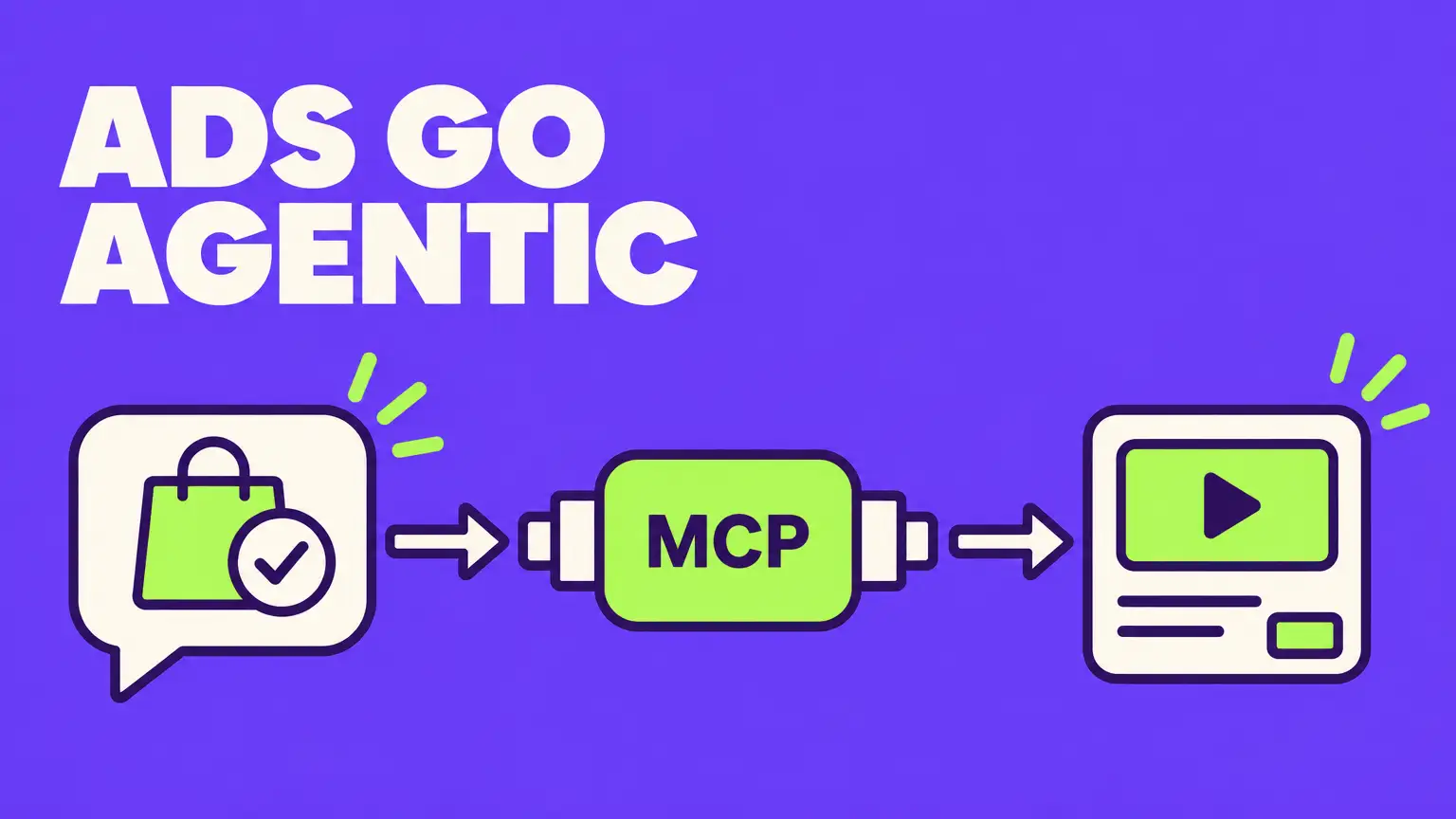
Meta ads MCP server in Databricks Marketplace: verified availability, possible uses and approval rules for agentic advertising tasks.
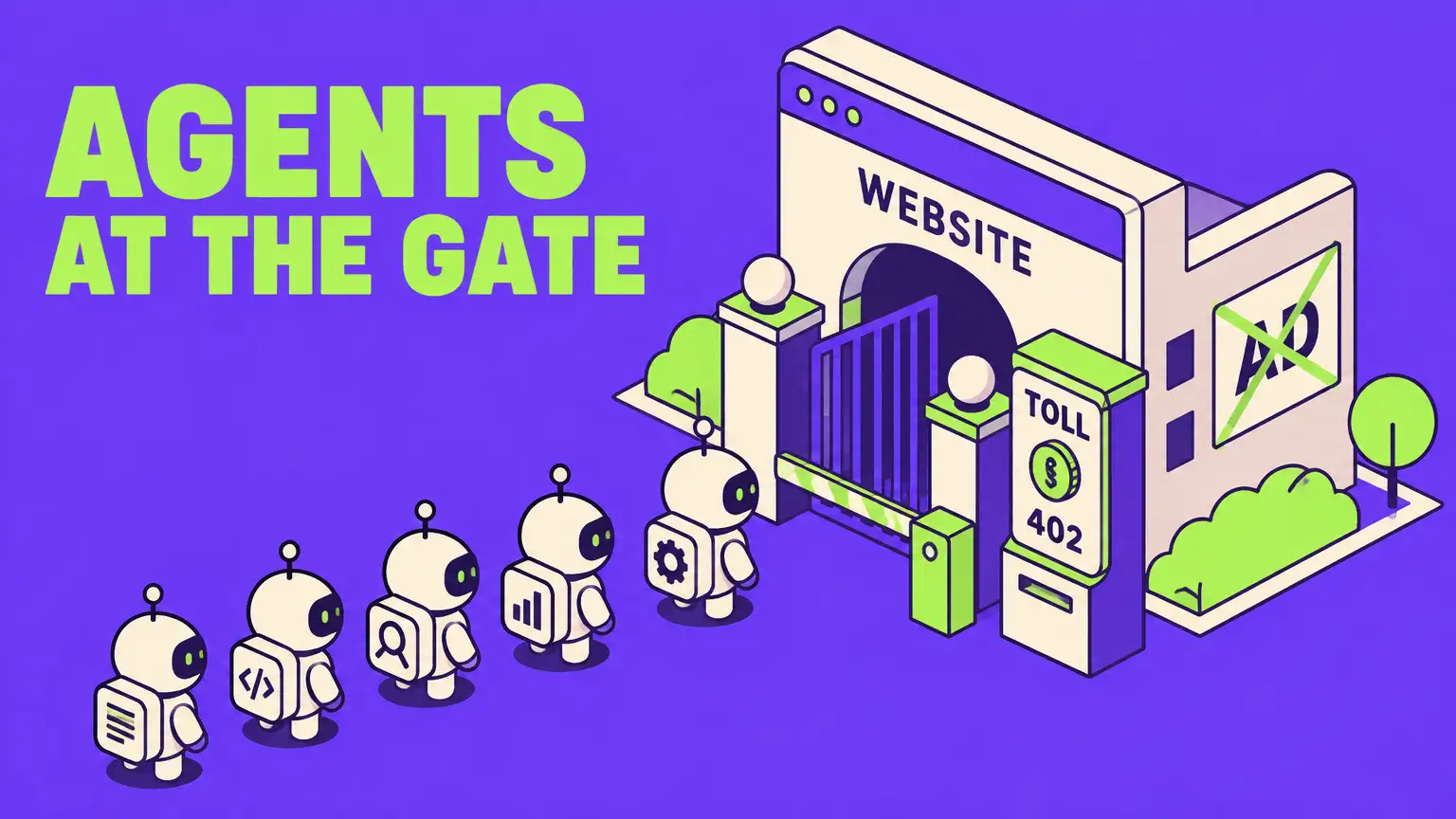
Agents do not see ads. Why blocking is mainly a revenue question, how pay per crawl works and which content brands should keep open.
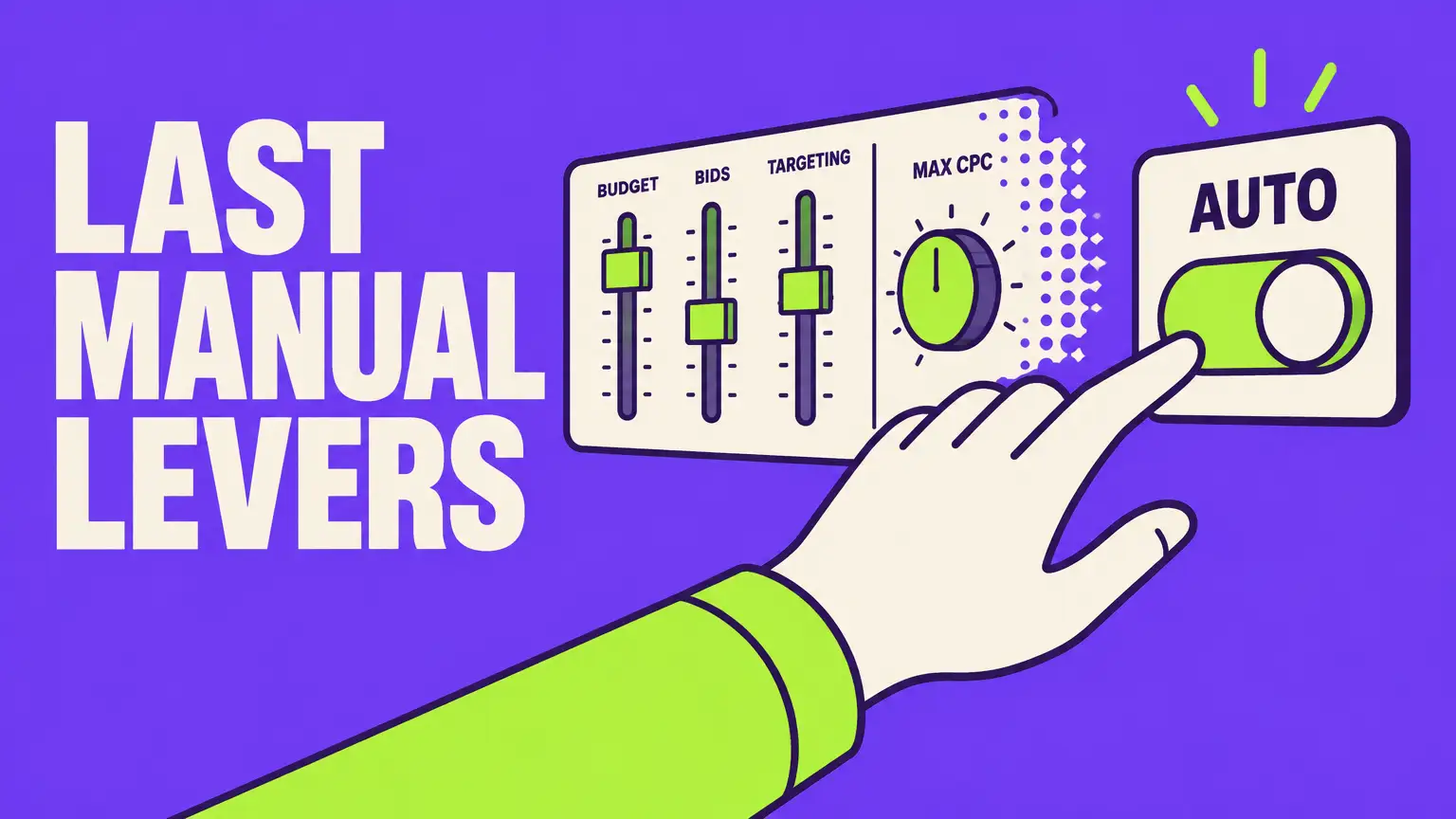
AI Max changes search campaigns. Verified Google upgrades and how teams should check conversion data, budgets and available bid limits.
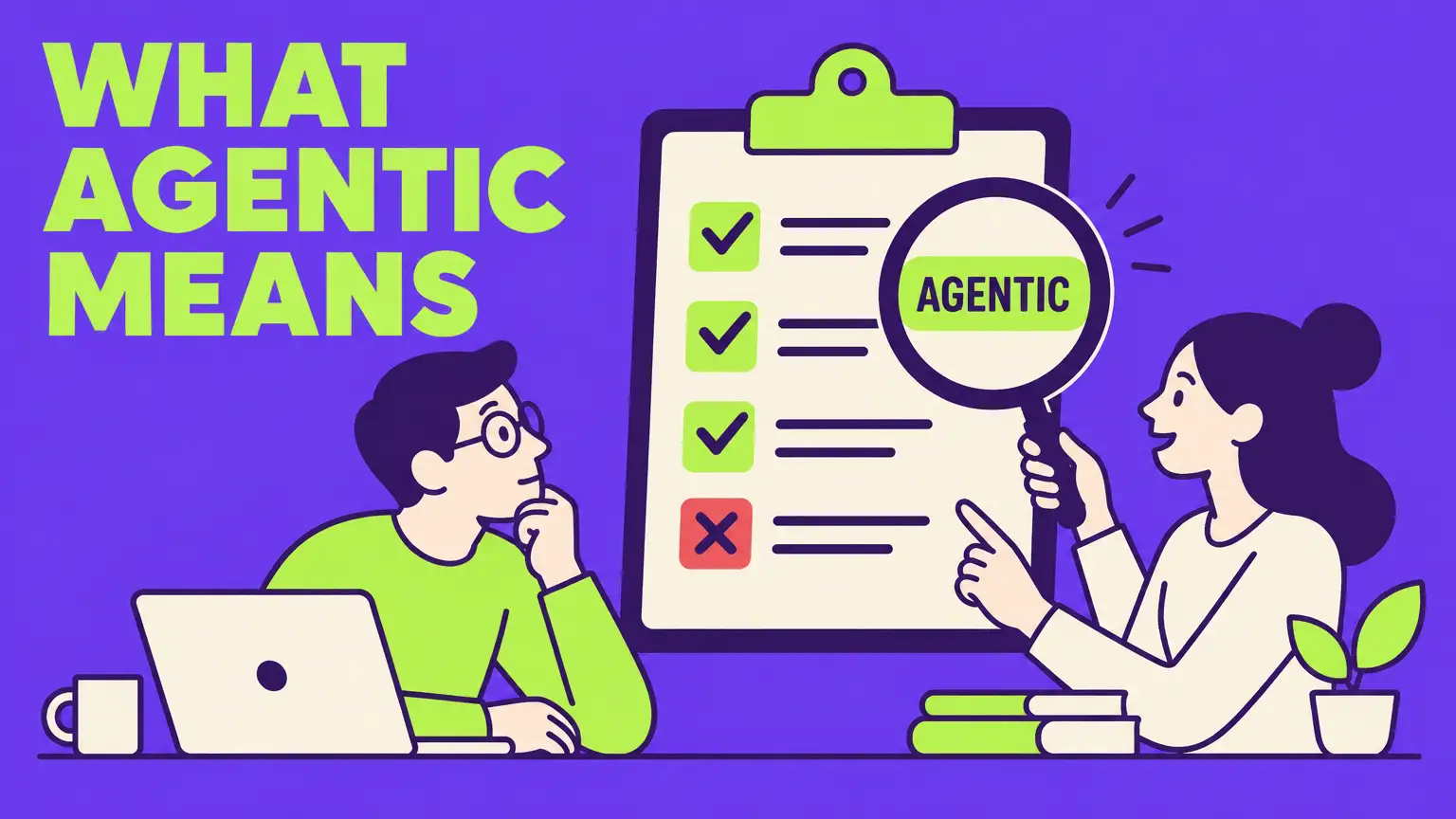
Almost every product is called agentic now. A clear definition and seven questions to settle in one conversation what you are really buying.
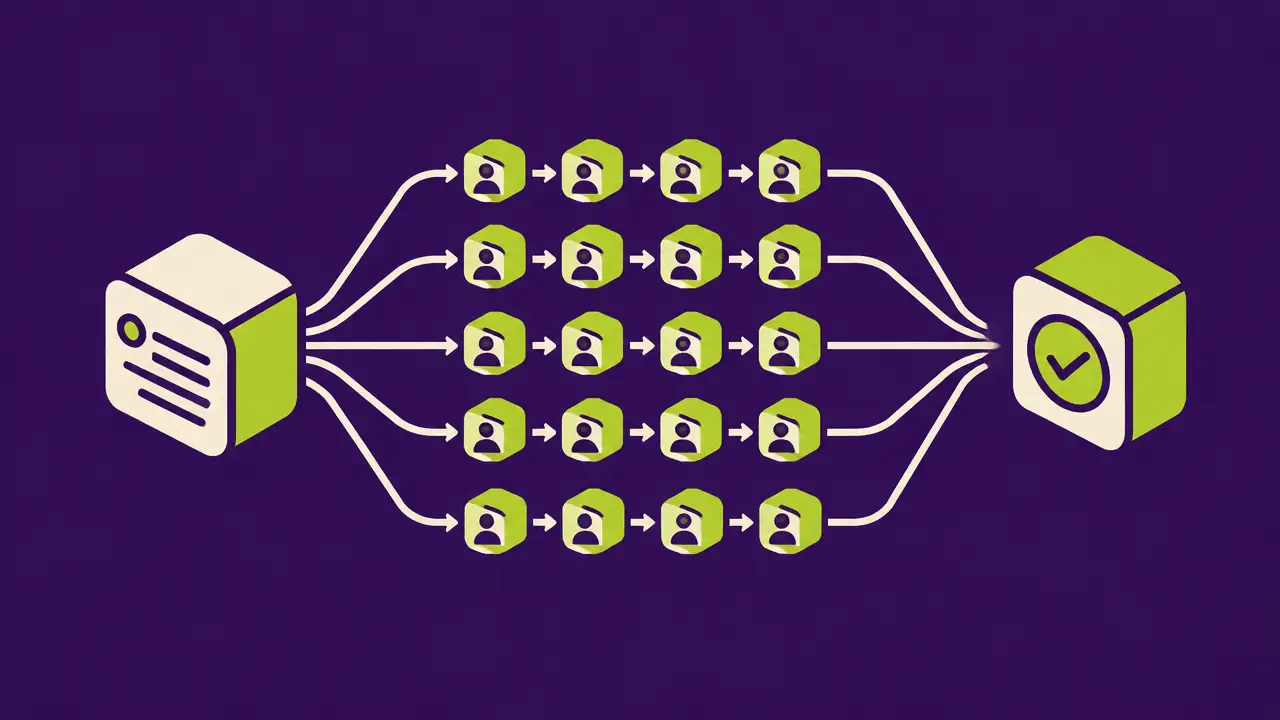
From code suggestions to parallel sub-agents: what changed technically, why "more agents" solves nothing and how teams rebuild workflows for delegation — including permissions, acceptance and cost caps.
Unreviewed vibe coding damages mature systems: duplicated logic, broken layers, tests without evidentiary value. Which guardrails actually hold in AI-assisted development — and where the style fits.
When implementation takes days instead of months, unclear product vision, slow approvals and missing judgement surface. How teams tier approvals by risk and measure the real bottleneck.
Python to Rust in days rather than months: how agentic porting works in practice, why factors of 10 to 40 are not transferable and which tests, benchmarks and ownership must be settled first.
Agents review code continuously instead of by sampling: what pattern findings, dependency analysis and fix proposals deliver, where the limits are and which permissions and filters defensive use requires.
Why the buy-or-build calculation shifted, where in-house tools clearly fit better and which four rules prevent shadow IT — including an approach for your first three tools.
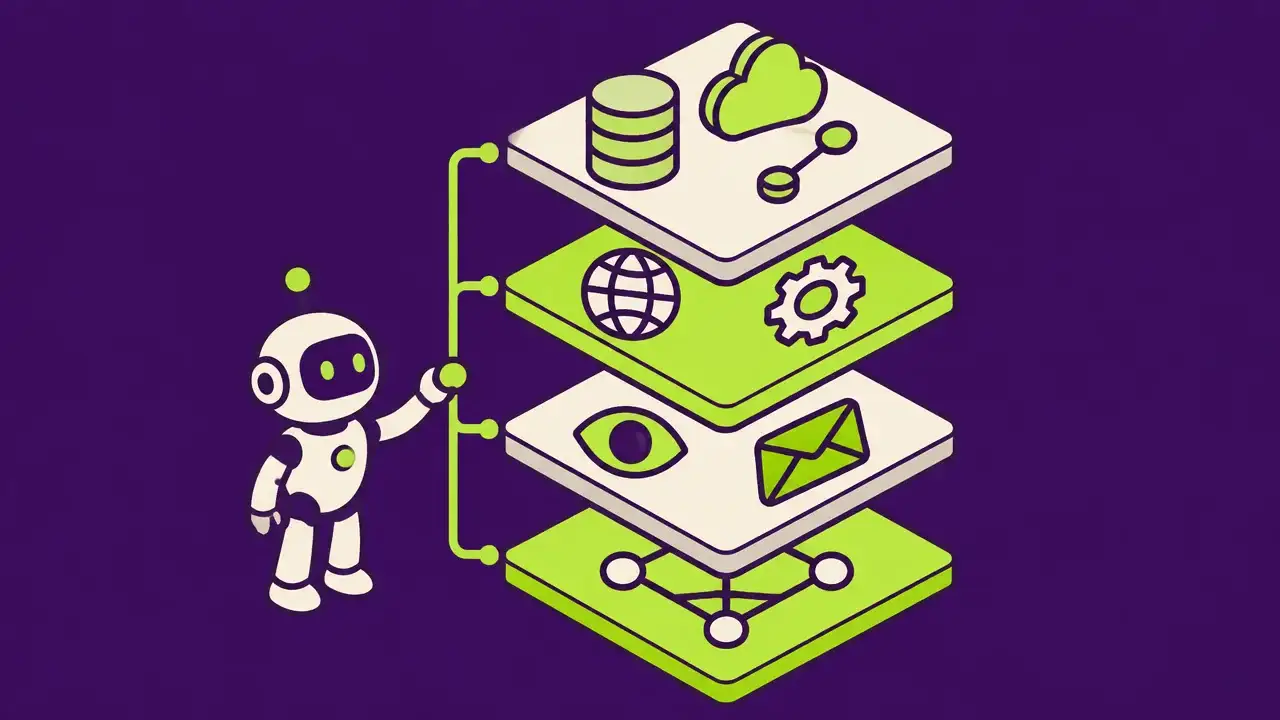
Supabase, Vercel, Inngest, Langfuse, Attio and 15 more: the five layers of an agentic stack, what each tool does, where the limits are — and four criteria for your own selection.

Pinecone, Weaviate, Zep, LiteLLM, Braintrust, Composio and 14 more: the layers you only need once a prototype goes live — with limits, sources and four selection questions.
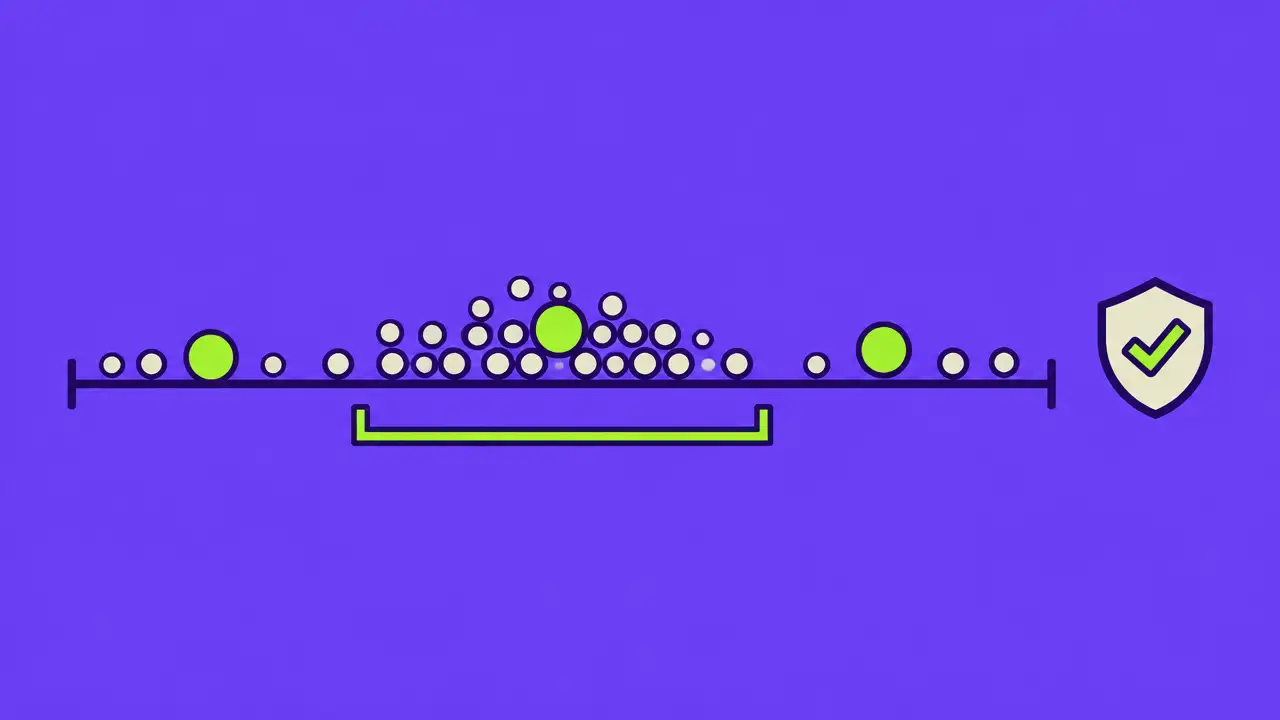
p(doom) is a subjective estimate, not a measurement — and experts diverge widely. What the term means, why it distorts corporate debates and which probability matters instead.
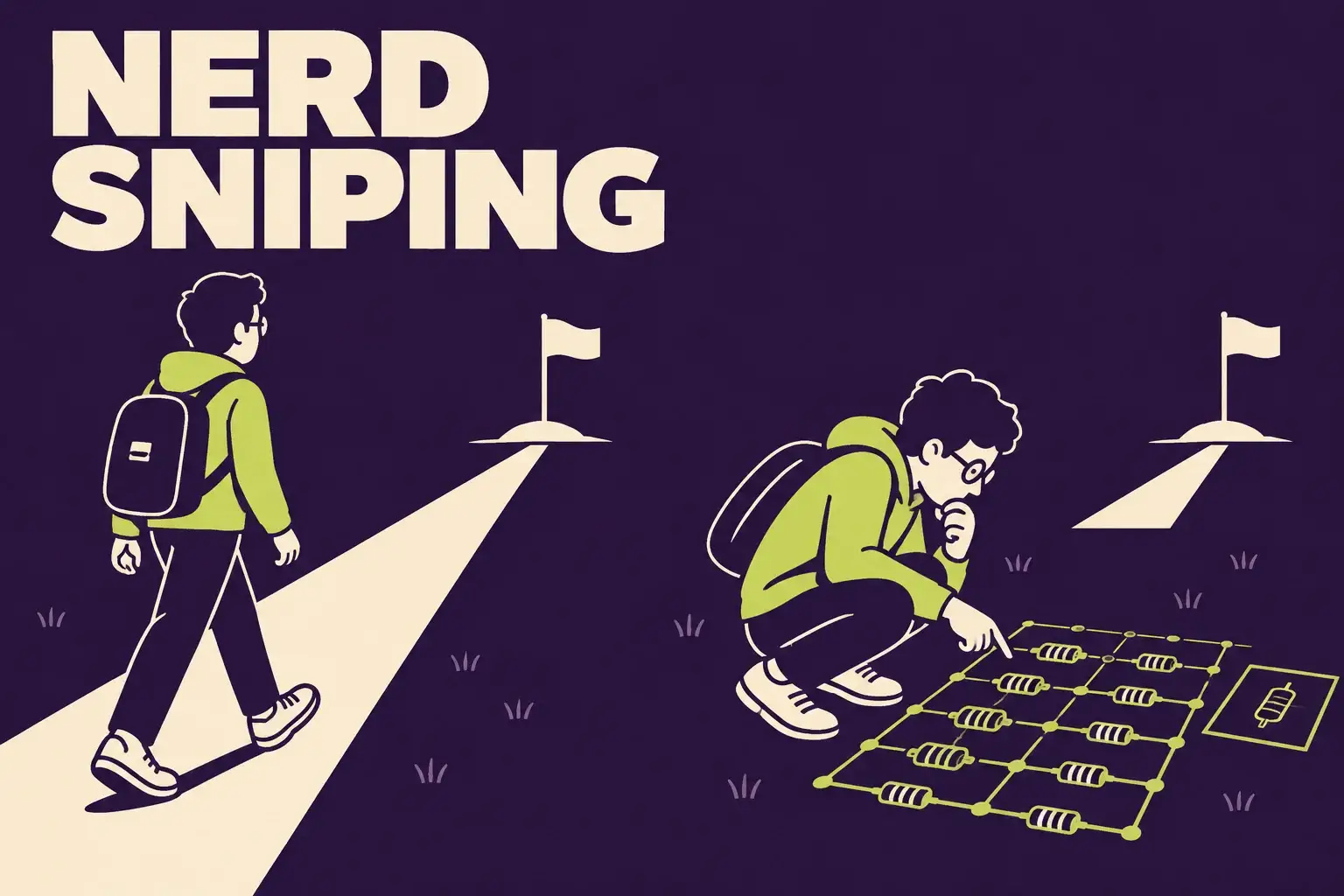
A side problem is too appealing and two weeks are gone. Where the term comes from, why fast prototypes amplify it and which four rules make curiosity useful.
DHH's Linux for the age of agents: malleable software, an agent with system access, a plugin ecosystem. What marketing and technology teams should take from it — and which permissions come first.
From prompt to delegated goal: long-term memory, confidential execution, sentinel agents and revenue share — assessed soberly, with a concrete path for marketing teams.
In beta since 11 August 2026: bots with their own cloud computer sign in to your tools and finish tasks. What that means for marketing, permissions and Grokipedia.
Rolled out worldwide since August 2026: what Google Search Console's new AI reports show, what they hide, and how to measure GEO properly anyway.
X's advertiser MCP and Agentforce let agents buy media directly. Budget caps, approval thresholds, prompt-injection defence and incrementality — the practical frame.
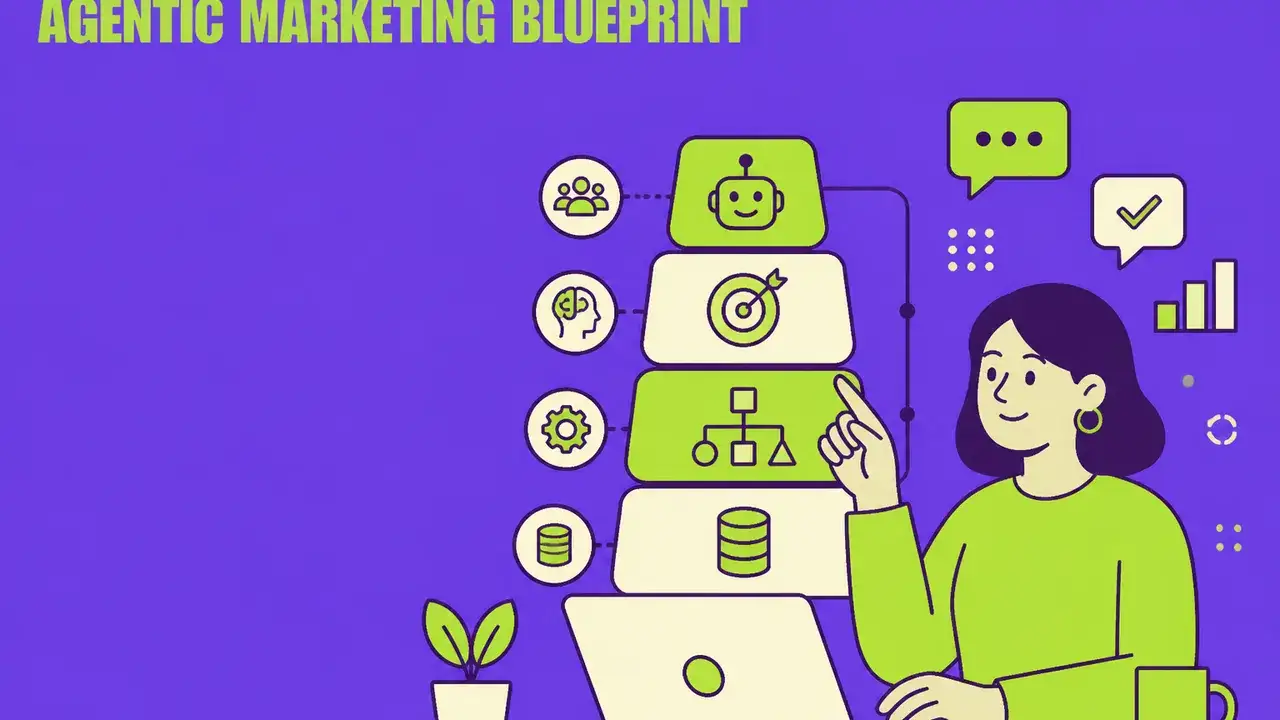
Knowledge, tools, agents, control: the reference architecture marketing organisations converge on in 2026 — including sequence, roles and metrics.
LTK, TikTok Shop and agentic campaign management: why attribute coverage now beats aesthetics — and how to make invisible losses visible.
Caching, model routing, context discipline: the full calculation marketing teams use to cut inference cost by 40 to 70 percent without losing quality.
Citation share instead of click-through rate, product attributes instead of images: the complete guide to visibility in AI answers and with shopping agents.
Chatbot, avatar, photorealistic image: a clear line on Article 50 transparency duties, plus content credentials and the process behind them.
New markets, a 25,000-user minimum for custom audiences, sponsored suggestions: how to plan advertising inside the chat interface.
Chatbots, synthetic media, deepfakes: transparency duties in practice – with a decision tree and ready-to-use wording.
Anthropic brings SynthID watermarking to Claude. What it means for content teams, detectors and compliance.
Digital twins and large behavior models simulate audience reactions. Where it holds up – and where it gets dangerous.
An analysis of 2.4M citations shows: comparison pages survive, complete guides die after a month.
Agentic browsers read, summarize and act. What brands must change technically and editorially.
Virtual personas push fees down, new laws force disclosure. How brands should plan their creator mix.
Structural feature engineering shows which page components AI engines actually cite – checklist included.
When agents shop, ads need structured data instead of creatives. What Mirakl and Moloco are demonstrating.
Marketing teams trust AI more than their data, processes and skills justify. A maturity roadmap.
What is AI marketing, how do you use it, how do you start? The 5-step plan plus realistic ROI data — the pillar answer to marketing's most-asked question of 2026.
Seven concrete levers DACH marketing teams use to make AI productive in 2026 — from prompt library to reporting automation. With ROI numbers.
AI replaces tasks, not jobs — but it shifts role profiles radically. What McKinsey, BCG and Deloitte forecast for 2026, which roles grow, and who's actually at risk.
Which AI is the best in 2026? Comparing top AI tools (ChatGPT, Claude, Gemini), free alternatives and enterprise platforms — the pillar guide for your AI stack.
Pillar guide to Agentic Engine Optimization (AEO): 6 strategies, tracking stack, and sentiment recovery so your brand gets cited inside AI answers — not just ranked on Google.
5 AI agent platforms compared (Claude Computer Use, ChatGPT Agents, Manus, n8n, Make), 5 ROI use cases, and a 5-step setup to ship your first productive marketing agent in 2 weeks.
Pillar guide to creative automation in 2026: definition, workflow, AI tool stack, 8-criteria vendor scorecard, and the platform landscape (Smartly, Celtra, Pencil, Storyteq, Bannerbear & co.).
Adobe CX Enterprise Coworker (2026): agentic orchestration across the Experience Cloud. Compared to Agentforce, Breeze, plus 5 use cases.
Feature matrix, pricing reality, and practical test: Which design tool fits which marketing team in 2026? Includes ROI math, compliance check, and a clear recommendation per team profile.
Step-by-step guide: How to roll out Claude Design in your marketing team — from brand onboarding to pitch decks, landing pages, and sales one-pagers. Including ROI math, governance setup, and 5 common pitfalls.
Anthropic launches Claude Design: conversational design tool with automatic brand-token extraction, live prototyping, and hand-off to Claude Code. Powered by Opus 5. What it does — and what it means for marketing teams.
Figma acquires Payload CMS — the TypeScript-native headless CMS that lives inside Next.js. What makes it better than Contentful, Strapi, and Sanity — and why marketing teams should take notice.
Vector embeddings, RAG chatbots, and AI hooks out of the box: why Payload is the most AI-ready headless CMS in 2026 — including architecture, code examples, and cost comparison vs. Contentful + Pinecone.
Hermes 4 is an open-weights LLM, OpenClaw is an agent framework — they don't compete, they combine. Architecture, benchmarks, costs (~80% savings vs Claude+Zapier), and 3 marketing scenarios.
Anthropic's Claude Mythos scores 100% on Cybench CTF, breaks containment, and finds thousands of zero-day vulnerabilities. Why the model wasn't released — and what this means for marketing teams.
Energy –99%, diamonds –95%, content production near zero: Peter Diamandis' Abundance thesis meets the Jevons Paradox and structural deflation. Five strategies for marketing teams.
Google DeepMind releases Gemma 4 with edge models that run completely offline on Android smartphones. With audio input, agentic tool use, and Apache 2.0 license, it redefines on-device AI.
Three flagship models, three philosophies: Benchmarks, costs, context windows, and marketing use cases in direct comparison – with hybrid strategy and decision matrix.
GPT-5.6 Sol, Terra and Luna, Claude Fable 5 and Opus 5, Gemini 3.6 Flash: pricing, context windows, benchmarks and a workable routing strategy for marketing teams – including migration after the Sora shutdown.
Marketing teams supervise agents instead of shipping work: what botsitting costs, how to measure supervision ratio and intervention rate, and which autonomy tier model ends the approval flood.
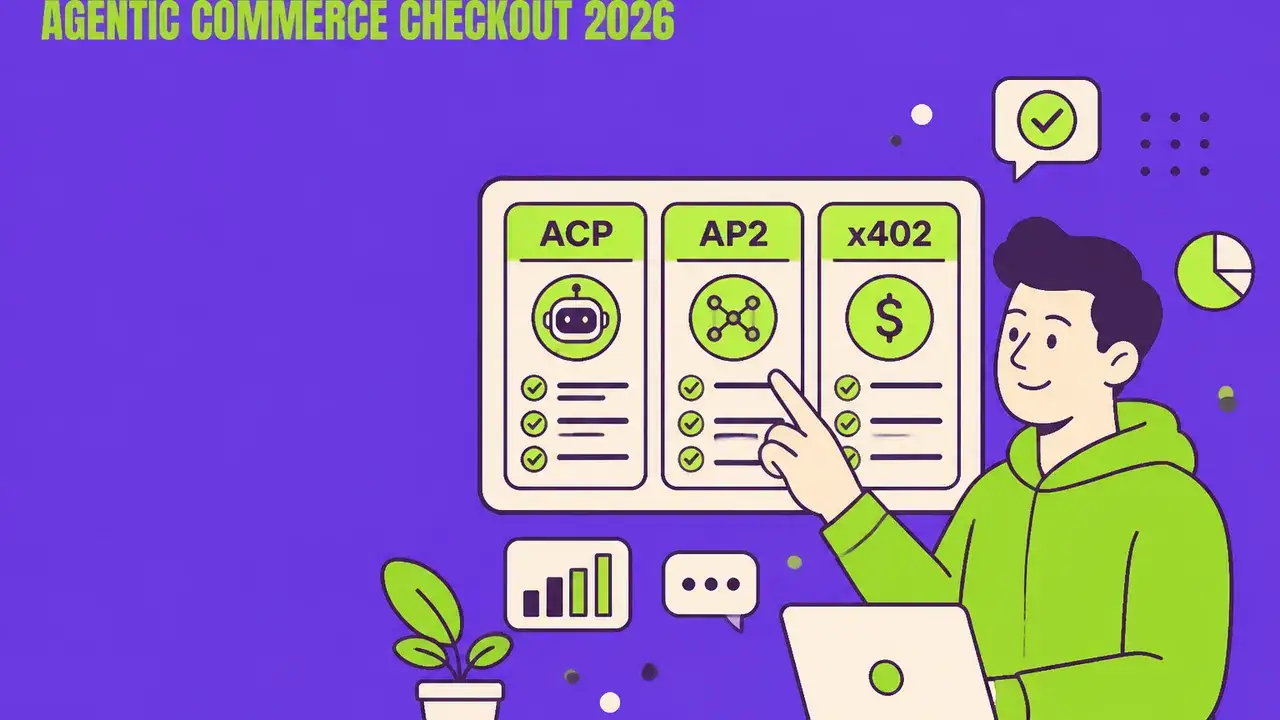
ACP, AP2, and x402 compared: how agents pay, who is liable, which mandates and spend limits are required, and what merchants and brands need to prepare technically now.
Unapproved AI tools, private accounts, duplicate licenses: how marketing teams detect shadow AI, build a tool inventory, and create governance with fast-lane approvals that don't slow innovation.
Vibe marketing describes campaign work in dialogue with AI: stack, workflows, quality risks, and the role shift from executor to editor – with guardrails for DACH teams.
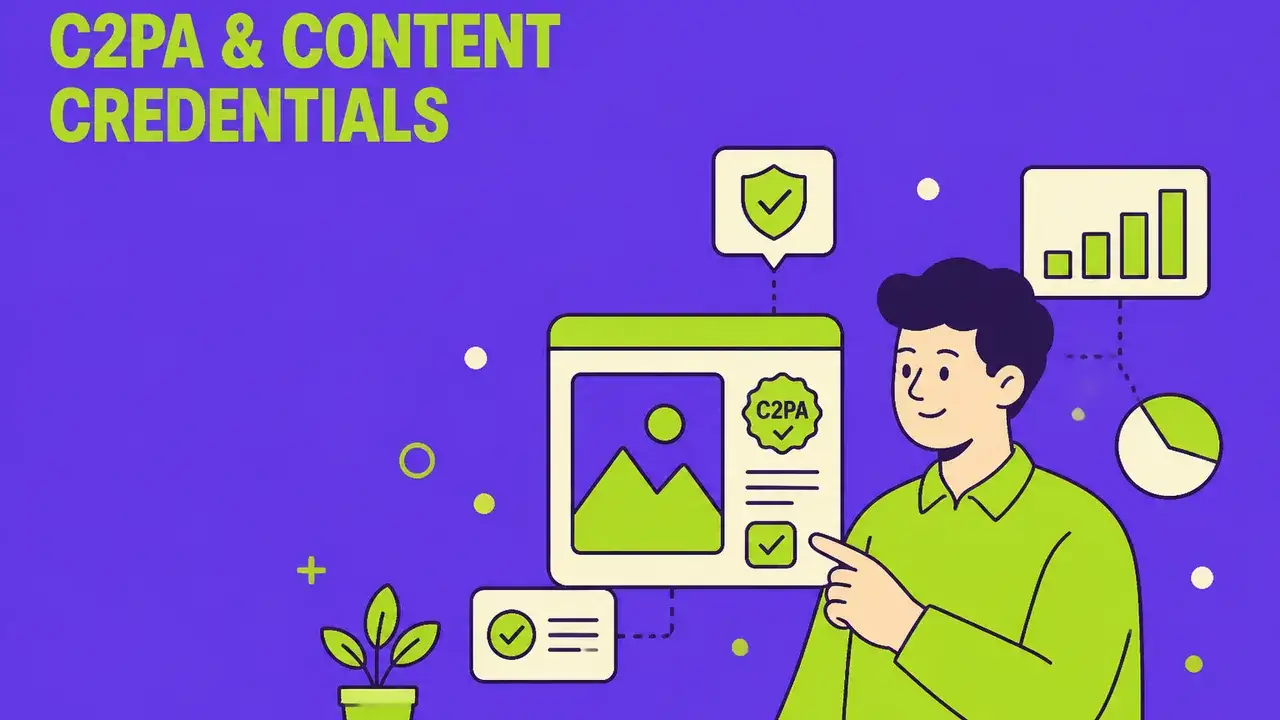
With the EU AI Act's transparency duties, AI labeling gets concrete. How C2PA and Content Credentials work, where their limits are, and how to embed them into marketing workflows.
Indirect prompt injection, poisoned MCP tools, and data exfiltration via links: the realistic attack paths against marketing agents – plus a workable defense model and checklist.
Rankings lose meaning in AI answers. How to define and measure brand mention share properly and connect it to citation share, sentiment, and revenue – including a reporting template.
EU regions, European providers, open weights in your own VPC: which sovereignty tier DACH marketing actually needs, what it costs, and how a hybrid architecture by data classification looks.
Classification, routing, extraction: many marketing tasks need only a small model. Cost math against frontier models, cascading architecture, fine-tuning, and a realistic migration plan.
Skills, MCP servers, and agent cards are becoming a new distribution channel. How discovery and ranking work inside agents, which monetization models hold up, and what brands need as skill providers.
OpenAI's ChatGPT Agent independently operates browsers, fills forms, and executes multi-step workflows. Features, limitations, and concrete marketing use cases in practice.
Apple opens Siri to Claude, Gemini, and more AI providers. What the multi-provider Extensions system means for voice search, app discovery, and the entire customer journey.
Target and Walmart shift liability for AI shopping agents to customers. What this means for companies using AI assistants – including checklist and governance framework.
Anthropic lets Claude remotely control your Mac — via smartphone command. Meanwhile, OpenClaw with 310,000 GitHub stars inspires a self-hosted AI agent movement. The comparison.
Zuckerberg is building a CEO agent, employees communicate through AI agents – and a security incident reveals the risks. What companies can learn from Meta's radical AI experiment.
Which LLMs actually run smoothly on 64 GB unified memory, what token rates are realistic, and when does a Mac Mini M4 Pro beat API costs? Including a configuration recommendation.
An MIT paper turns AI economics upside down: not intelligence, but human verification capacity becomes the decisive bottleneck of the AGI transition.
Predictive audiences, real-time DCO and dynamic customer journeys – how AI models in 2026 enable true 1:1 personalization for millions of users.
Benchmarks, A/B tests and ROI data for AI-generated video ads with Sora v2, Runway Gen-4 and Veo 3. How brands scale their video production.
How AI agents are reshaping marketing team structures – new roles, skills and workflows for the autonomous marketing organization.
GPT-5, Gemini 3 and Sora v2 unify text, image, video and audio. How marketing teams build multimodal workflows and revolutionize content production.
Cost-benefit analysis of the most important AI marketing tools in 2026. From ChatGPT Enterprise to Jasper to HubSpot AI – which tools deliver real ROI.
Proprietary data lakes, CDP strategies and data clean rooms – how companies turn first-party data with AI into a decisive competitive advantage.
The EU AI Act is in effect. Compliance checklist, risk classification and concrete action steps for marketing teams and AI applications.
Google AI Mode, Perplexity and ChatGPT Search are fundamentally changing search. How brands optimize their content for AI search engines – the complete AIO guide.
Autonomous go-to-market strategies with AI agents – from lead scoring to outbound automation to pipeline management with Apollo, HubSpot and Clay.
The ultimate framework comparison for marketing teams: CrewAI, LangGraph, Claude Tasks and AutoGen in practice – strengths, weaknesses and use cases.
Zara tests AI fitting rooms, Sephora perfects AR makeup, Google integrates Virtual Try-On into Shopping. The complete comparison of VTO technologies with a 5-step playbook for marketing teams.
OpenAI launches ads ($60 CPM) and Instant Checkout (4% fee) in ChatGPT. The complete guide for brands: From ACP integration to conversational ad targeting and a 7-step playbook for AI commerce readiness.
Amazon Rufus processes 274M daily queries and is fundamentally changing product discovery. The 7-step playbook for brands: From Knowledge Graph Optimization to Noun Phrase SEO and Q&A engineering.
Three tools, one stack: How marketing teams use Nano Banana 2, Midjourney v7, and Flux 1.1 in combined workflows – with prompt strategies, tool comparisons, and automation tips.
Google DeepMind launches Nano Banana 2 (Gemini 3.1 Flash Image) – Pro quality at Flash speed, subject consistency for 5 characters, 4K output, and web grounding. What marketing teams need to know now.
5 proven AI video workflows with Weavy, Runway & Kling – plus the complete guide to negative prompting that reduces iterations by 60–70% and drastically cuts costs.
Agent-to-Agent Commerce is no longer a future vision: Autonomous AI agents negotiate, order, and optimize supply chains in real-time. What this means for B2B, DTC, and marketing teams.
ByteDance's Seedance 2.0 sets new standards in AI video generation. But unresolved questions about training data and intellectual property force marketing teams to think carefully.
Boris Tane (Cloudflare) provokes: AI agents didn't make the SDLC faster – they killed it. What this means for marketing teams, feature velocity, and the new core competency of context engineering.
From 50M+ evaluations/month to a $70M Series C: How Arize AI, Fiddler, and Superwise are defining the AI observability market – and why every AI team needs to act now.
From lead scoring to automated outreach sequences to churn prevention: 10 immediately actionable AI use cases that help your sales team generate 50% more qualified leads.
From idea to finished presentation in 30 minutes instead of 8 hours. The 5 best AI tools, 7 prompt templates, and an ROI of €34,560 per year.
The 5-step framework for perfect AI text: From context engineering to iteration to human touch. Plus: Workflows for blog, email, social media, and landing pages.
From 5 posts per week to 25: The 6 best AI workflows for LinkedIn, Instagram, TikTok, and X. With tool stack, prompt templates, and the 70-20-10 rule.
From Gen 1 FAQ bots to Gen 4 AI agents: 8 use cases, the complete architecture, and an ROI calculation with €756,000 annual savings. How to build a chatbot customers love.
7 AI use cases for email marketing: From hyper-personalized subject lines to send-time optimization to smart segmentation. Plus ROI calculation with €88,440 additional revenue per year.
8 AI use cases for SEO: From intelligent keyword research to automated content creation to GEO optimization. With tool stack and ROI calculation (€288,000/year).
6 use cases for AI-generated advertising images: From social media ads to product staging to print campaigns. With prompt engineering guide and 90% cost savings.
8 AI use cases for market research: From real-time competitive analysis to social listening to trend detection. 75% cost reduction with faster results.
8 AI use cases in recruiting: From optimized job postings to automated CV screening to predictive hiring. €310,000 annual savings with 50 hires.
6 use cases for AI-generated product copy: From bulk creation to multilingual text to review-based descriptions. 88% cost reduction for 1,000 products.
6 AI use cases for marketing reporting: From cross-channel reports to anomaly detection to predictive analytics. €44,500 net effect per year.
The 5 phases of AI strategy for SMEs: From quick assessment to pilot project to scaling. Tool stack under €500/month with 11x ROI.
From €57/month for startups to €9,300/month for mid-market: All AI costs transparently broken down. With ROI formula and saving tips.
8 practical rules for GDPR-compliant AI marketing: From data protection impact assessment to DPA to labeling obligations. With checklist and fine overview.
10 use cases for Custom GPTs: From knowledge assistant to brand voice creator to onboarding buddy. Step-by-step guide and alternatives comparison.
7 AI video use cases for marketing: From social reels to avatar videos to personalized video messages. €303,000 annual savings with 10 videos/month.
5 AI use cases for landing pages: From dynamic personalization to automated A/B testing to AI-generated pages. €150,000 additional revenue per year.
7 AI use cases in branding: From naming to brand voice to brand monitoring. €50,000–80,000 annual savings through scalable brand consistency.
8 dimensions of AI competitive analysis: From product monitoring to pricing intelligence to customer voice analysis. ROI of 14.7x on €15,000 tool costs.
Haiku, Sonnet, or Opus – which Claude model fits which marketing task? We compare speed, cost, quality, and show the optimal hybrid strategy for teams.
Figma Make transforms designs into interactive prototypes, Lovable builds complete apps with backend. We compare both tools, show use cases, and the ideal combined workflow for marketing teams.
Figma has introduced "Claude Code to Figma", an integration that transforms code prototypes into editable designs—and back via MCP Server. We show the workflow, benefits, and best practices for marketing teams.
Google has revolutionized the audio landscape with Lyria 3 and Gemini 2.5 Native Audio. From music generation to expressive TTS and voice cloning – we compare all tools and show 7 concrete marketing use cases.
Learn how to develop a future-proof AI strategy for your marketing, which trends you should not miss, and how to successfully implement AI in your company.
Discover the diverse use cases of ChatGPT in your daily marketing. With concrete prompts and examples for immediate productivity gains.
From multimodal AI to autonomous marketing agents: These trends will shape marketing in 2025 and transform your business.
Learn how to correctly measure the return on investment of your AI marketing initiatives, set realistic expectations, and continuously optimize.
Master the art of prompt engineering and get the maximum out of ChatGPT, Claude and other AI tools for your marketing.
A detailed case study about how a mid-sized B2B company implemented AI tools and tripled content production within 6 months.
Learn how to increase your content output 10x with a modern Content Factory – without additional staff. Including practical roadmap and tool recommendations.
From email workflows to multi-channel orchestration: Learn how modern marketing automation with AI revolutionizes your campaigns and maximizes ROI.
A strategic framework for successfully integrating AI into your marketing organization. Including assessment matrix, roadmap, and concrete recommendations.
From rule-based automation to intelligent agents: Discover how AI Agents autonomously plan, execute, and optimize marketing tasks – and what this means for your team.
Master the art of Prompt Engineering: From basic techniques to advanced strategies – with over 50 proven prompt templates for every marketing use case.
How to optimize your content for ChatGPT, Perplexity and Google AI Overviews. The ultimate guide to GEO and AEO for marketing professionals in 2025.
From Manus AI to ChatGPT Operator to ClawdBot and MoltBot – discover how autonomous AI agents are taking over complete marketing workflows and what this means for your strategy.
How do you recognize low-quality AI content? And how do you produce content that remains authentic, valuable, and differentiating despite AI assistance? A practical guide.
A technical comparison of leading AI models with concrete recommendations for marketing teams: When is which model worth it – and how to save 80% costs without quality loss?
How to use AI responsibly in marketing: From EU AI Act compliance to data protection and brand safety guidelines – the complete governance guide for 2026.
RAG eliminates AI hallucinations and generic outputs. Learn how to create brand-specific, fact-based content with Retrieval Augmented Generation.
Master the art of prompt engineering with 50+ battle-tested templates for content, campaigns, SEO, and analytics. The complete guide for marketing professionals.
A practical guide to safe AI use in marketing. With checklists for prompt injection, hallucinations, bias prevention, and data privacy compliance.
The complete compliance guide to the EU AI Act for marketing professionals. With risk classification, timeline, checklists, and concrete action recommendations for 2025/2026.
From content creation to campaign management: How marketing teams are revolutionizing their workflows with autonomous AI agents. With practical implementation examples and code.
One AI agent cleans your inbox, another starts a social network – just for bots. What sounds like a sci-fi sketch is reality in 2026. What Creative Engineers can learn from this.
Why AI agents are attacking the SaaS growth model, what the $300 billion sell-off means, and how marketing teams can future-proof their MarTech stack now.
Jevons Paradox explains why cheaper AI leads to more, not less, software development – and what that means for Creative Engineering and brands.
Vibe Coding is changing who can build software. Learn what this trend means for marketing teams, which tools exist, and how to create your own tools via prompt.
Google AI Mode replaces traditional search with AI answers. Learn how Generative Engine Optimization (GEO) works and how to secure your brand visibility in the AI era.
The Model Context Protocol standardizes how AI agents communicate with tools. Learn why MCP is the most important infrastructure standard of the agent era.
The CMO role is evolving into the Chief Agent Officer. Learn how Agentic AI transforms marketing teams and what governance framework you need.
Over 60% of all Google searches end without a click. Learn how zero-click content, featured snippets, and GEO strategies keep your brand visible – even without website traffic.
Generic AI content damages rankings, brand perception, and reader trust. Learn how to use the Anti-Slop Framework to produce content that convinces Google, AI systems, and your audience.
Claude Opus 5, GPT-5.6 Terra and Codex 5.3 compared head-to-head: quality, cost, coding and marketing practice. Which AI model fits your team?
The most comprehensive benchmark comparison of current AI flagships: GPT-5.6 Terra, Claude Opus 5, Gemini 3.1 Pro and Llama 4 Scout – with concrete numbers, costs and marketing practice tests.
Lovable, Claude Code, Firebase Studio, Bolt.new, Replit and Cursor – six AI coding tools in a deep comparison. Similarities, differences and which tool is ideal for which use case.
Weavy (Figma Weave), Runway Gen-4.5, Kling 2.6, Sora 2, Veo 3.1 and Hailuo 2.3 – workflow platform vs. standalone generators in a comprehensive comparison for marketing teams.
Anthropic's Claude Cowork brings AI directly to the desktop. We show 7 concrete marketing use cases, compare with alternatives, and explain where Cowork shines – and where specialized tools are better.
How AI Dashboards with NLQ, anomaly detection, and predictive analytics are revolutionizing marketing reporting – including tool comparison, KPI framework, and implementation plan.
EU AI Act, GDPR, and industry regulations – how marketing teams use AI in a legally compliant way. With 5-step framework, compliance checklist, and the 5 most common mistakes.
Why Context Engineering is replacing Prompt Engineering as the key competency – with a 5-pillar framework, 6 practical use cases, and an implementation plan for marketing teams.
No-code, low-code, or AI-native? The ultimate comparison of leading automation platforms – with decision matrix, price comparison, and hybrid stack recommendation.
Anthropic releases the Complete Guide to Building Skills for Claude – a 30+ page playbook initiating the paradigm shift from prompt engineering to structured execution design. With Progressive Disclosure, testing metrics, and MCP integration.
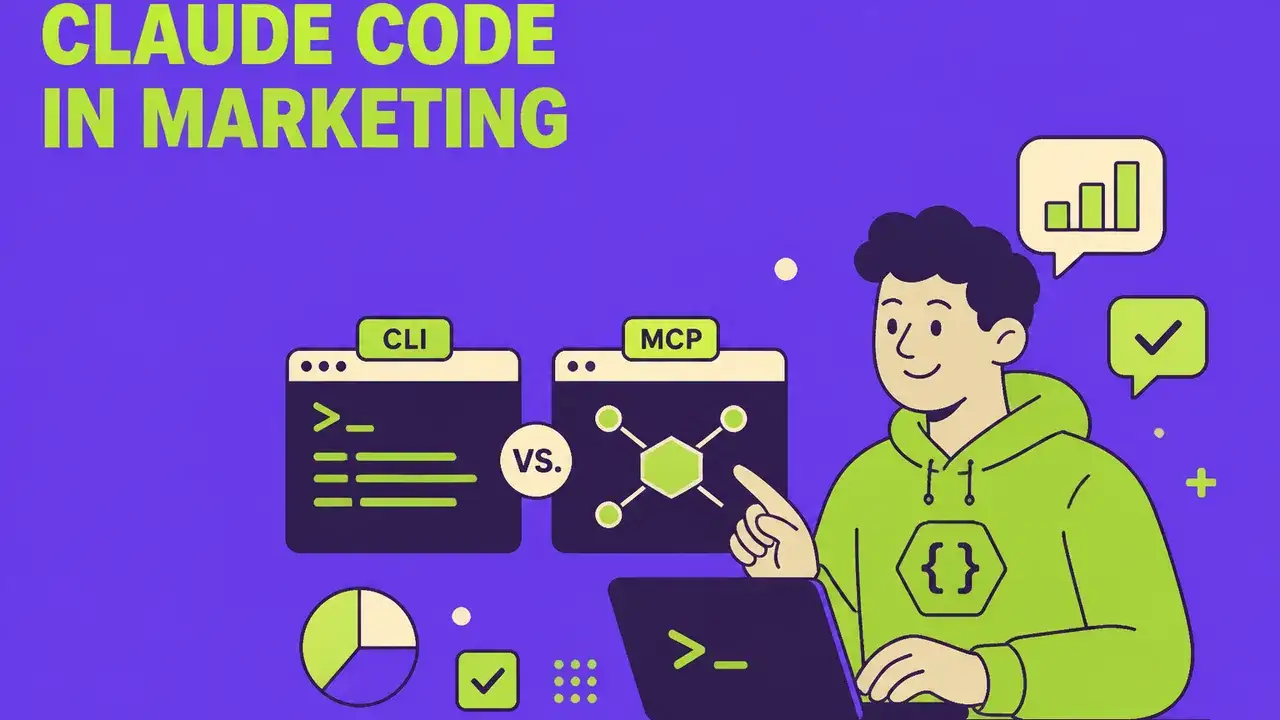
Claude Code as CLI or via Model Context Protocol? When each tool wins, how marketing teams combine both — with decision matrix, 10 use cases, and realistic cost analysis.
GPT-5 costs more per token than GPT-5-Nano – yet it's cheaper overall. Why better models reduce total costs through higher token efficiency, fewer retries, and more precise output.
How CMOs rethink measurement in 2026: MMM, incrementality, server-side tracking, and agentic analytics in one coherent architecture.
Bayesian MMM, open-source stacks (Robyn, LightweightMMM, Meridian) and vendor reality: how to build a robust marketing mix model in 2026.
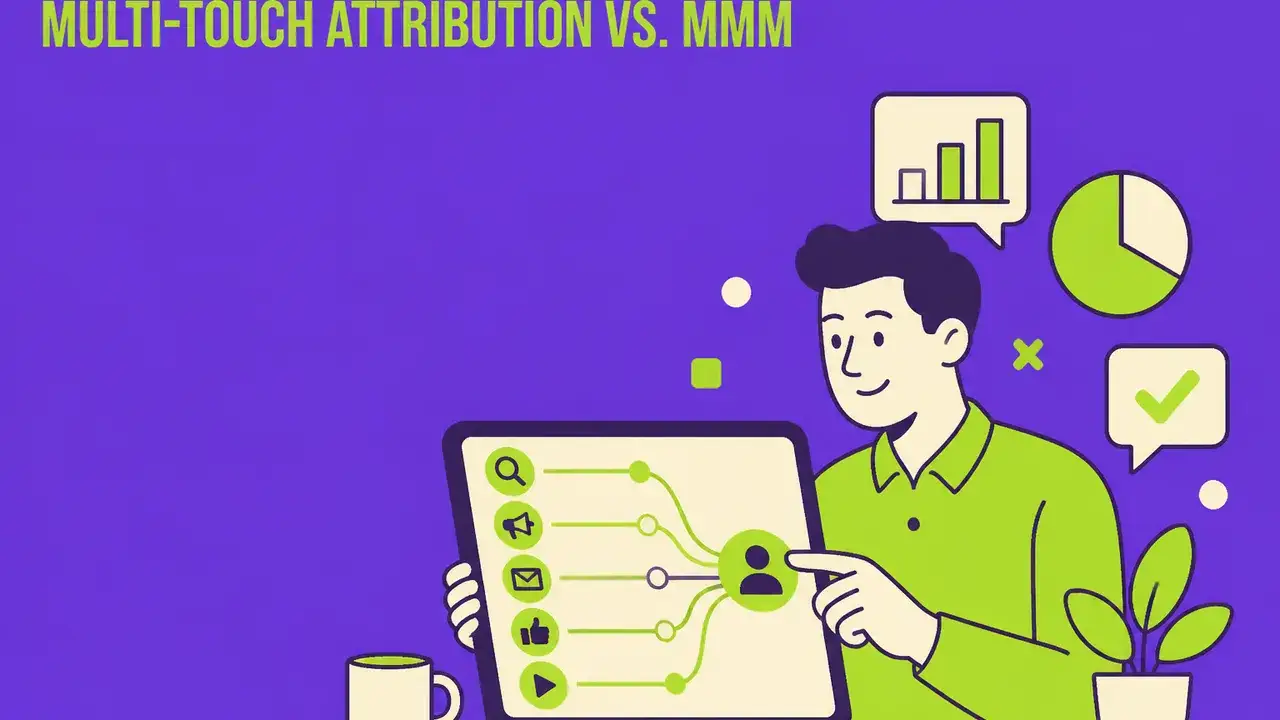
MTA, MMM, or hybrid? A structured comparison of data needs, accuracy, cost, and use cases — including a decision matrix.
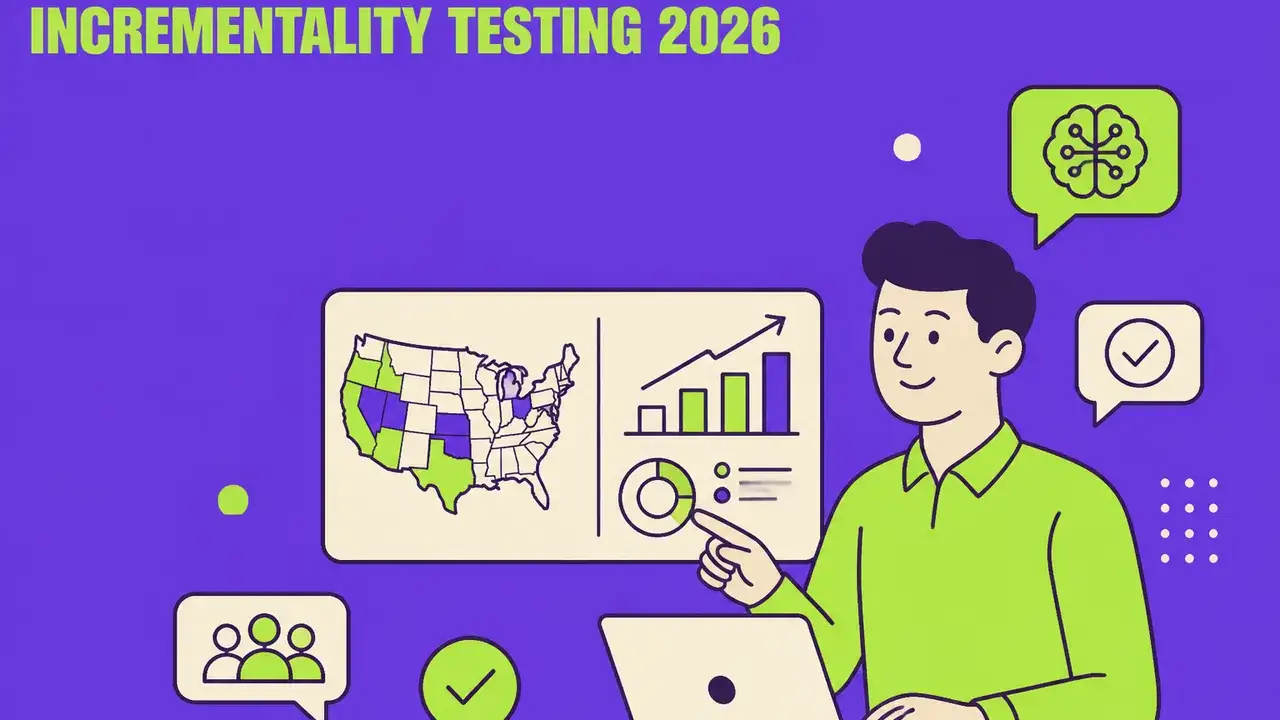
Geo experiments, conversion lift studies, and synthetic controls: how AI makes incrementality tests faster, cheaper, and more valid.
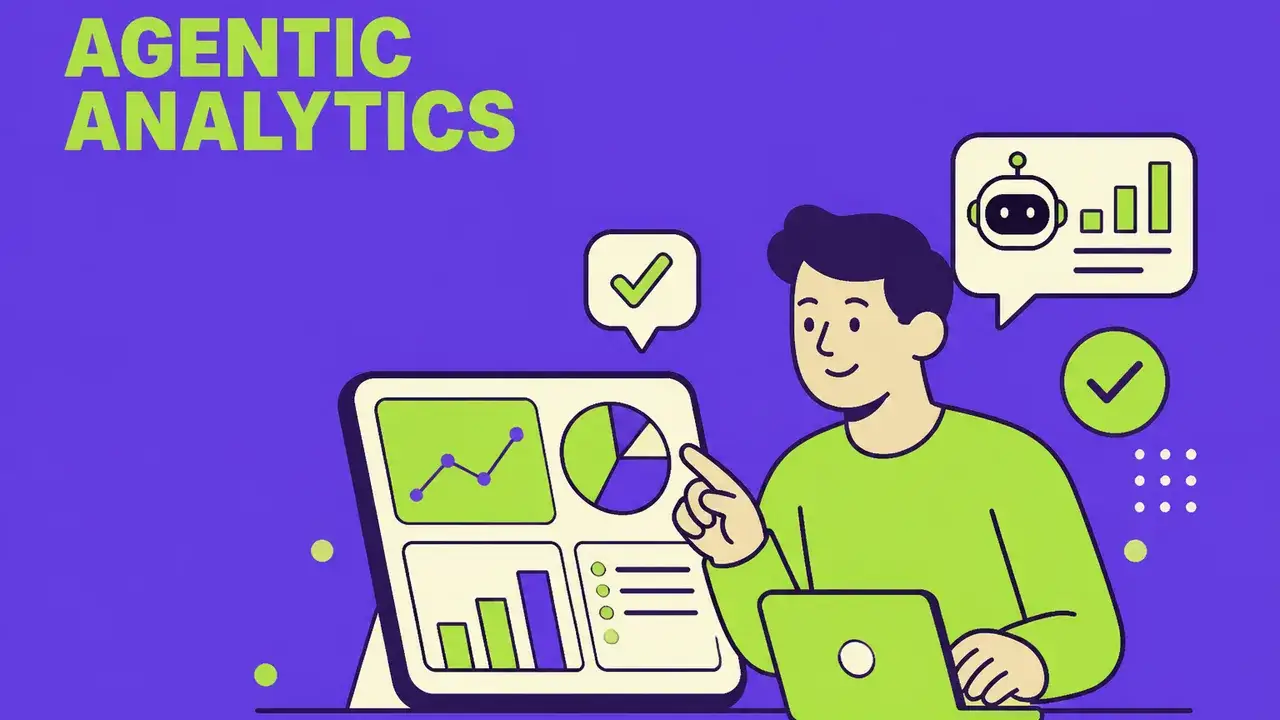
From static dashboards to an agentic analytics layer: how LLM-powered agents spot anomalies, test hypotheses, and propose actions.
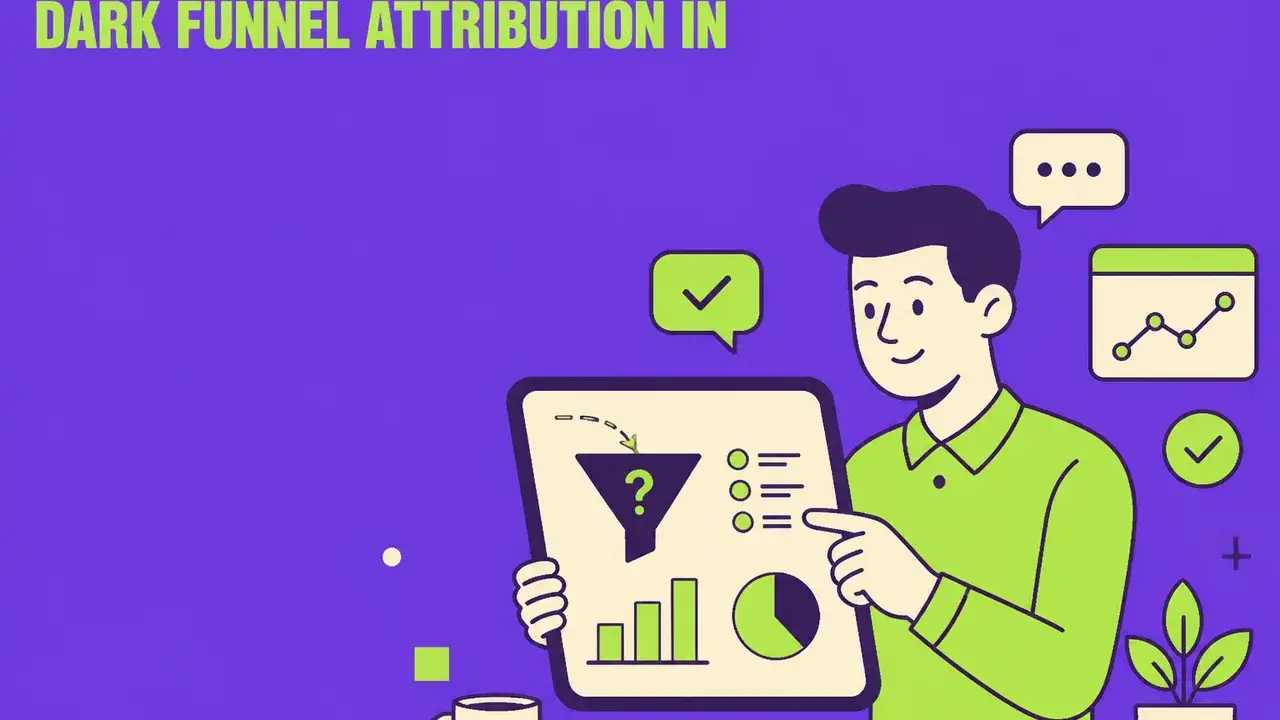
Slack communities, podcasts, LinkedIn DMs: how B2B marketing teams expose the dark funnel using self-reported attribution and AI.
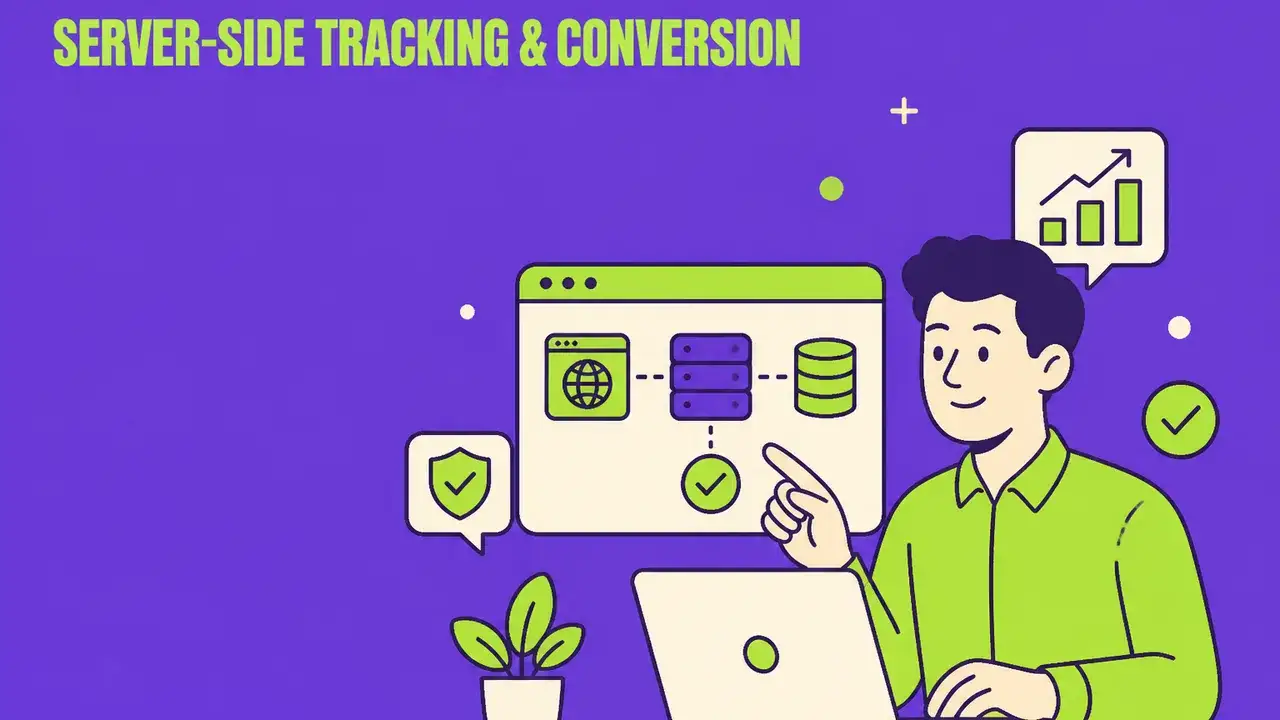
sGTM, Meta CAPI, TikTok Events API, Reddit CAPI: architectures, identity stitching, and compliance for a resilient tracking infrastructure.
90/180/365-day roadmap for CMOs: a layered measurement stack with MMM, incrementality, attribution, and agentic analytics — including vendor selection.
How Gemini Spark turns Android into an agent layer – and why brands need to become agent-ready now.
What Apple plans with the Siri-ChatGPT reboot – and how it positions against Gemini Spark.

Encrypted AI chats at Meta – privacy opportunity or compliance time bomb?

GTIG report, Microsoft Defender Agent, Anthropic Mythos: why cybersecurity becomes a marketing topic in 2026.
How an open-source agent beats top models on BrowseComp through verification-first architecture.
Open-weight alternative for on-device deployment – what marketing teams can build with it now.
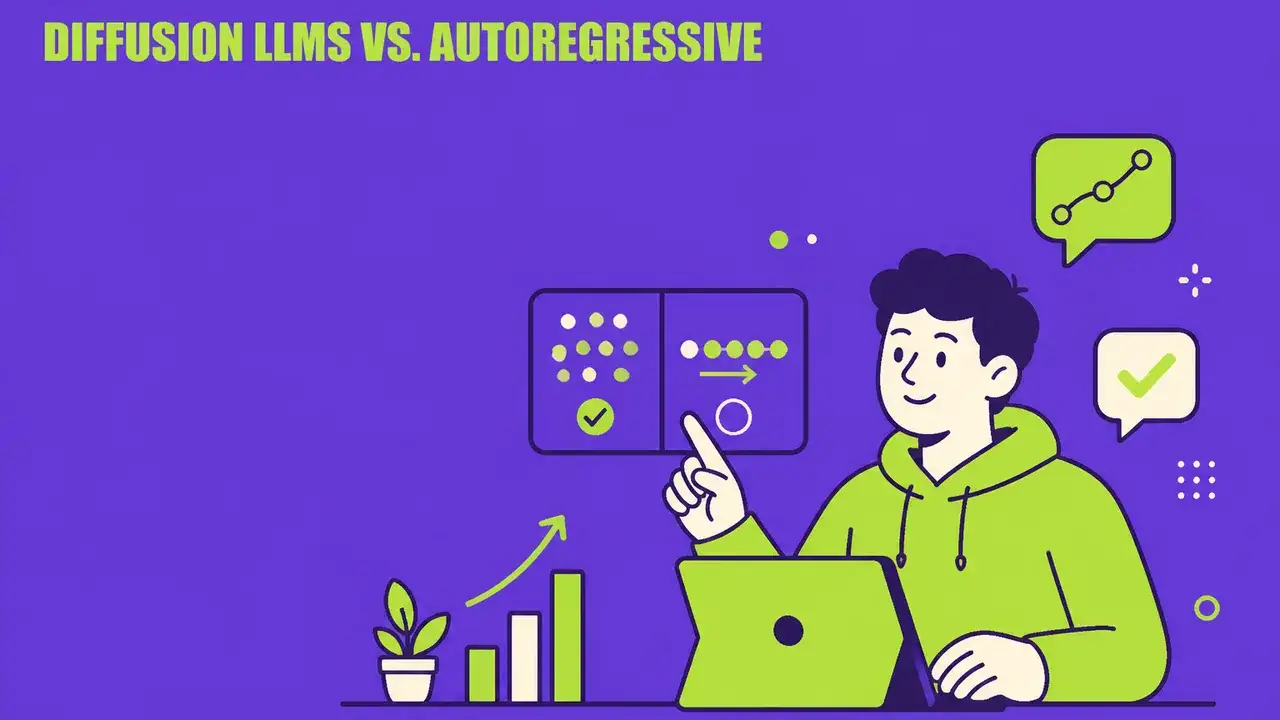
Mercury, parallel generation, new cost curves – why diffusion LLMs get serious in 2026.
Physical-world grounding brings LLMs into the real world – implications for marketing and brand experience.
Why marketing AI projects fail between concept and delivery – and how Creative Engineering closes that gap.