What 'Agentic' Really Means: A Checklist for Decision-Makers
In short
Almost every product is called agentic now. A clear definition and seven questions to settle in one conversation what you are really buying.
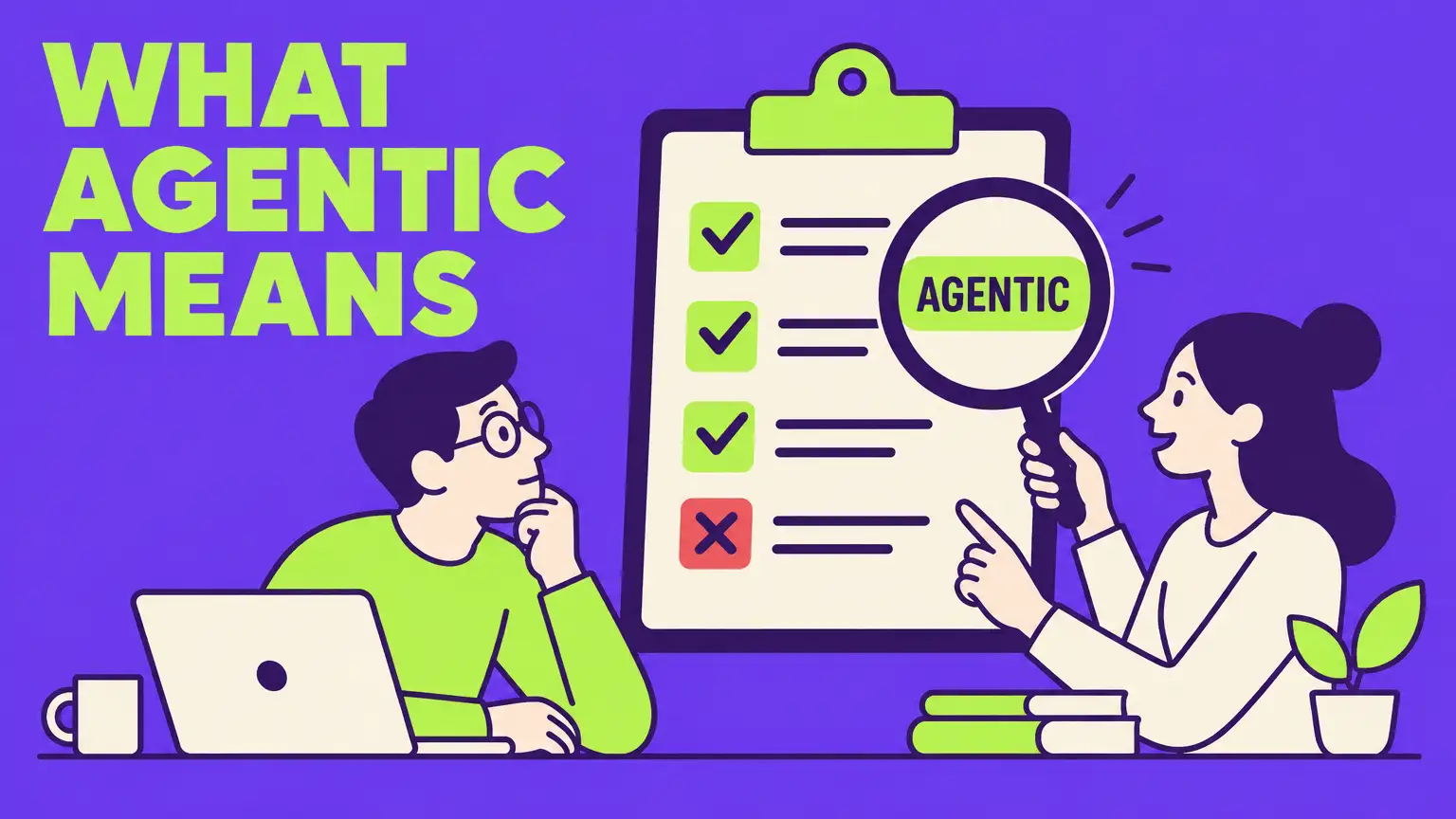
Table of Contents
"Agentic" is now stamped on almost every product: chatbots, automations, dashboards with an "ask the AI" button. For decision-makers that is a problem, because the same word covers very different systems — with very different risks.
1) A workable definition
A system is agentic when it receives a goal, plans its own steps, uses tools and reacts to results until the goal is reached or it stops. Technically: agent = model + harness — everything except the model, i.e. tools, permissions, memory, checks (LangChain).
A chatbot that answers questions is not agentic. Neither is a fixed workflow with one AI step. Both can be very useful — they are just something else.
2) The checklist: seven questions for every vendor
- What is the goal, and who sets it? Does the person define an outcome or only individual commands?
- Does the system plan itself? Or does it follow a fixed sequence someone built beforehand?
- Which tools may it use? Read, write, pay, send — each level separately.
- Where are the approval points? Which actions need human confirmation?
- How does it check its own results? Tests, rules, a second model — or not at all?
- What happens on errors? Does it stop, retry, report?
- What is logged? Can every step be traced afterwards?
If the answers to questions 2 and 3 are "no" and "none", you are being sold an automation. That is not a criticism — just a different category at a different price.
3) Why the distinction matters
- Risk: an agentic system can do things nobody ordered individually. That needs permission concepts and logs — see the EU AI Act for transparency duties.
- Cost: agents use more compute because they plan and check.
- Value: the benefit comes from multi-step tasks with open paths — not from tasks you could also build as a fixed flow.
Conclusion
"Agentic" is not a quality mark but a design type. Seven questions settle in one conversation what a product really is — and whether you are paying for autonomy you do not need.
Frequently Asked Questions
What is "What 'Agentic' Really Means: A Checklist for Decision-Makers" about?
Almost every product is called agentic now. A clear definition and seven questions to settle in one conversation what you are really buying.
A workable definition: what matters?
A system is agentic when it receives a goal, plans its own steps, uses tools and reacts to results until the goal is reached or it stops. Technically: agent = model + harness — everything except the model, i.
The checklist: seven questions for every vendor: what matters?
What is the goal, and who sets it? Does the person define an outcome or only individual commands? Does the system plan itself?
Why the distinction matters: what matters?
Risk: an agentic system can do things nobody ordered individually. That needs permission concepts and logs — see the EU AI Act for transparency duties. Cost: agents use more compute because they plan and check.
Related Articles
You might also be interested in these posts
 Strategy
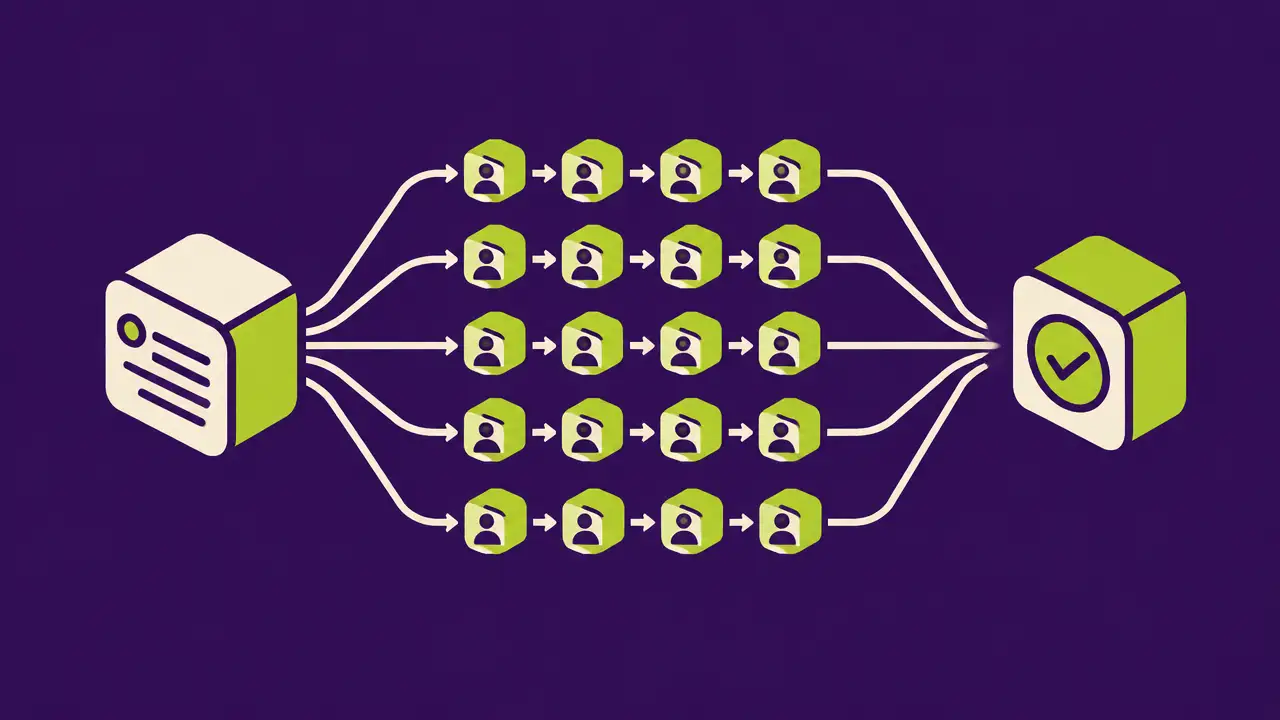
Full Autonomy Instead of Autocomplete: The Shift to Agentic Engineering
From code suggestions to parallel sub-agents: what changed technically, why "more agents" solves nothing and how teams rebuild workflows for delegation — including permissions, acceptance and cost caps.
 Strategy
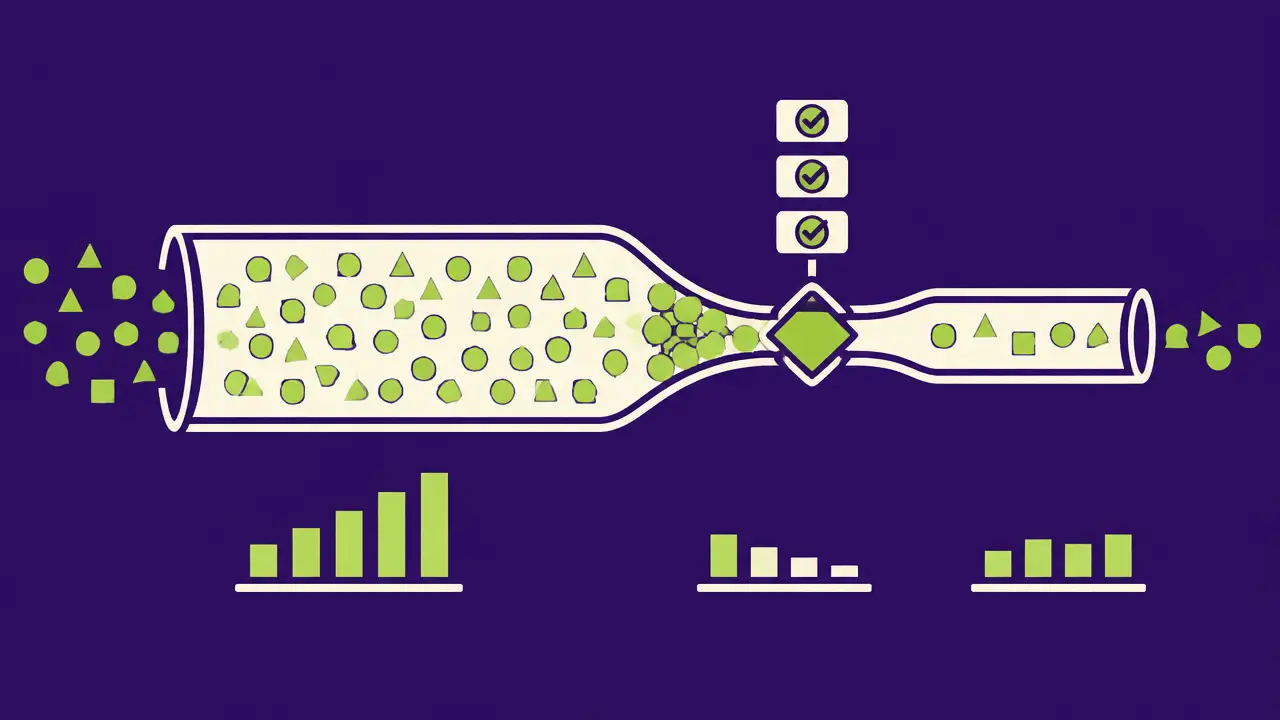
The New Bottleneck in IT Organisations: From Implementation to Vision
When implementation takes days instead of months, unclear product vision, slow approvals and missing judgement surface. How teams tier approvals by risk and measure the real bottleneck.
 Strategy
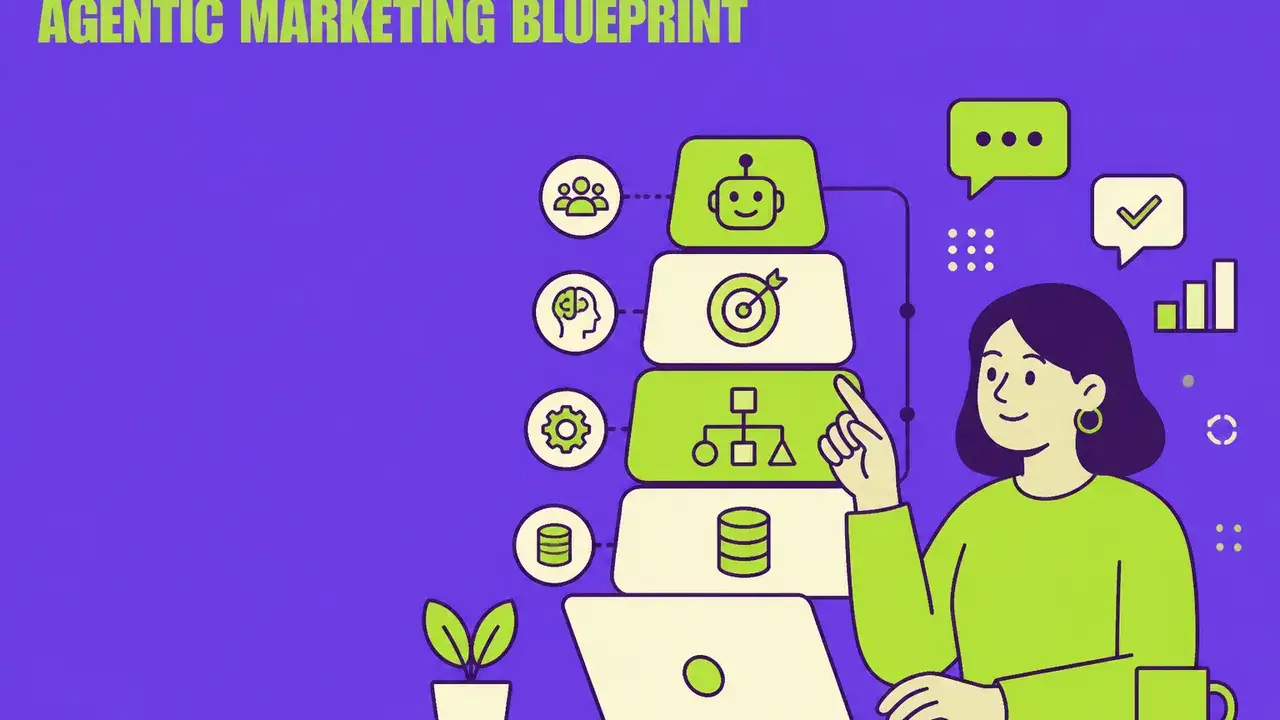
Agentic Marketing Blueprint: The Four Layers of Working Agent Teams
Knowledge, tools, agents, control: the reference architecture marketing organisations converge on in 2026 — including sequence, roles and metrics.