Tools & Technology
The Agentic Stack 2026: 20 Tools That Carry Agentic Development
Sep 20, 2026·12 min

Pinecone, Weaviate, Zep, LiteLLM, Braintrust, Composio and 14 more: the layers you only need once a prototype goes live — with limits, sources and four selection questions.
A side problem is too appealing and two weeks are gone. Where the term comes from, why fast prototypes amplify it and which four rules make curiosity useful.
From code suggestions to parallel sub-agents: what changed technically, why "more agents" solves nothing and how teams rebuild workflows for delegation — including permissions, acceptance and cost caps.
Unreviewed vibe coding damages mature systems: duplicated logic, broken layers, tests without evidentiary value. Which guardrails actually hold in AI-assisted development — and where the style fits.
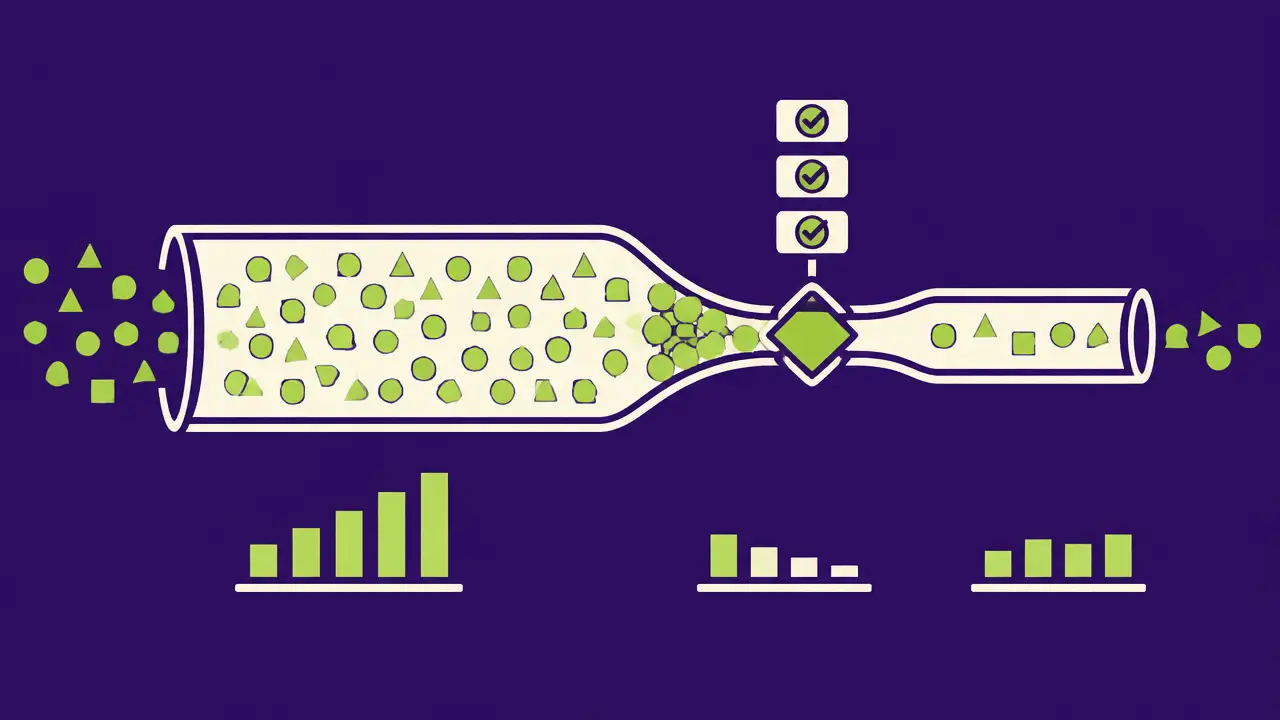
When implementation takes days instead of months, unclear product vision, slow approvals and missing judgement surface. How teams tier approvals by risk and measure the real bottleneck.
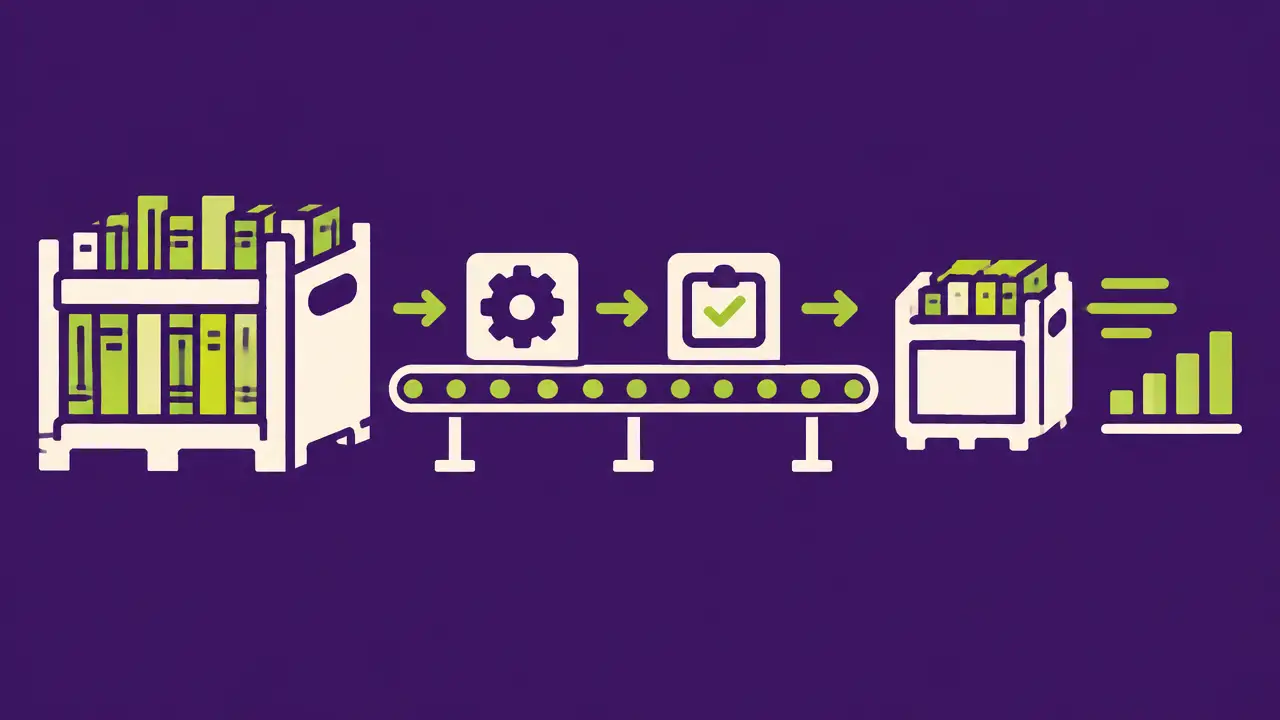
Python to Rust in days rather than months: how agentic porting works in practice, why factors of 10 to 40 are not transferable and which tests, benchmarks and ownership must be settled first.
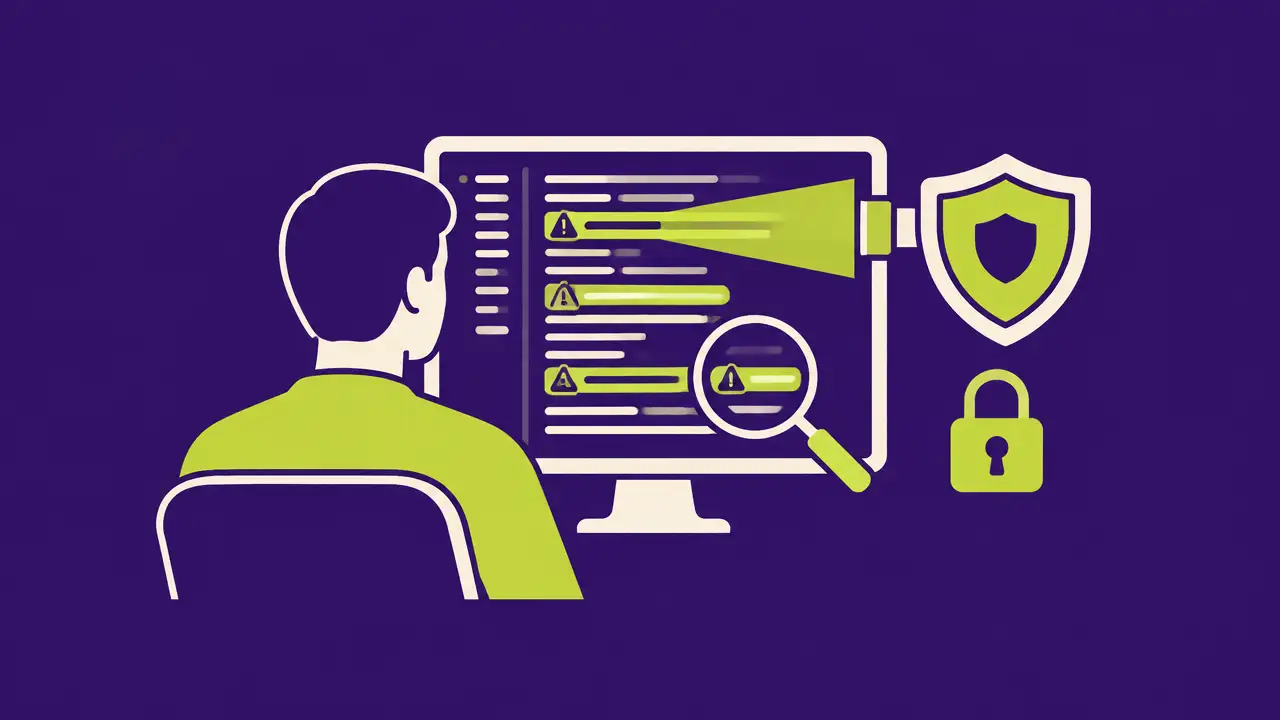
Agents review code continuously instead of by sampling: what pattern findings, dependency analysis and fix proposals deliver, where the limits are and which permissions and filters defensive use requires.
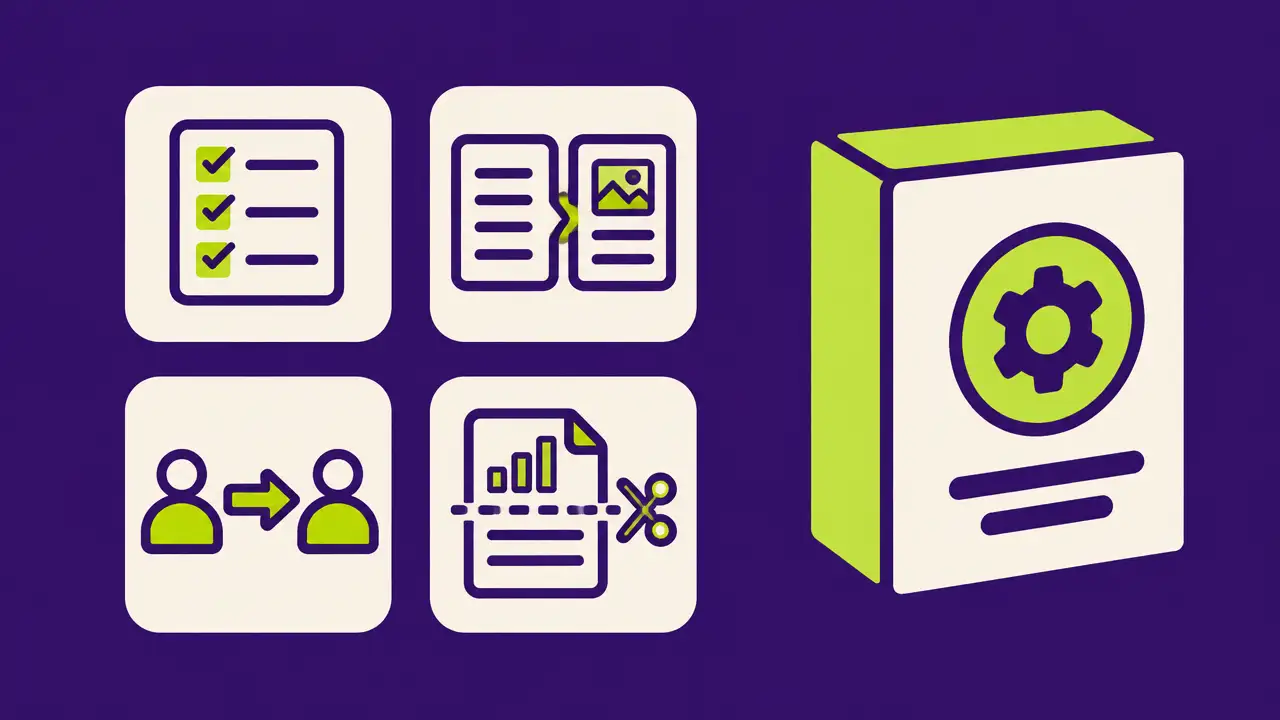
Why the buy-or-build calculation shifted, where in-house tools clearly fit better and which four rules prevent shadow IT — including an approach for your first three tools.
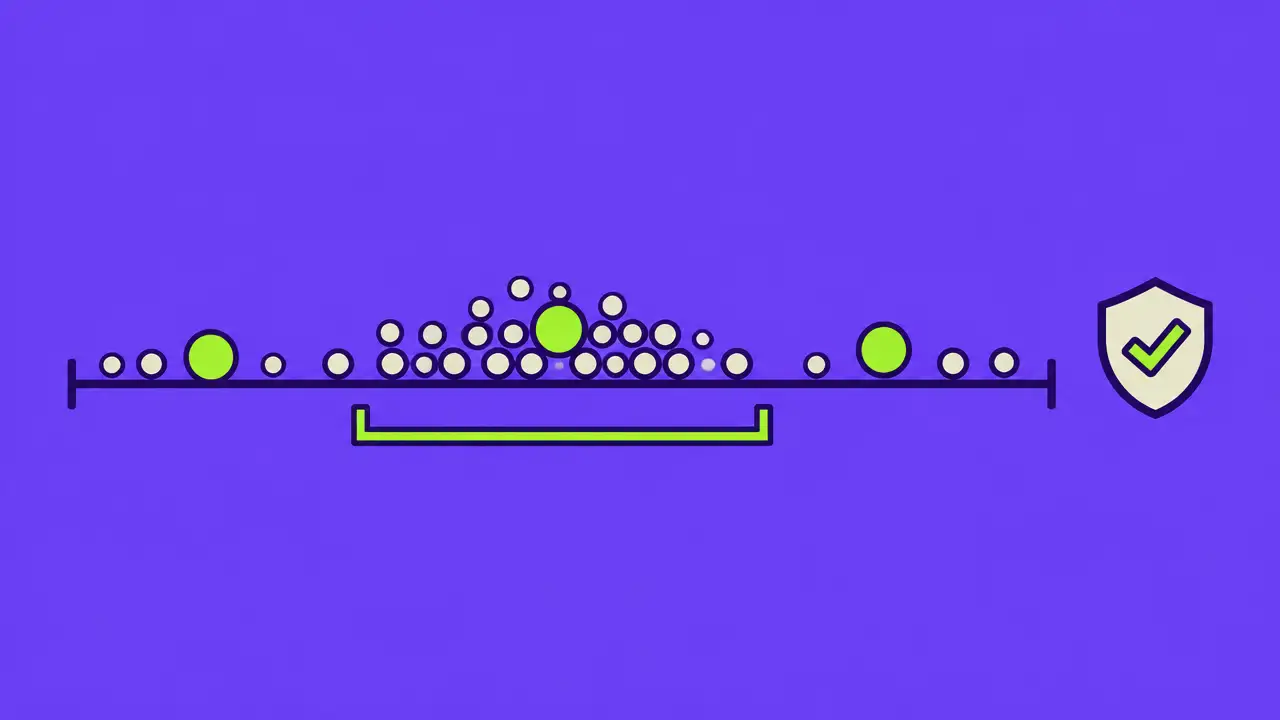
p(doom) is a subjective estimate, not a measurement — and experts diverge widely. What the term means, why it distorts corporate debates and which probability matters instead.

DHH's Linux for the age of agents: malleable software, an agent with system access, a plugin ecosystem. What marketing and technology teams should take from it — and which permissions come first.
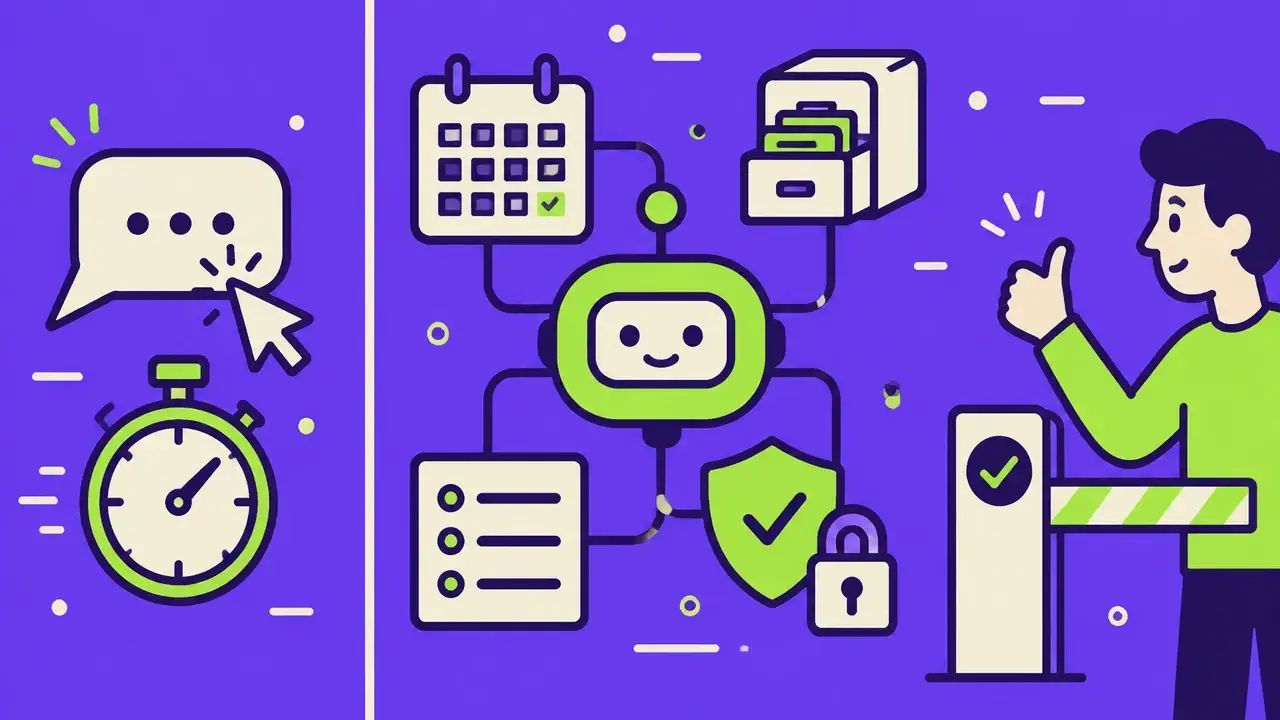
From prompt to delegated goal: long-term memory, confidential execution, sentinel agents and revenue share — assessed soberly, with a concrete path for marketing teams.
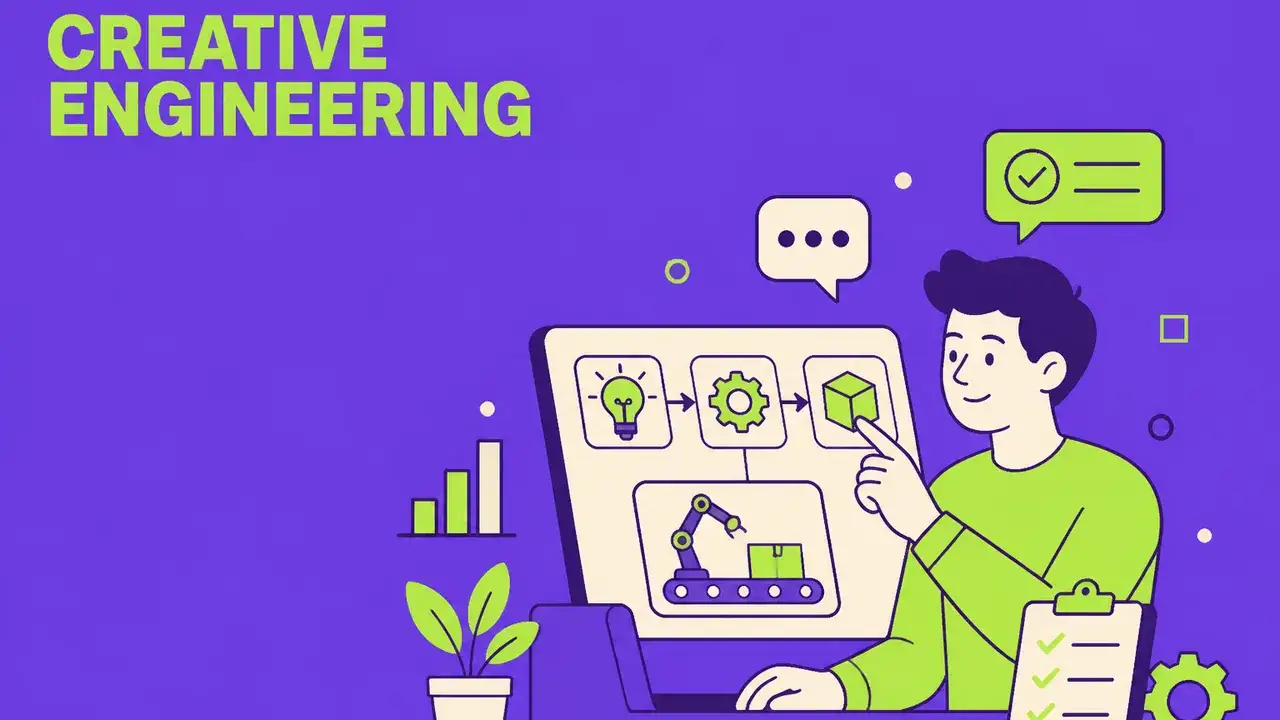
Why marketing AI projects fail between concept and delivery – and how Creative Engineering closes that gap.
12 / 170