A2UI: Agent Interfaces With Brand Rules
In short
How A2UI describes interfaces from approved components. A product-finder example with brand rules, error states and acceptance checks.
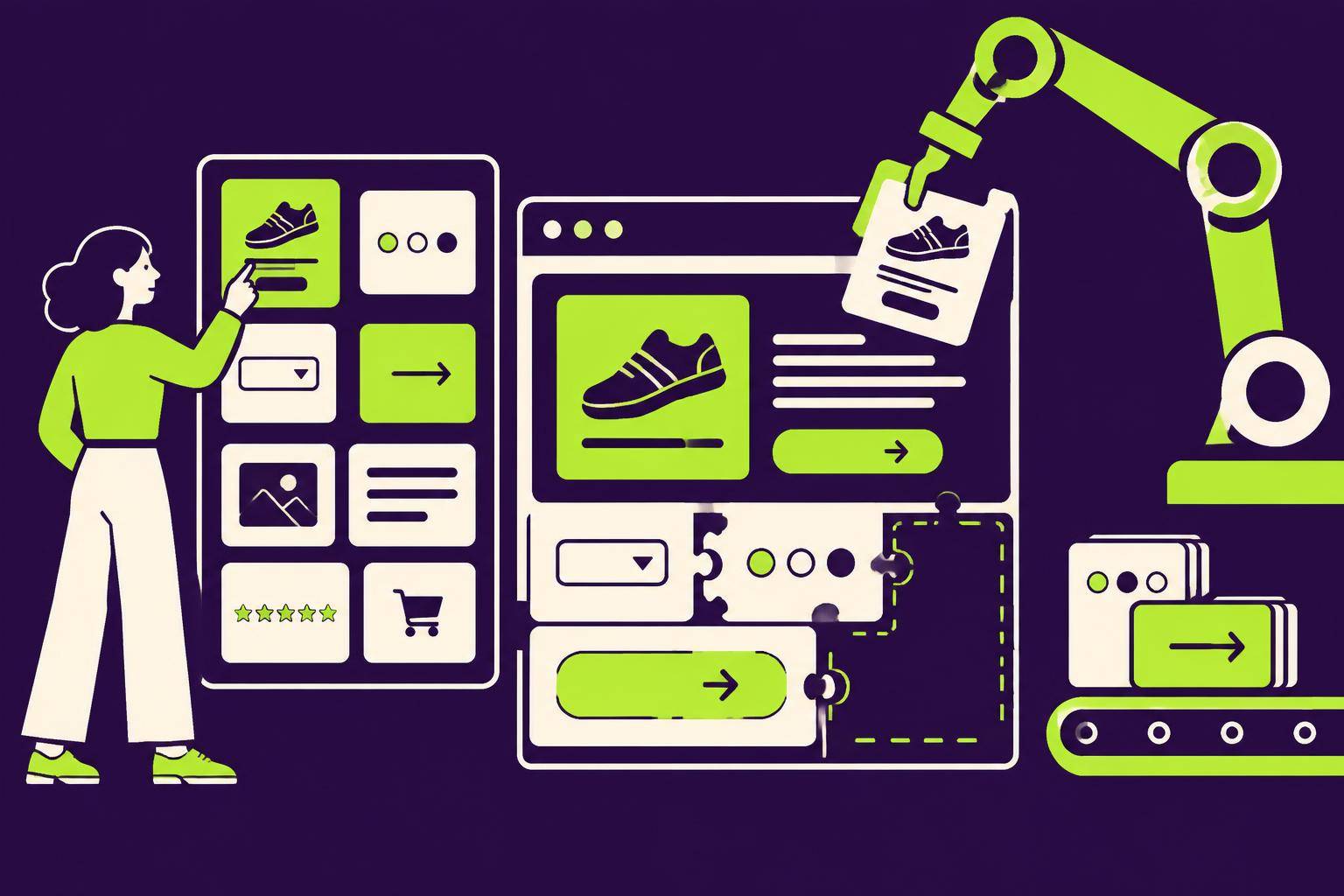
Table of Contents
A chat can advise; an interface can make selection, comparison and next steps clearer. When an agent describes an interface dynamically, who determines its components and limits? A2UI separates agent-generated descriptions from rendering through a trusted component catalogue. It is not the same as freely generated website code.
What changed in October
On 27 October 2026 Google Developers explained interchangeable inference formats for A2UI, particularly A2UI Express. The date marks this update, not A2UI's original release. The client supplies a catalogue, the agent describes an interface from it, and the client renders it. Deterministic SDK code translates the intermediate representation into the JSON transport protocol.
Vendor speed claims apply to particular setups. They do not guarantee project loading speed, accessibility or security. Our interest is the approved catalogue and actual application behaviour.
A fictional product finder
A B2B provider wants to present service options. The agent asks about the problem and location, then describes product tiles, a comparison and an enquiry button instead of a long answer. All components come from a reviewed catalogue. It cannot invent payment fields or arbitrary embedded scripts.
This fictional example illustrates a design decision, not a launched client project or proven conversion effect.
The catalogue is a brand contract
| Component | Approved properties | Boundary |
|---|---|---|
| Product tile | Name, image, supported description | No invented availability |
| Comparison | Valid attributes and common units | No misleading ordering |
| Selector | Labels, options, keyboard behaviour | No hidden defaults |
| Enquiry button | Clear purpose and allowed destination | No unexpected purchase action |
| Error message | Understandable reason and retry | No false success |
Brand rules belong in actual typography, contrast, states and permitted actions, not just a textual instruction. The interface must also reflect authoritative data.
Validate descriptions and actions
An allowed component name is not enough. Check message schemas, properties and destinations. A product ID must resolve to an accessible record. Price and availability come from an authorised source, not plausible language generation.
Verify actions server-side against current user permissions. Describing a button cannot grant extra authority. Dynamic UI is presentation, not authorisation.
States the attractive prototype may miss
No suitable option: offer clarification or contact, not invented products.
Loading: avoid flicker and lost input; make pending work recognisable.
Invalid description: fall back to a safe, understandable state rather than a blank screen.
Keyboard and screenreader: test focus order, names and feedback using the actual components. The protocol does not guarantee accessibility.
Changed permission: check again before execution. A previously visible button is not permanent consent.
Acceptance requires more than a screenshot
Test tasks on wide and narrow screens, long product names and empty results. Check changed selections, back navigation, errors and successful enquiries. Measure the actual integration rather than importing vendor performance claims.
The product finder does not need to redesign itself at every step. Stability and predictable interaction often matter more than maximum variation. Human concepts guide execution within reviewed design and action rules.
Our Creative Engineering conclusion
A2UI is a specific approach within generative interfaces. Value comes not from an agent building everything, but from a team expressing brand and interaction rules as reusable components. Sources, validation, permissions and acceptance make it a responsible customer experience.
Sources and context
As of 4 November 2026. Product claims describe vendor statements, not independent evidence of outcomes. The working templates and recommendations are our editorial contribution.
Further reading and next step
Want to review a bounded workflow with us? Describe your project in the Agenten-Pilot. Scope, timing and pricing are agreed after the initial conversation.
Frequently Asked Questions
What is "A2UI: Agent Interfaces With Brand Rules" about?
How A2UI describes interfaces from approved components. A product-finder example with brand rules, error states and acceptance checks.
What changed in October: what matters?
On 27 October 2026 Google Developers explained interchangeable inference formats for A2UI, particularly A2UI Express. The date marks this update, not A2UI's original release.
A fictional product finder: what matters?
A B2B provider wants to present service options. The agent asks about the problem and location, then describes product tiles, a comparison and an enquiry button instead of a long answer.
The catalogue is a brand contract: what matters?
Brand rules belong in actual typography, contrast, states and permitted actions, not just a textual instruction. The interface must also reflect authoritative data.
Related Articles
You might also be interested in these posts
 Tools & Technology
Visual AI QA: Actually Testing Campaign Pages
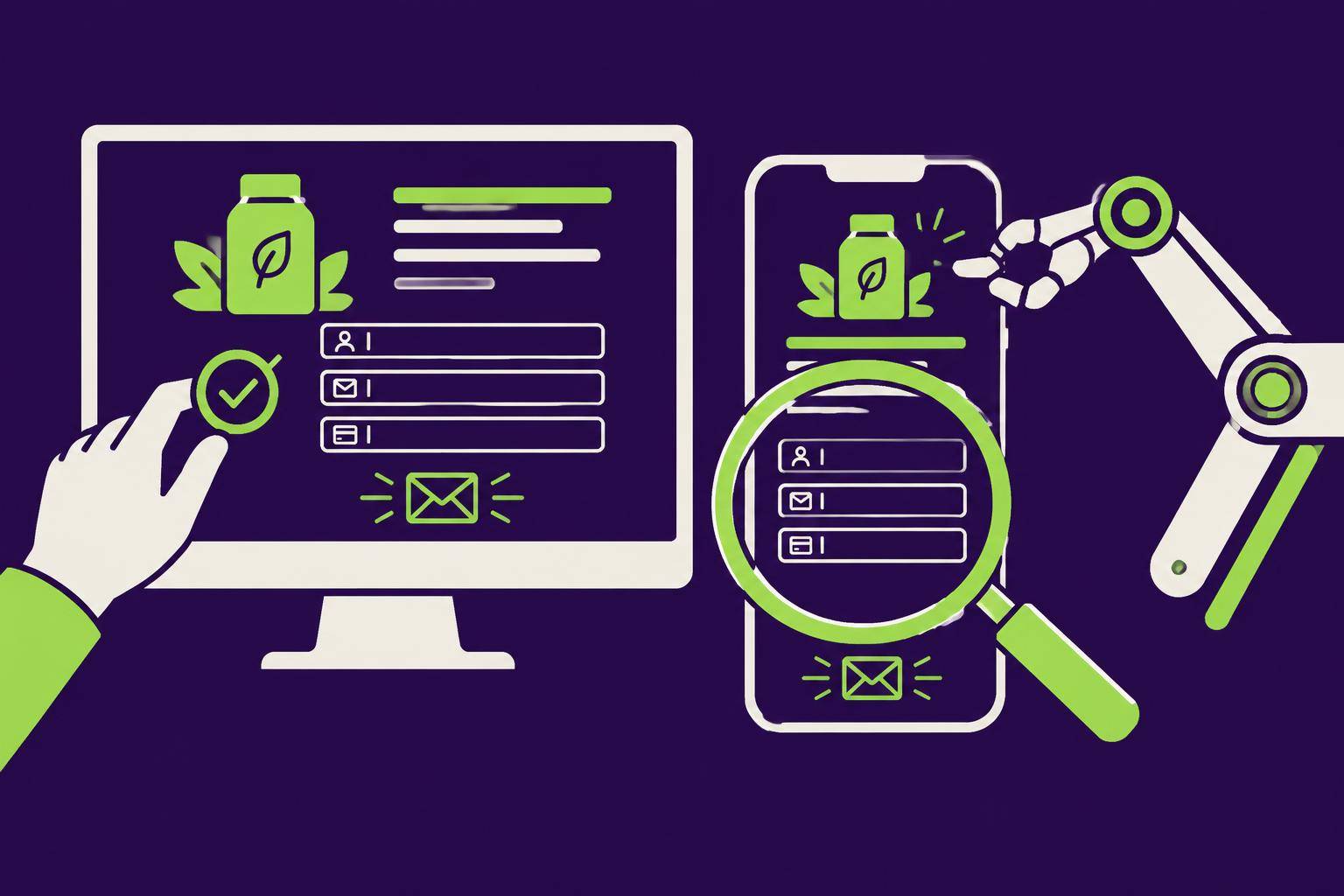
Browser AI can find presentation failures. An acceptance plan for mobile campaign pages, forms, errors and confirmed enquiries.
 Tools & Technology
Figma Make vs. Lovable: Design Prototype or Full-Stack App – Which Tool Fits?
Figma Make transforms designs into interactive prototypes, Lovable builds complete apps with backend. We compare both tools, show use cases, and the ideal combined workflow for marketing teams.
 Tools & Technology
Figma × Claude Code: The New Design-to-Code Roundtrip for Marketing Teams
Figma has introduced "Claude Code to Figma", an integration that transforms code prototypes into editable designs—and back via MCP Server. We show the workflow, benefits, and best practices for marketing teams.
AI solutions by Davies Meyer
From an application to the right delivery
Good AI applications need brand knowledge, a clear idea and the right execution. Davies Meyer brings strategy, creativity, content production and technology together. Creative Engineering is our method for making that collaboration repeatable.
We take responsibility for the concept and quality.