Multiturn Ads: Briefing for the Next Question
In short
Google announces US multiturn ads. What follow-up questions mean for campaign briefs and destinations, without claiming DACH availability.

Table of Contents
A conventional ad often responds to one search impulse. An AI conversation may address several decision questions in sequence. The creative question is not just where the ad appears, but which unresolved concern it should answer. This is a briefing perspective, not a targeting guarantee.
What Google announced
On 28 October 2026 Google announced US Multiturn Ads: ads may appear on follow-up questions in AI Mode and should be labelled “Sponsored”. Separately, it described expanding AI-Mode ads to Australia, Canada, India, Kenya, Malaysia, New Zealand, Nigeria, Pakistan, the Philippines and Singapore.
Brazil, Mexico and the UK are planned Q4 additions; that does not prove a completed launch by this article's date. Germany, Austria and Switzerland are not named. We therefore claim neither DACH availability nor access for every ad account.
A fictional decision brief
A B2B team asks how to produce AI content more effectively, then asks about brand quality, approvals and existing systems. This is a fictional planning model, not a Google-confirmed ability to target individual conversation stages.
| Stage | Possible follow-up | Creative task | Destination task |
|---|---|---|---|
| Problem | Where does our rework arise? | Specific problem, not tool hype | Explain process and limits |
| Comparison | Agency, tool or internal team? | Distinct offer | Show roles and collaboration |
| Objection | Who checks brand quality? | Visible accountability | Describe approval and review |
| Implementation | What does a first test require? | Bounded entry point | Let visitors enquire directly |
A generic efficiency statement rarely answers all these questions. That does not mean every phase is separately bookable. It means content should genuinely address distinct concerns.
What belongs in the brief
State problem, constraints, evidence and next step. Identify claims that cannot be made without project-specific review. “Ready immediately” is misleading when integrations and approvals still need assessment.
Create variants by argument, not just wording: quality assurance, connection to existing systems or a bounded pilot. Actual distribution depends on platform functions and account availability.
The destination should answer the concern
A visitor asking about approvals should not land on a generic tool list. A useful page explains ownership, workflow and constraints. A direct enquiry form can be more useful than another jump between domains.
Do not infer personal profiles from assumed conversation content. An ad click does not reveal the exact follow-up question. Design for understandable needs, not an allegedly complete conversation history.
Measurement without borrowed success claims
Inspect actual placement and available reports in the account. Separate clicks, qualified visits and valuable enquiries. Google's internal click-rate statements about product listings are not independent evidence of the later multiturn-ad format's effect. Do not reuse them as a budget forecast.
When placements are genuinely available, run a bounded experiment with a documented period, objective and comparison. Simultaneous changes to creative, destinations and bids weaken attribution. A test can support learning without proving a single cause.
What DACH teams can do now
Map real customer questions to problem, comparison, objection and implementation. Review which answers existing pages supply. Add genuine evidence and clear contact routes without selling an unconfirmed local ad capability.
In Creative Engineering, humans define the idea. Arguments become controlled variants, claims are reviewed and results assessed by creative features. The news is new; the responsibility is familiar: answer a relevant question clearly and with evidence.
Sources and context
As of 4 November 2026. Product claims describe vendor statements, not independent evidence of outcomes. The working templates and recommendations are our editorial contribution.
Further reading and next step
Want to review a bounded workflow with us? Describe your project in the Social-Pilot. Scope, timing and pricing are agreed after the initial conversation.
Frequently Asked Questions
What is "Multiturn Ads: Briefing for the Next Question" about?
Google announces US multiturn ads. What follow-up questions mean for campaign briefs and destinations, without claiming DACH availability.
What Google announced: what matters?
On 28 October 2026 Google announced US Multiturn Ads: ads may appear on follow-up questions in AI Mode and should be labelled “Sponsored”. Separately, it described expanding AI-Mode ads to Australia, Canada, India, Kenya, Malaysia, New Zealand, Nigeria, Pakistan, the Philippines and Singapore.
A fictional decision brief: what matters?
A B2B team asks how to produce AI content more effectively, then asks about brand quality, approvals and existing systems. This is a fictional planning model, not a Google-confirmed ability to target individual conversation stages.
What belongs in the brief: what matters?
State problem, constraints, evidence and next step. Identify claims that cannot be made without project-specific review. “Ready immediately” is misleading when integrations and approvals still need assessment.
Related Articles
You might also be interested in these posts
 Trends & Insights
Retail Media Goes Agentic: MCP-Native Ad Serving for Shopping Agents
When agents shop, ads need structured data instead of creatives. What Mirakl and Moloco are demonstrating.
 Trends & Insights
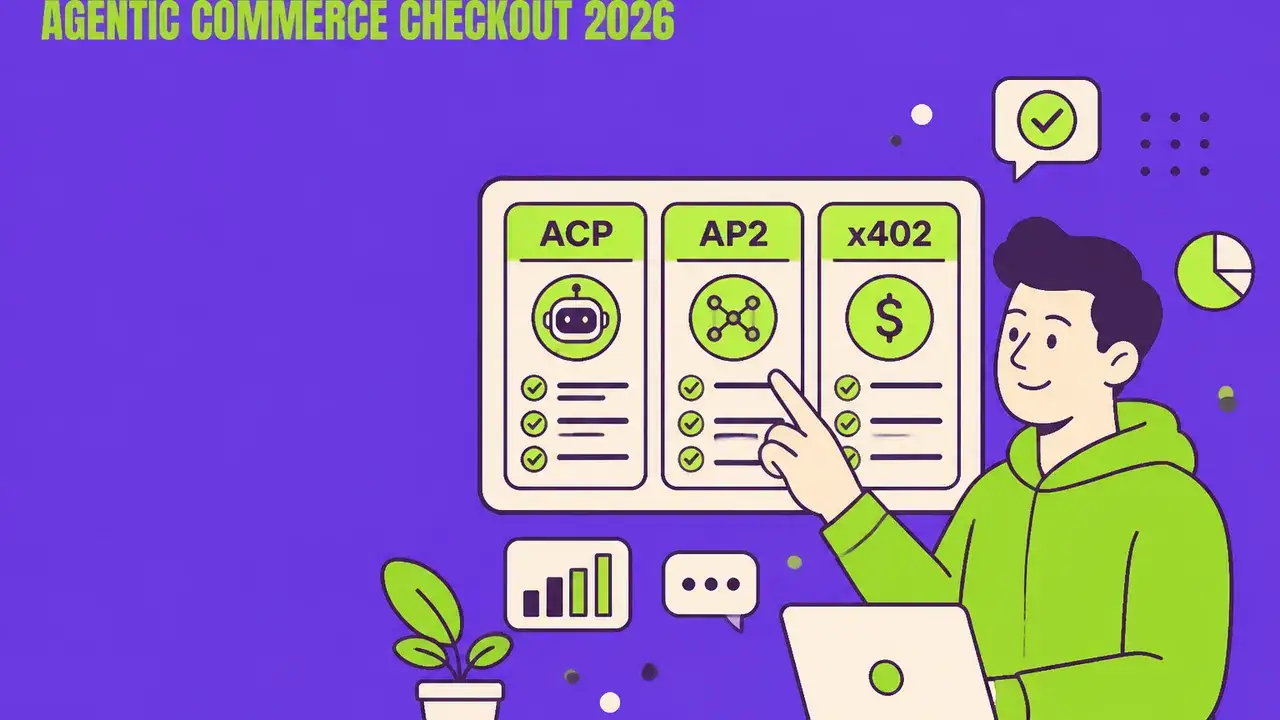
Agentic Commerce Checkout 2026: ACP vs. AP2 vs. x402 Compared
ACP, AP2, and x402 compared: how agents pay, who is liable, which mandates and spend limits are required, and what merchants and brands need to prepare technically now.
 Trends & Insights
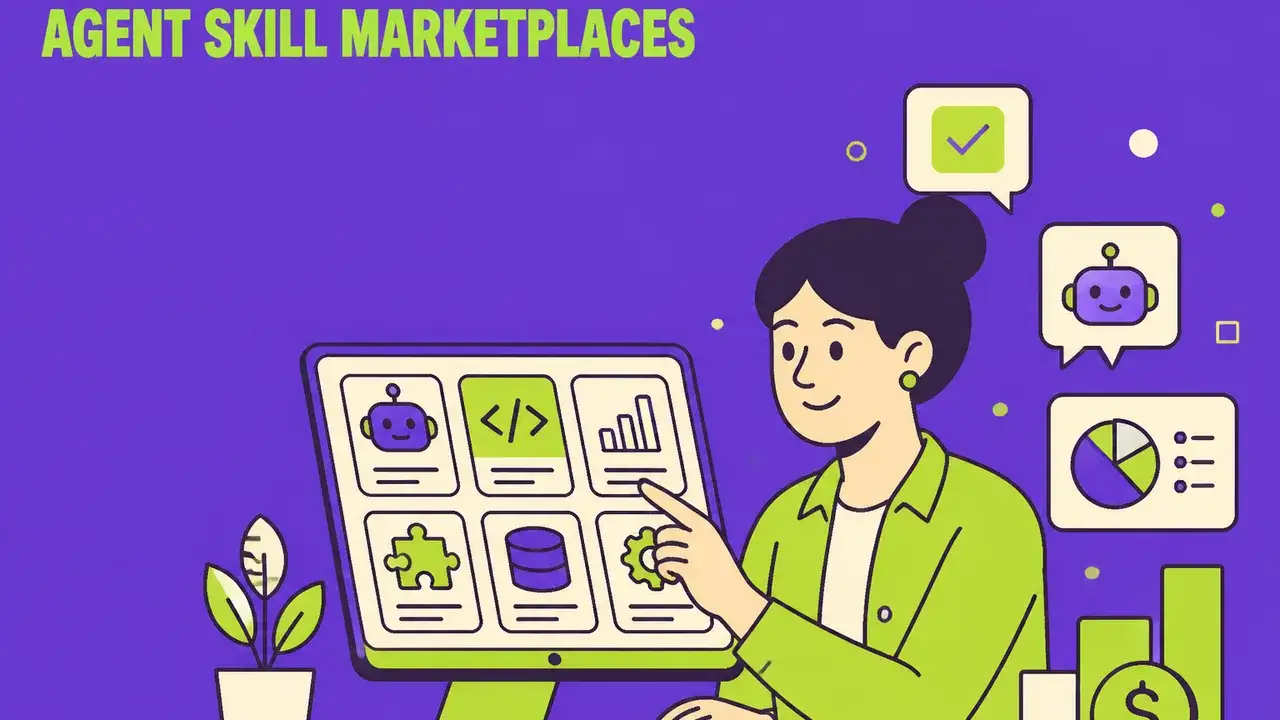
Agent Skill Marketplaces: The New MCP Economy and How Brands Monetize It
Skills, MCP servers, and agent cards are becoming a new distribution channel. How discovery and ranking work inside agents, which monetization models hold up, and what brands need as skill providers.
AI solutions by Davies Meyer
From an application to the right delivery
Good AI applications need brand knowledge, a clear idea and the right execution. Davies Meyer brings strategy, creativity, content production and technology together. Creative Engineering is our method for making that collaboration repeatable.
We take responsibility for the concept and quality.