Creator Commerce Goes Agentic: Product Feeds for the AI Discovery Layer
In short
LTK, TikTok Shop and agentic campaign management: why attribute coverage now beats aesthetics — and how to make invisible losses visible.
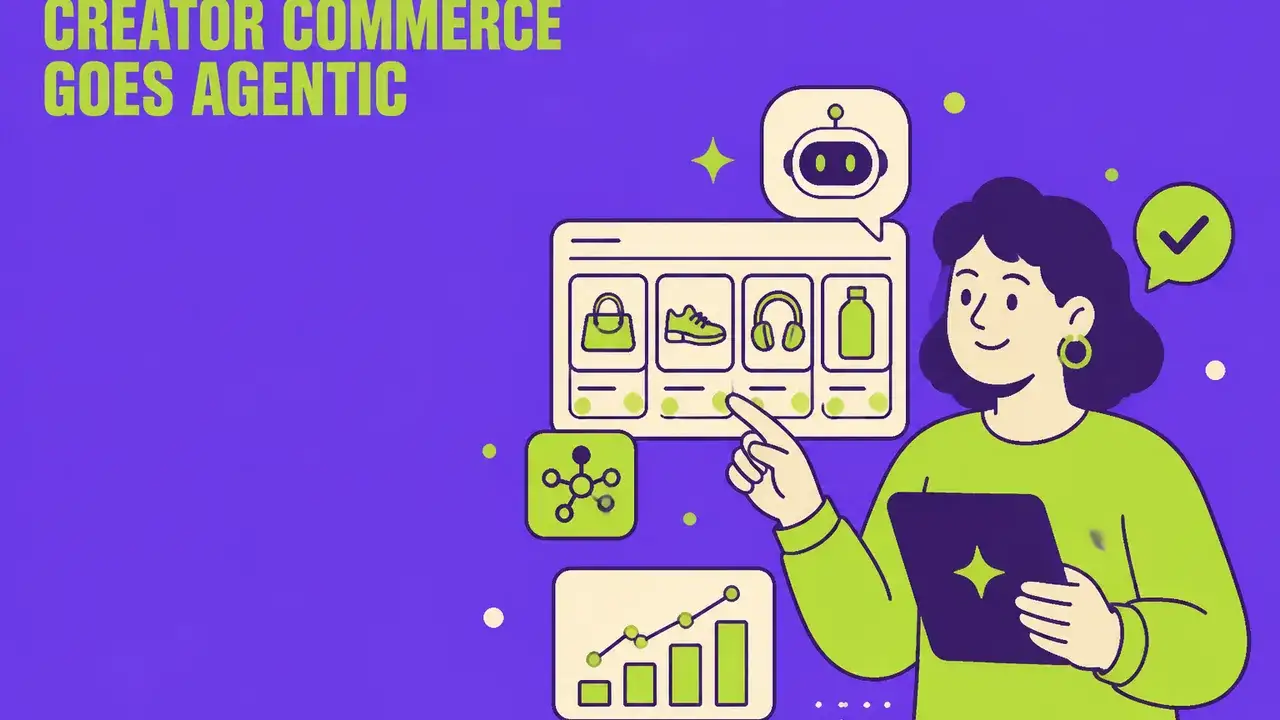
Table of Contents
The short answer
Product discovery is leaving the surfaces brands control. In August 2026 LTK launched agentic campaign management for creator marketing, and TikTok Shop is pushing an AI discovery layer in front of the catalogue. Both read structured data, not moodboards. If your product feed and creator assets are not machine-readable, you disappear from recommendations without seeing it in reporting.
What "agentic" means here
At LTK a brand describes its goal in prose; the system plans the campaign, proposes matching creators, launches, optimises and recommends the next step — proactively in the background too. At TikTok Shop a discovery layer decides which products even enter an AI-assisted suggestion.
The common denominator: a model sits between your offer and the customer, selecting on explicit criteria.
What these systems read
| Signal | Weight for humans | Weight for the discovery layer |
|---|---|---|
| Product video / aesthetics | high | low |
| Attribute completeness (size, material, fit) | medium | very high |
| Availability and price freshness | medium | disqualifying |
| Structured creator performance history | low | high |
| Machine-readable returns and shipping terms | low | high |
In practice: a catalogue with patchy attributes is not scored lower — it is skipped.
Rebuilding the feed in four steps
1. Measure attribute coverage. Per category, the share of fully populated required and recommended attributes. Anything below 90 percent is a revenue risk.
2. Standardise language. Models match on terms. When the same property is written three different ways, the signal breaks apart.
3. Real-time sync instead of nightly batch. Price and stock mismatches lead agentic systems to exclude, not to correct.
4. Structure creator assets. Not just videos but outcomes: reach, conversion, audience fit — in a format an agent can evaluate.
What changes for creator programmes
Selection shifts from gut feel and follower count to evidenced fit. Three consequences:
- Micro-creators gain, because their performance history in narrow segments is cleaner to interpret than broad reach.
- Briefings become data. Audience, do-not-say list and disclosure duties must exist in structured form, otherwise the agent cannot enforce them.
- Disclosure remains mandatory. Agentic selection changes nothing about advertising disclosure or, for AI-generated content, the transparency duties of the EU AI Act.
The blind spot in reporting
If a product never enters the suggestion, there is no impression, no click and no line in the report. The loss is invisible. So alongside performance metrics you need a second measurement: visibility rate inside the discovery layer — checked regularly against a fixed set of buying-intent queries per category.
Next steps
Measure your feed's attribute coverage first, then your visibility rate in AI-assisted suggestions. Only once both numbers exist is budget in agentic creator campaigns worthwhile. How we set that up is on our GEO agency page; background in the glossary under agentic commerce and agentic checkout.
Frequently Asked Questions
What is an AI discovery layer in commerce?
A selection stage sitting between catalogue and user interface that decides which products enter an AI-assisted suggestion at all. It evaluates structured attributes, availability, price freshness and terms — not images or brand awareness.
How high should product feed attribute coverage be?
For agentic discovery, 90 percent fully populated required and recommended attributes per category is a practical floor. Below that, items are routinely skipped, and the loss appears in no campaign report because no impression is created.
Do large creators lose relevance under agentic selection?
Not fundamentally, but selection shifts towards evidenced fit. Micro-creators with clean, segmented performance histories are easier for an agent to evaluate than broad reach without structured outcome data.
Do disclosure duties still apply to agentically managed campaigns?
Yes, unchanged. Promotional content must remain recognisable as such, and AI-generated or AI-modified content falls under the transparency duties of the EU AI Act. Those rules belong in the briefing in structured form so the agent can enforce them.
Related Articles
You might also be interested in these posts
 Trends & Insights
Retail Media Goes Agentic: MCP-Native Ad Serving for Shopping Agents
When agents shop, ads need structured data instead of creatives. What Mirakl and Moloco are demonstrating.
 Trends & Insights
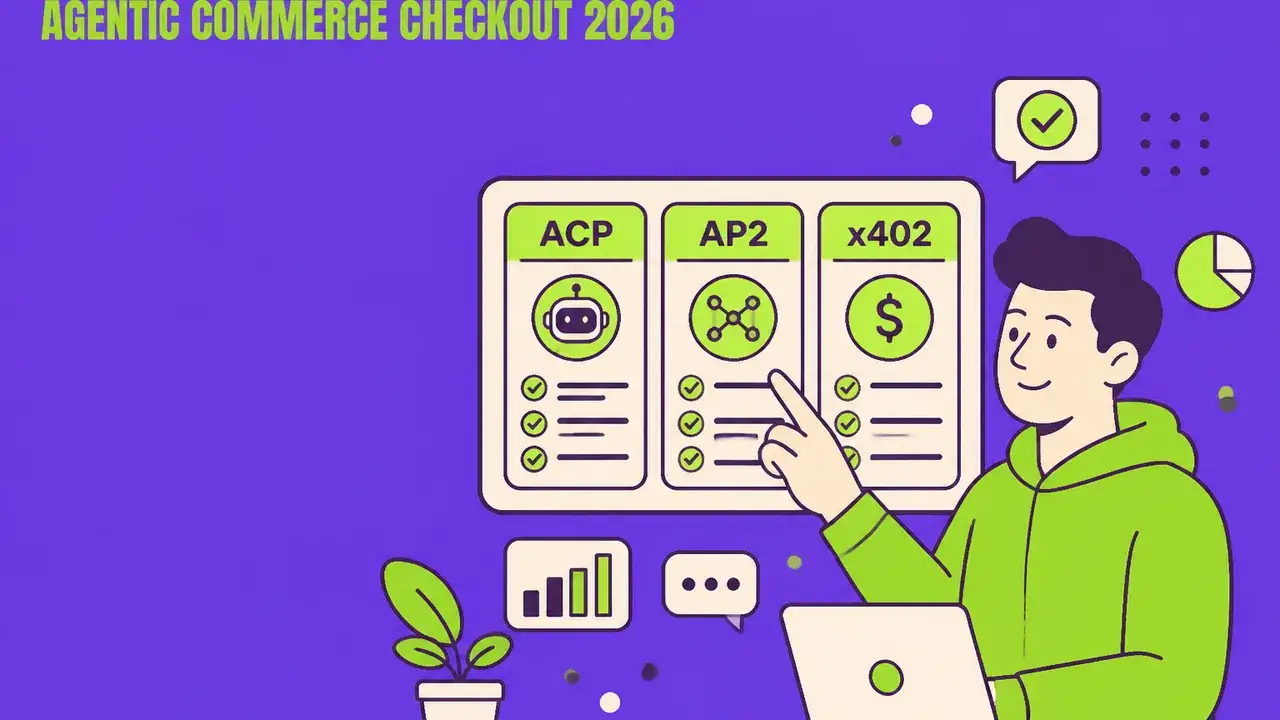
Agentic Commerce Checkout 2026: ACP vs. AP2 vs. x402 Compared
ACP, AP2, and x402 compared: how agents pay, who is liable, which mandates and spend limits are required, and what merchants and brands need to prepare technically now.
 Trends & Insights
SynthID Text: How Invisible Watermarks in AI Text Work
Anthropic brings SynthID watermarking to Claude. What it means for content teams, detectors and compliance.