Meta Ads MCP: What the Connection Means for Ad Teams
In short
Meta ads MCP server in Databricks Marketplace: verified availability, possible uses and approval rules for agentic advertising tasks.
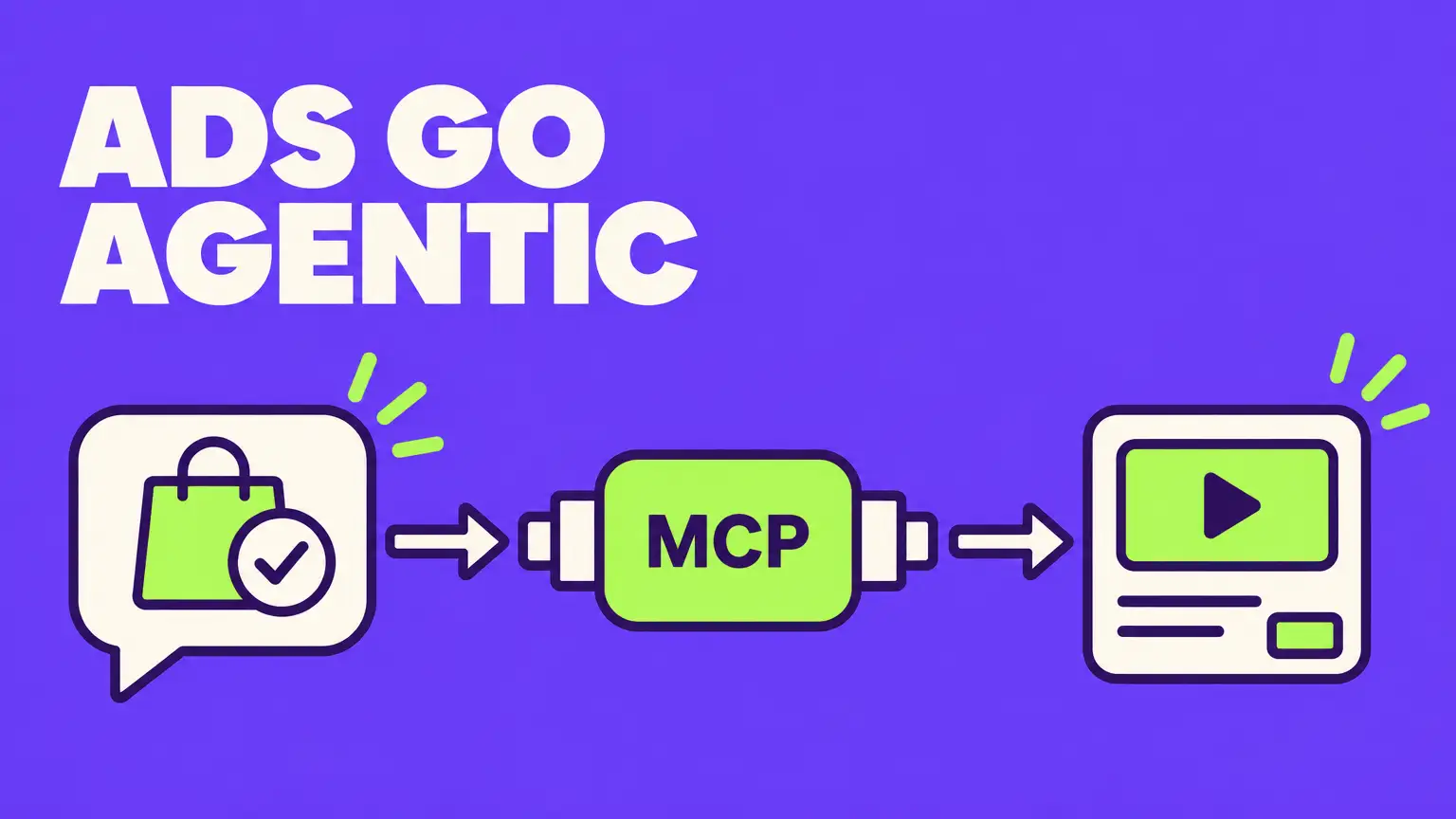
Table of Contents
Meta’s ads MCP server connects advertising tasks with AI tools. What is verified: Databricks announced Marketplace availability on October 6, 2026. This raises questions about access, approvals and owned data — it does not automatically mean an unrestricted autonomous ads manager.
1) Verified availability and possible applications
- Marketplace: Databricks describes access to Meta’s ads MCP server in its Marketplace (Databricks). Check access requirements, allowed actions and account permissions before use.
- Start with analysis: A possible use case is an assistant querying campaign data. Whether write actions are available depends on the specific tool and permissions.
- Buying in chat: In-chat checkout is a separate commerce topic; an MCP connection alone does not create a checkout. We are not claiming a specific Meta/Shopify rollout here.
2) Why the MCP connection matters
Through the Model Context Protocol, your own AI applications can create campaigns, maintain catalogues and query performance — through standardised tools; setup, authentication and permission checks are still required. Microsoft offers the same for its ad platform (Microsoft Advertising).
That moves where the work happens: away from the platform's ads manager, towards the tool the team already works in — where its own data lives. That is the advantage: customer value, churn risk and margin can feed decisions that used to rest on platform numbers alone.
3) What teams should settle now
- Permissions before automation. Which actions may an agent take without approval — pull a report, propose a creative, change a budget? Write it down.
- Logging. Every change made by an agent must be traceable: who, what, why.
- Make brand guidelines machine-readable. When assistants import guidelines, their quality decides the quality of the creatives.
- Clarify checkout data. For purchases in the chat: who is the merchant, where does order data live, what does the privacy policy say?
Conclusion
An MCP connection can move advertising tasks into owned AI tools. People still need to set goals, permissions and approvals. Benefiting from it takes fewer new tools than clear approval rules and own data an agent is allowed to use.
Frequently Asked Questions
What is "Meta Ads MCP: What the Connection Means for Ad Teams" about?
Meta ads MCP server in Databricks Marketplace: verified availability, possible uses and approval rules for agentic advertising tasks.
Verified availability and possible applications: what matters?
Marketplace: Databricks describes access to Meta’s ads MCP server in its Marketplace (Databricks). Check access requirements, allowed actions and account permissions before use.
Why the MCP connection matters: what matters?
Through the Model Context Protocol, your own AI applications can create campaigns, maintain catalogues and query performance — through standardised tools; setup, authentication and permission checks are still required.
What teams should settle now: what matters?
Permissions before automation. Which actions may an agent take without approval — pull a report, propose a creative, change a budget? Write it down.
Related Articles
You might also be interested in these posts
 Trends & Insights
Retail Media Goes Agentic: MCP-Native Ad Serving for Shopping Agents
When agents shop, ads need structured data instead of creatives. What Mirakl and Moloco are demonstrating.
 Trends & Insights
Why Websites Block AI Agents — and What Brands Should Do
Agents do not see ads. Why blocking is mainly a revenue question, how pay per crawl works and which content brands should keep open.
 Trends & Insights
A2A eCommerce: When AI Agents Take Over Commerce
Agent-to-Agent Commerce is no longer a future vision: Autonomous AI agents negotiate, order, and optimize supply chains in real-time. What this means for B2B, DTC, and marketing teams.