AI in Branding: Developing and Scaling Brand Identity
In short
7 AI use cases in branding: From naming to brand voice to brand monitoring. €50,000–80,000 annual savings through scalable brand consistency.
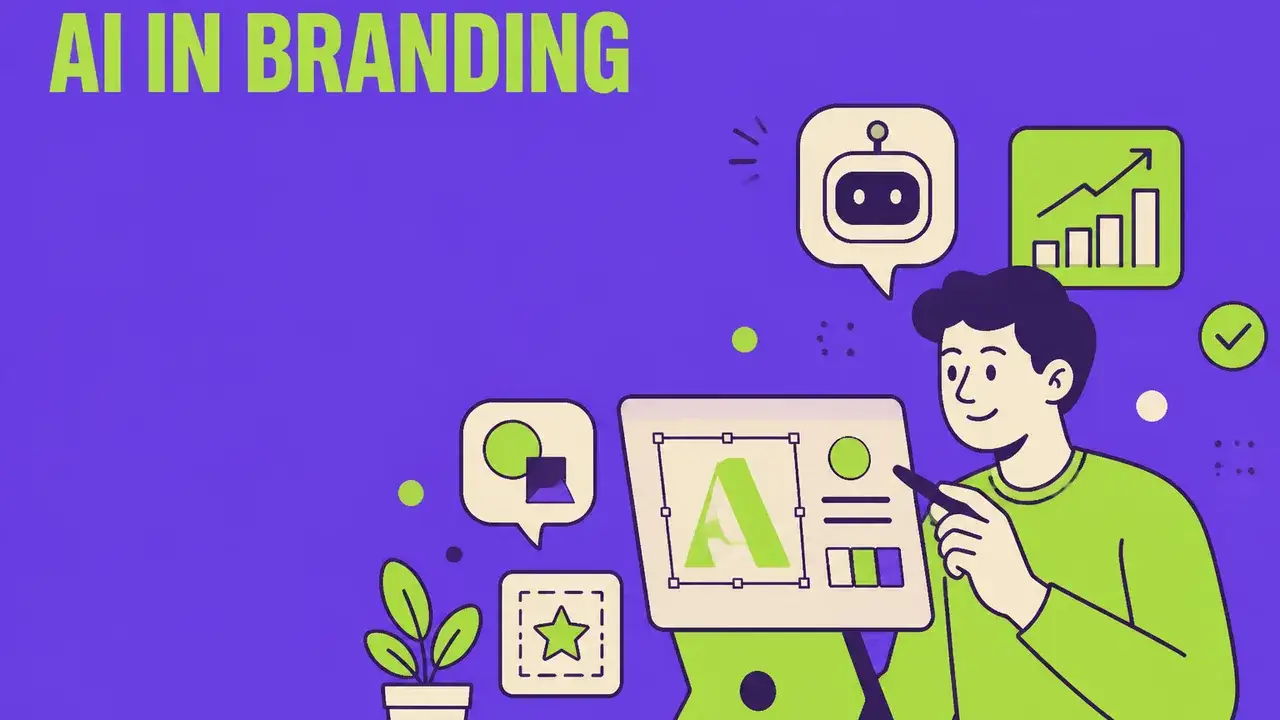
Table of Contents
AI in Branding: Developing and Scaling Brand Identity
Branding is more than a logo. It's the total experience customers have with your brand. AI is changing how brands are developed, kept consistent, and scaled – from naming to brand experience.
7 AI Use Cases in Branding
1. Brand Naming
AI generates hundreds of name suggestions in minutes:
- Domain availability checked automatically
- Linguistic analysis: How does the name sound in other languages?
- Trademark pre-check
- Sentiment analysis: What associations does the name evoke?
Tools: Namelix, Squadhelp AI, ChatGPT with custom prompts
2. Define Brand Voice & Tone
AI analyzes your existing communication and distills:
- Linguistic patterns and typical phrasings
- Tonality spectrum (formal ↔ casual)
- Vocabulary and terminology
- Do's and don'ts for content creation
Output: A machine-readable brand voice document that AI tools can directly use
3. Visual Identity with AI
- Logo concepts: AI generates 50+ drafts as starting points
- Color palettes: Based on industry, audience, competition
- Visual language: Consistent AI-generated visuals
- Mockups: Logo on business cards, websites, merchandise
Important: AI-generated logos are starting points, not finished logos. Professional refinement remains essential.
4. Brand Consistency at Scale
The biggest branding problem: Consistency across all touchpoints.
AI helps through:
- Brand Guardian: AI checks every content for brand conformity
- Style Check: Automatic review of colors, fonts, tonality
- Template Generation: On-brand templates for all channels
- Decentralized Teams: Regional teams create on-brand content
5. Competitive Branding Analysis
AI analyzes competitors' brand presence:
- Visual identity: Colors, fonts, visual language
- Messaging: Positioning, claims, tonality
- Social media presence: Engagement, content mix
- Result: Identify differentiation opportunities
6. Brand Monitoring & Sentiment
Real-time monitoring of brand perception:
- Track social media mentions
- Analyze sentiment (positive/negative/neutral)
- Early crisis detection
- Share of voice vs. competitors
7. Personalized Brand Experiences
AI enables individualized brand experiences:
- Personalized website experiences
- Individualized email designs
- Dynamic ad creatives
- Segment-specific messaging
ROI Calculation
| Item | Without AI | With AI |
|---|---|---|
| Naming process | €5,000–15,000 | €500–2,000 |
| Brand guidelines enforcement | 10 hrs/week | 2 hrs/week |
| Content consistency checks | Manual (error-prone) | Automatic (95%+) |
| Competitive analysis | €10,000/year | €2,000/year |
| Annual savings | €50,000–80,000 |
Conclusion: AI Makes Branding Scalable
Branding has always been the interplay of strategy and creativity. AI adds a third dimension: scale. Maintaining brand identity consistently across hundreds of touchpoints, markets, and teams – this was previously only possible for corporations. AI democratizes it.
Start here:
- Create a brand voice document with AI analysis
- Deploy a brand guardian for content checks
- Automate brand monitoring
- Generate on-brand templates for all channels
Frequently Asked Questions
What is "AI in Branding: Developing and Scaling Brand Identity" about?
7 AI use cases in branding: From naming to brand voice to brand monitoring. €50,000–80,000 annual savings through scalable brand consistency.
AI in Branding: Developing and Scaling Brand Identity: what matters?
Branding is more than a logo. It's the total experience customers have with your brand. AI is changing how brands are developed, kept consistent, and scaled – from naming to brand experience.
Brand Naming: what matters?
AI generates hundreds of name suggestions in minutes: Domain availability checked automatically Linguistic analysis: How does the name sound in other languages?
Define Brand Voice & Tone: what matters?
AI analyzes your existing communication and distills: Linguistic patterns and typical phrasings Tonality spectrum (formal ↔ casual) Vocabulary and terminology Do's and don'ts for content creation Output: A machine-readable brand voice document that AI tools can directly use ---
Related Articles
You might also be interested in these posts
 Strategy
Search Console Generative AI Reports: How to Read AI Impressions Correctly
Rolled out worldwide since August 2026: what Google Search Console's new AI reports show, what they hide, and how to measure GEO properly anyway.
 Strategy
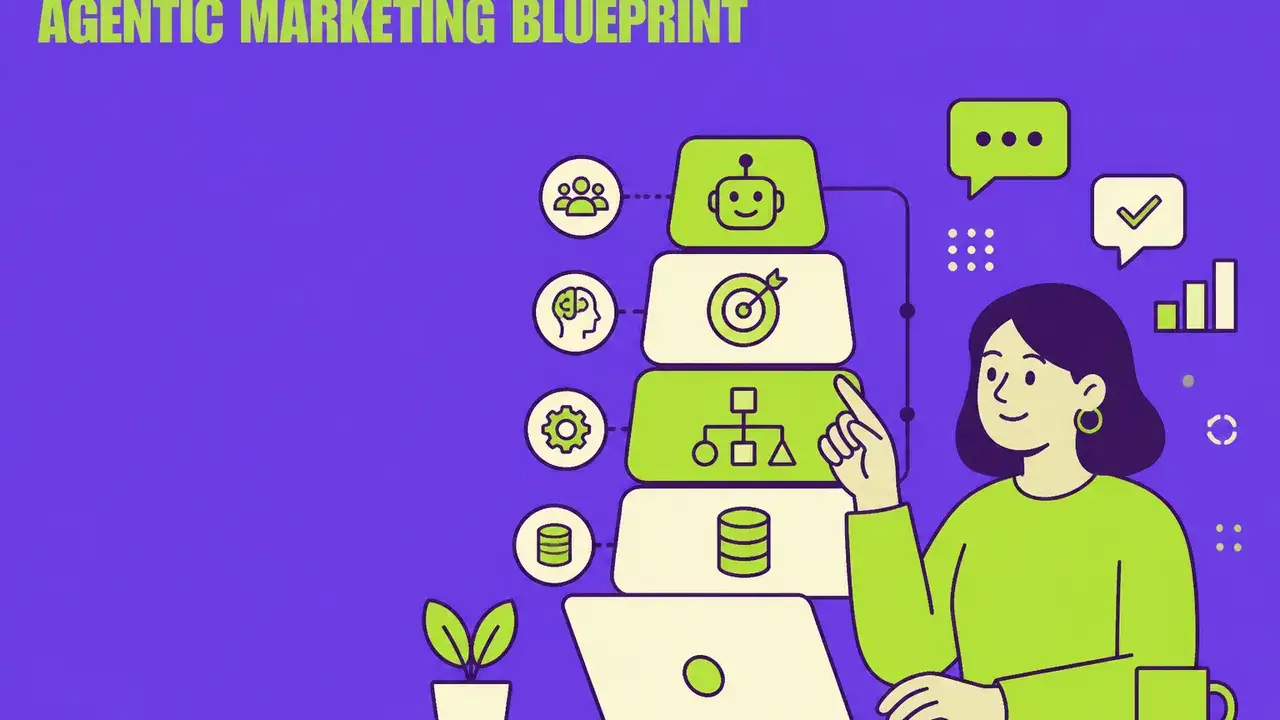
Agentic Marketing Blueprint: The Four Layers of Working Agent Teams
Knowledge, tools, agents, control: the reference architecture marketing organisations converge on in 2026 — including sequence, roles and metrics.
 Strategy
Cutting LLM Inference Cost: The Math Behind Tokens, Latency and Budget
Caching, model routing, context discipline: the full calculation marketing teams use to cut inference cost by 40 to 70 percent without losing quality.
AI solutions by Davies Meyer
From an application to the right delivery
Good AI applications need brand knowledge, a clear idea and the right execution. Davies Meyer brings strategy, creativity, content production and technology together. Creative Engineering is our method for making that collaboration repeatable.
We take responsibility for the concept and quality.