Apple Intelligence Reboot: The WWDC 2026 Strategy
In short
What Apple plans with the Siri-ChatGPT reboot – and how it positions against Gemini Spark.
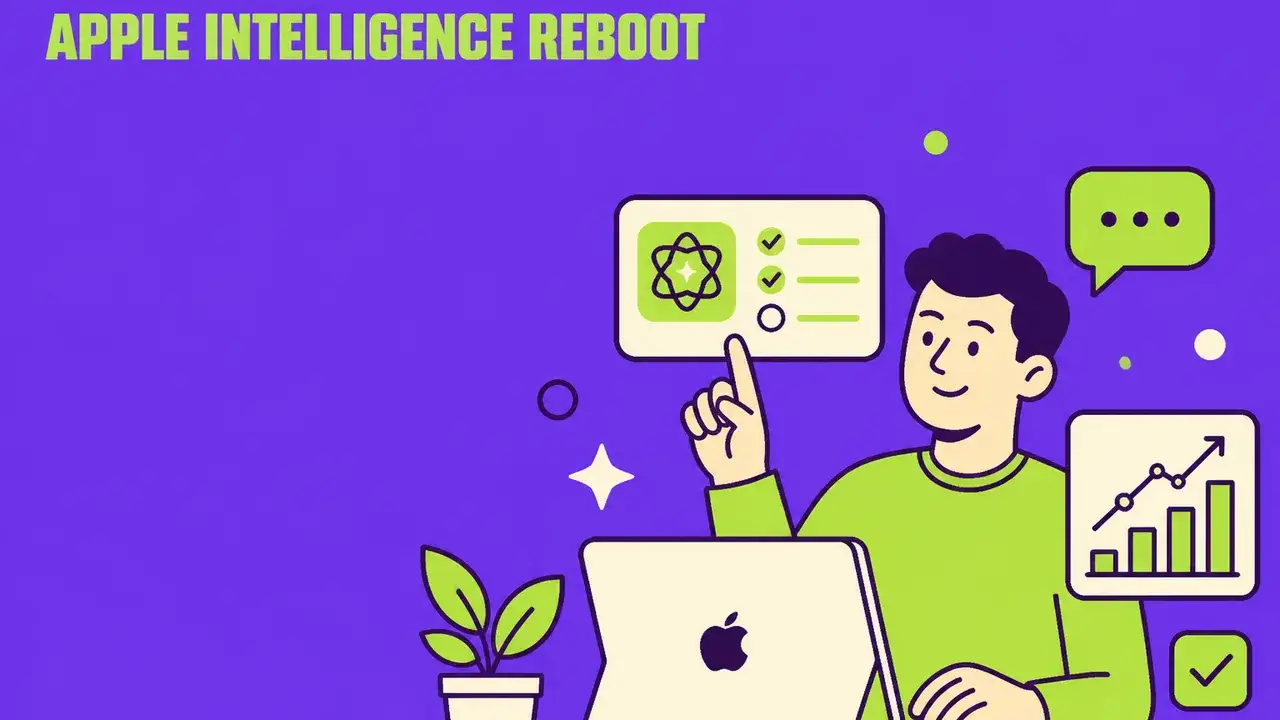
Table of Contents
Apple's second shot: what's at stake in the WWDC 2026 reboot
Apple Intelligence of 2024 failed. The "Apple Intelligence Reboot" emerging ahead of WWDC 2026 is Apple's serious attempt not to be steamrolled by Google and OpenAI. Bloomberg, Mark Gurman and several supply-chain reports point in the same direction: a fundamental Siri rearchitecture, deeper ChatGPT and Claude integration, and a new on-device LLM-class model.
Three building blocks that change everything
1. LLM-based Siri 2.0. The old intent-based Siri will be replaced by a full on-device LLM – codename "Veritas". Expected is a 30-40B parameter Mixture-of-Experts architecture running on the Neural Engine of the A19/M5 generation. Siri will, for the first time, handle free conversation, tool use and visual reasoning.
2. Dual-LLM strategy. What started with ChatGPT in 2024 becomes a platform in 2026: Anthropic Claude 4.6 and likely Google Gemini 3.1 are available as optional "power models" for complex queries – with explicit per-query consent and a privacy layer that does not transmit sensitive data.
3. App Intents 2 + Computer Use. Apple opens the App Intents API for agentic invocations: Siri can not only launch third-party apps but execute actions inside them – the iOS equivalent of Claude Computer Use.
Why the stakes are higher this time
Three factors make the reboot strategic:
- Google Gemini Spark rolls out in parallel on Android and sets the benchmark for proactive agent behavior.
- iOS 27 must elevate ChatGPT integration from gimmick to standard layer – otherwise younger users drift to App Store workarounds (Perplexity, ChatGPT, Claude apps).
- EU Digital Markets Act 2026 forces Apple to open up: default assistants become user-selectable. Whoever lacks a competitive own solution in 2026 will see market share migrate.
What marketing teams should take away
Apple is the only platform seriously staging privacy as competitive advantage. Three direct consequences:
On-device AI becomes standard for customer apps. If you run your own app, check by Q4 2026 whether personalization, recommendations and classification can run on-device – Core ML Tools 9.0 enables this. Upside: no GDPR risk, no latency overhead.
App Intents as a new interface. Brands should expose their app features as App Intents so Siri – and third-party agents via Shortcuts – can use them agentically. This is the iOS counterpart to AEO prep on Android.
Apple Search Ads ≠ answer visibility. ASA stays CPC advertising in the App Store. Search in Spotlight, Safari and Siri becomes increasingly generative – with the same citation patterns we know from Perplexity and Google AI Mode.
3 scenarios for the WWDC keynote
| Scenario | Probability | Marketing consequence |
|---|---|---|
| Full reboot with Veritas + Claude default | 35% | Implement App Intents fast, evaluate on-device models |
| Incremental update + extended ChatGPT integration | 50% | Continue with dual strategy (own app + web AEO) |
| Delay to iOS 28 | 15% | Android Spark becomes lead platform for agent commerce |
Bottom line
The WWDC reboot decides whether Apple keeps its own playing field in the agent era or is downgraded to a pure hardware shell for foreign AI stacks. For marketers the message is pragmatic: plan for both worlds – Android Spark optimization (AEO + structured data) and iOS App Intent readiness.
Further reading: iOS 27 & Siri-ChatGPT integration · Gemini Spark on Android · On-Device AI Glossary
Frequently Asked Questions
What is "Apple Intelligence Reboot: The WWDC 2026 Strategy" about?
What Apple plans with the Siri-ChatGPT reboot – and how it positions against Gemini Spark.
Apple's second shot: what's at stake in the WWDC 2026 reboot: what matters?
Apple Intelligence of 2024 failed. The "Apple Intelligence Reboot" emerging ahead of WWDC 2026 is Apple's serious attempt not to be steamrolled by Google and OpenAI.
Why the stakes are higher this time: what matters?
Three factors make the reboot strategic: Google Gemini Spark rolls out in parallel on Android and sets the benchmark for proactive agent behavior. iOS 27 must elevate ChatGPT integration from gimmick to standard layer – otherwise younger users drift to App Store workarounds (Perplexity, ChatGPT, Claude apps).
What marketing teams should take away: what matters?
Apple is the only platform seriously staging privacy as competitive advantage. Three direct consequences: On-device AI becomes standard for customer apps. If you run your own app, check by Q4 2026 whether personalization, recommendations and classification can run on-device – Core ML Tools 9.
Related Articles
You might also be interested in these posts
 Trends & Insights
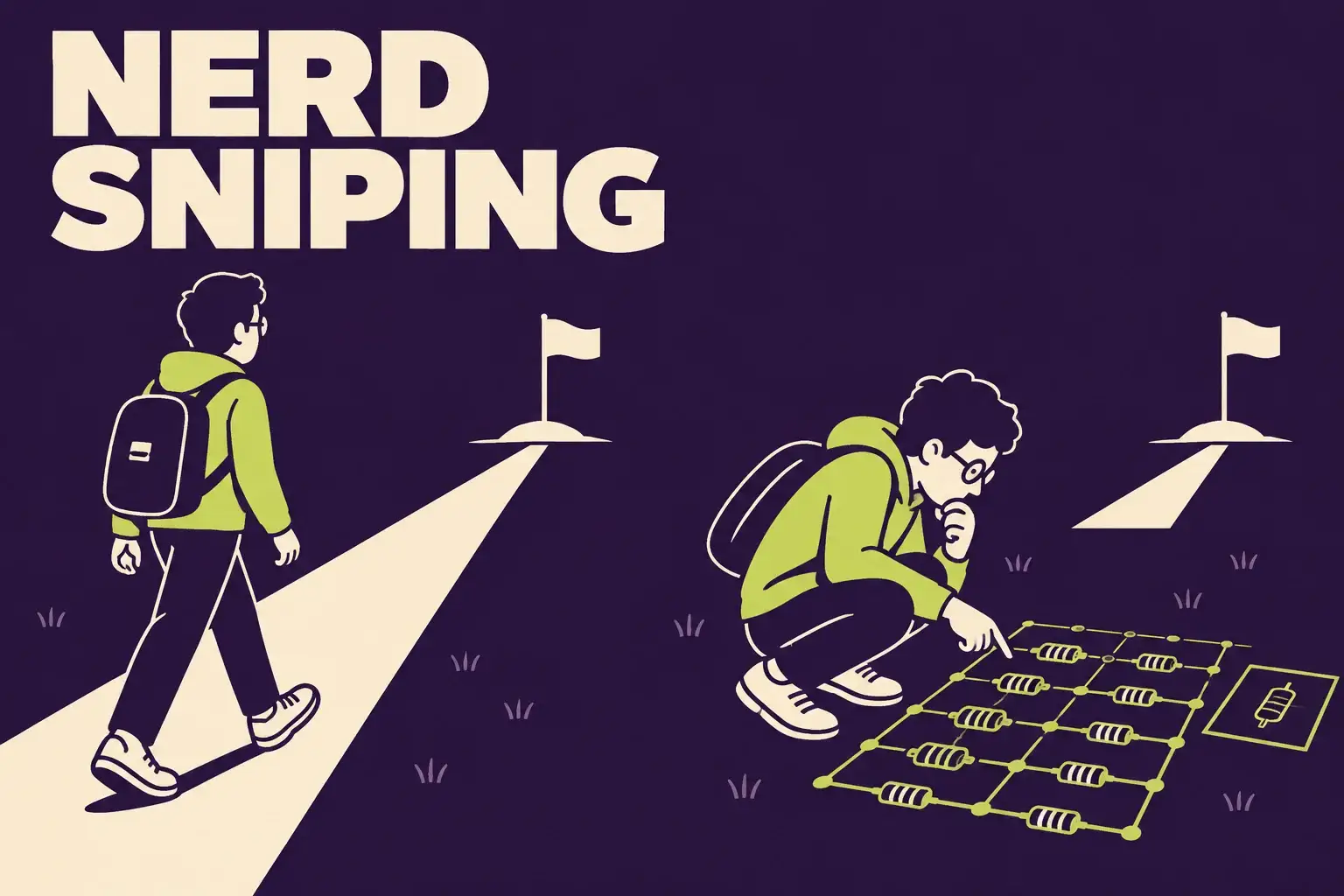
Nerd Sniping: Why Interesting Problems Stall AI Projects
A side problem is too appealing and two weeks are gone. Where the term comes from, why fast prototypes amplify it and which four rules make curiosity useful.
 Trends & Insights
Omarchy: When the Operating System Itself Becomes Agentic
DHH's Linux for the age of agents: malleable software, an agent with system access, a plugin ecosystem. What marketing and technology teams should take from it — and which permissions come first.
 Trends & Insights
Meta's "Muse": What Autonomous Long-Horizon Agents Change for Companies
From prompt to delegated goal: long-term memory, confidential execution, sentinel agents and revenue share — assessed soberly, with a concrete path for marketing teams.