Google Targets AI Mass Content and Fake Authors
In short
Google warns against fake authors and content without value. A checklist for accountability, evidence and original contributions in AI-assisted production.
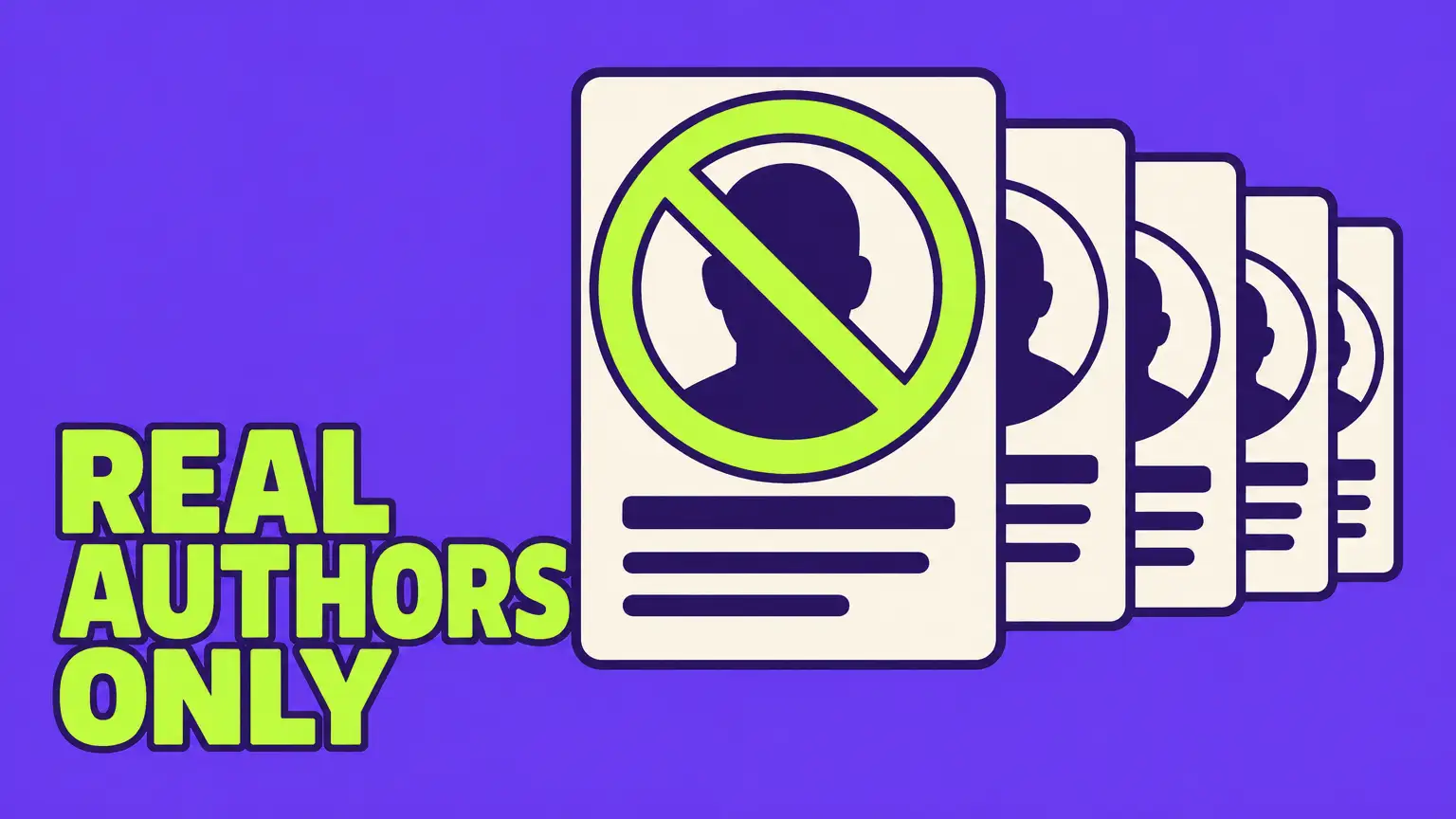
Table of Contents
Google's current helpful-content guidance explicitly calls fabricated author profiles deception. For teams producing content with AI, accountable authorship and useful main content therefore matter (Google Search Central).
1) What Google actually requires
Google identifies invented names, AI-generated headshots and false credentials used to imply human expertise as deceptive authorship. Such deception is a low-quality signal for users and automated systems. Its guidance also asks whether the main content provides a useful, original answer (Google Search Central).
2) How this fits with scaled content abuse
Google's spam policies already cover scaled content abuse: many pages produced mainly to rank, whether by people or machines (Google Search Central). The authorship guidance complements that quality requirement: mass content should not hide behind invented experts.
The key point: AI as a tool is not the problem. Volume without original contribution and false claims about who wrote something are.
3) What we take from it for our own content
We produce content with AI support ourselves. That leads to the following editorial checklist:
- Real authors only. Before publishing, verify that every byline identifies a real person accountable for the text. No generated portraits, no invented titles.
- Disclose AI involvement. Our AI transparency page describes how AI is used.
- An original contribution per page. Every page needs something not found elsewhere: an assessment, an example, a tool, a decision aid.
- No invented figures. Evidence is linked; what cannot be supported is not claimed.
- Merge thin pages. Duplicate terms redirect to one main page instead of competing side by side.
4) Checklist for your team
- Are there author profiles of people nobody in the company knows?
- Is the main content at the top — or do readers scroll past introductory text?
- Are there page groups that differ only by one swapped word (cities, industries, tools)?
- Can every figure be traced to a source?
Conclusion
The quality requirement is clear: Google does not judge whether AI was involved, but whether someone stands behind the content and whether it contributes something of its own. For marketing that means fewer pages, real names, supported claims.
Frequently Asked Questions
What is "Google Targets AI Mass Content and Fake Authors" about?
Google warns against fake authors and content without value. A checklist for accountability, evidence and original contributions in AI-assisted production.
What Google actually requires: what matters?
Google identifies invented names, AI-generated headshots and false credentials used to imply human expertise as deceptive authorship. Such deception is a low-quality signal for users and automated systems.
How this fits with scaled content abuse: what matters?
Google's spam policies already cover scaled content abuse: many pages produced mainly to rank, whether by people or machines (Google Search Central). The authorship guidance complements that quality requirement: mass content should not hide behind invented experts.
What we take from it for our own content: what matters?
We produce content with AI support ourselves. That leads to the following editorial checklist: Real authors only. Before publishing, verify that every byline identifies a real person accountable for the text.
Related Articles
You might also be interested in these posts
 Trends & Insights
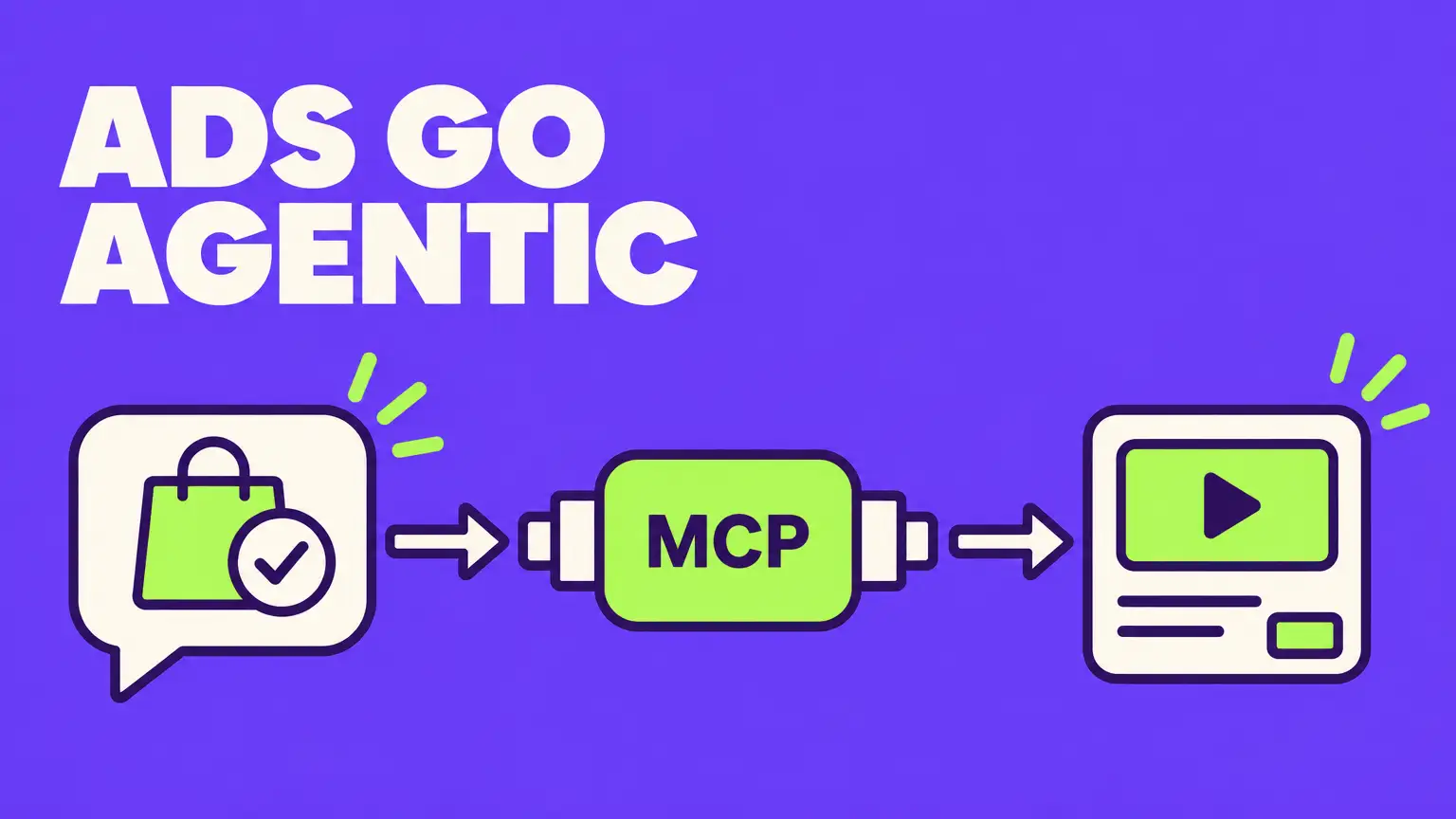
Meta Ads MCP: What the Connection Means for Ad Teams
Meta ads MCP server in Databricks Marketplace: verified availability, possible uses and approval rules for agentic advertising tasks.
 Trends & Insights
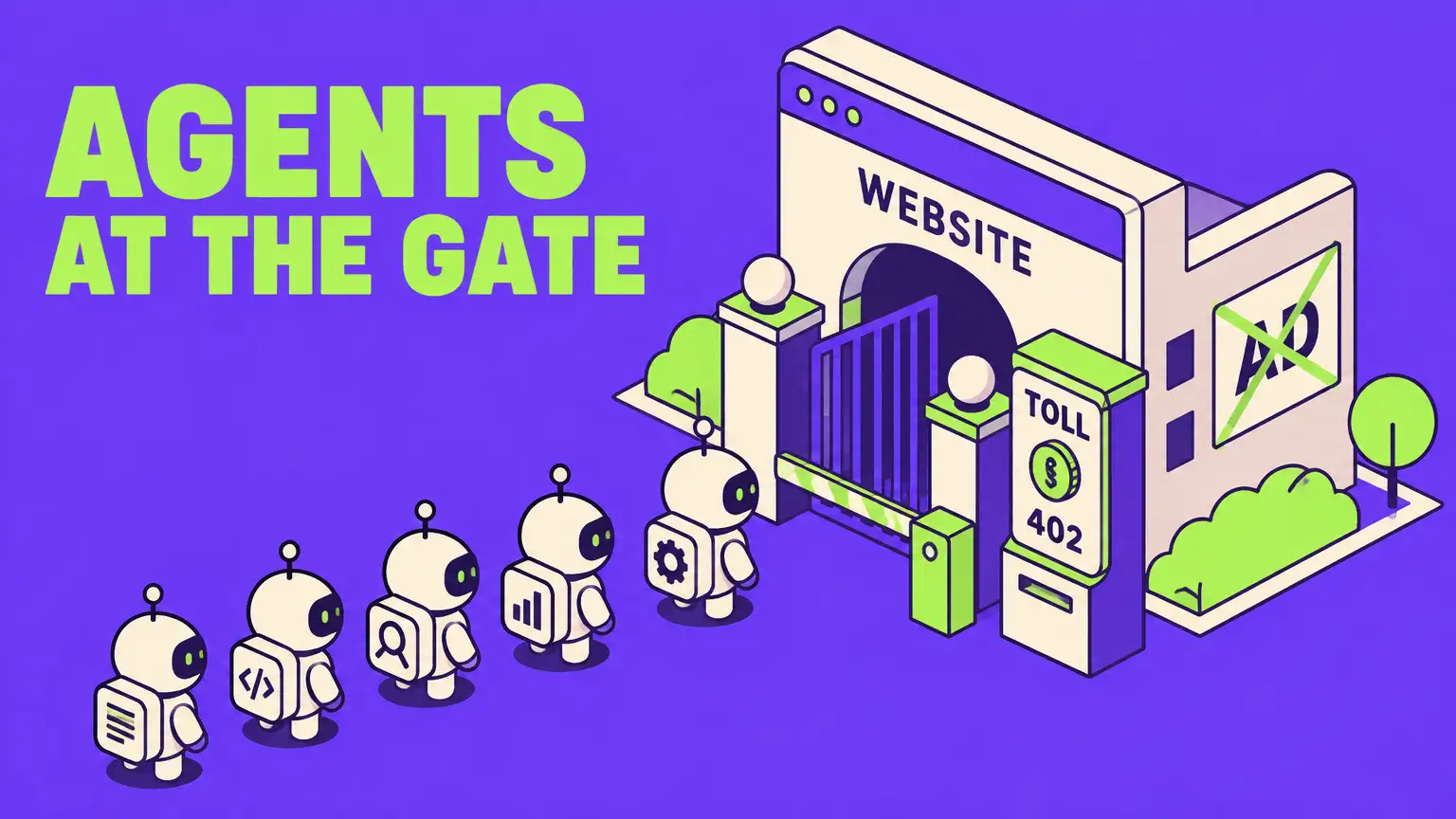
Why Websites Block AI Agents — and What Brands Should Do
Agents do not see ads. Why blocking is mainly a revenue question, how pay per crawl works and which content brands should keep open.
 Trends & Insights
AI Search Optimization (AIO): The End of Traditional SEO?
Google AI Mode, Perplexity and ChatGPT Search are fundamentally changing search. How brands optimize their content for AI search engines – the complete AIO guide.