The 5 Most Important AI Trends in Marketing for 2025: What You Need to Know
In short
From multimodal AI to autonomous marketing agents: These trends will shape marketing in 2025 and transform your business.
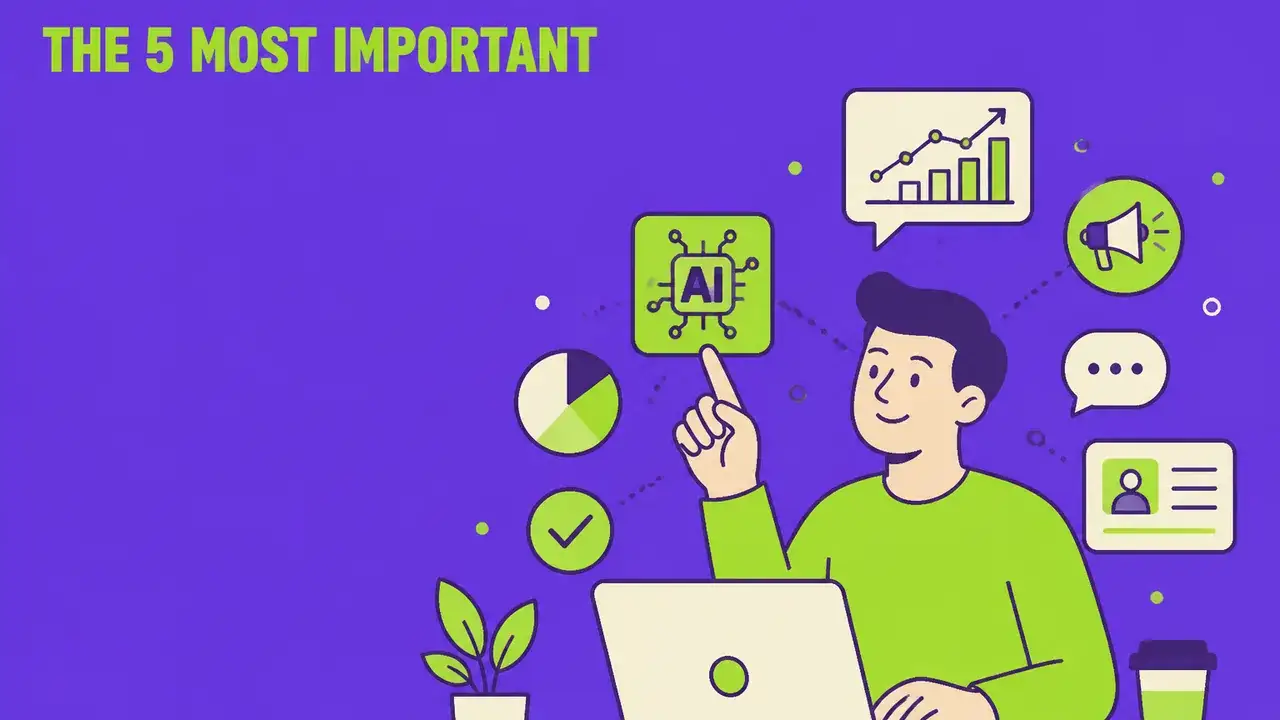
The Future of AI Marketing: 2025 Will Be the Year of Transformation
2025 marks a turning point in the evolution of AI marketing. After years of experiments and pilot projects, AI is becoming an indispensable core component of modern marketing strategies. The technologies we present here will not only increase efficiency but fundamentally change the way marketing works.
Trend 1: Multimodal AI Systems Revolutionize Content Creation
What is it? Multimodal AI systems can process and generate text, image, video, and audio simultaneously. Unlike specialized tools (text AI, image AI, video AI), these systems understand the relationship between different media forms.
Why is this important? Finally, marketers can think campaigns without having to think about formats. AI automatically translates a core idea into all relevant formats – consistent in message and style.
Concrete applications 2025:
- Automatic campaign adaptation: A video is automatically converted into social clips, GIFs, thumbnails, and accompanying texts
- Real-time content personalization: Websites adapt not only text but also images and videos to the visitor
- Accessible content: Automatic generation of subtitles, audio descriptions, and alternative formats
- Cross-media storytelling: A story is told coherently across newsletter, social media, video, and podcast
What does this mean for your team?
- Less specialization needed – generalists become more valuable
- Content production accelerates by factor 5-10x
- Creatives can focus on strategy and conception
- Budgets shift from production to strategy
Trend 2: Autonomous Marketing Agents Take Over Operational Tasks
What is it? Autonomous marketing agents are AI systems that not only execute individual tasks but independently plan and execute complex workflows. They learn from results and continuously optimize themselves.
The difference from previous automation:
- Before: Rule-based automation ("If X, then Y")
- 2025: Goal-based agents ("Optimize for goal Z and find the best way yourself")
Concrete applications:
- Campaign management: Agent autonomously plans, runs, and optimizes ads based on targets
- Budget allocation: Continuous reallocation of budgets to the best-performing channels
- Content scheduling: Intelligent timing based on real-time engagement data
- Lead nurturing: Personalized communication sequences that adapt individually
- Reporting: Automatic creation of reports with action recommendations
Risks and challenges:
- Control and oversight must remain guaranteed
- Transparency: How do you explain to management what the agent decides?
- Quality assurance for autonomous decisions
- Legal responsibility for wrong decisions
Recommendation: Start with "human-in-the-loop" approaches where agents make suggestions but humans make final decisions.
Trend 3: Real-time Personalization at All Levels
The evolution of personalization:
- Level 1 (2015): Segmentation ("Young men see ad A")
- Level 2 (2020): Behavior-based ("Those who clicked X see Y")
- Level 3 (2025): Real-time individual ("Each user sees their optimal variant at this moment")
What enables Level 3?
- Millisecond-fast decisions
- Consideration of context (time of day, weather, current events)
- Learning from immediate feedback
- Cross-device synchronization
Concrete applications 2025:
- Dynamic pricing: Prices that adapt to individual willingness to pay
- Adaptive websites: Layout, images, and text change in real-time
- Personalized products: On-demand customization based on user preferences
- Predictive content: Content is prepared before the user searches for it
Ethical considerations: The line between "helpfully personalized" and "creepily monitored" is fluid. Transparency and opt-out options are essential for sustainable success.
Trend 4: Ethical AI & Transparency Become Competitive Factor
The shift in consumer awareness: Studies show: 72% of consumers want to know when they interact with AI. 65% distrust brands that hide AI usage. Transparency moves from nice-to-have to must-have.
Regulatory developments:
- EU AI Act with clear labeling requirements
- Industry standards for "Responsible AI Marketing"
- Stricter data protection requirements
What companies must do now:
- AI Disclosure Policy: Clear guidelines on when and how AI usage is communicated
- Bias audits: Regular review of AI systems for biases
- Opt-out mechanisms: Customers must be able to decline AI personalization
- Data minimization: Only collect and process necessary data
- Human oversight: Don't fully automate important decisions
The business case for ethical AI:
- Higher customer trust
- Lower regulatory risk
- Better employee recruitment (meaningfulness)
- Long-term more sustainable customer relationships
Trend 5: Voice & Conversational Marketing Goes Mainstream
The numbers:
- 50% of all search queries will be via voice in 2025
- 35% of households own a smart speaker
- Conversational commerce grows 25% annually
The challenges for marketing:
- Keyword strategies change: Voice search is longer and more natural
- Zero-click searches: The voice assistant answers – no website visit
- Featured snippets: Position 0 is more important than ever
- Local search: "Near me" dominates voice queries
Concrete measures for 2025:
- Optimize content for voice: Natural language, FAQ structure, direct answers
- Implement schema markup: Structured data for voice assistants
- Develop conversational interfaces: Chatbots and voice apps for your brand
- Audio content strategy: Podcasts, audio ads, skill development
The paradigm shift: Marketing becomes dialogue. Instead of sending messages, brands have conversations. This requires:
- Real-time capability
- Context understanding
- Personality and tonality
- Fast, helpful answers
What Does This Mean for Your Company?
Short-term measures (Q1 2025):
- Audit of current AI usage and readiness
- Identification of 2-3 quick-win use cases
- Team training on AI tools and prompting
- First experiments with multimodal content creation
Medium-term measures (H1 2025):
- Development of an AI marketing strategy
- Pilot projects for autonomous agents (with human oversight)
- Voice search optimization of content
- Establishment of ethical guidelines
Long-term transformation (2025+):
- Complete integration of AI into all marketing processes
- Building internal AI competence
- Development of proprietary AI solutions
- Continuous innovation culture
Conclusion: The Time to Act is Now
The five trends we described are not distant future visions – they are happening now. Companies that set the course today will be ahead in 2025 and beyond.
The key to success is not implementing every trend immediately, but:
- Understanding the developments
- Identifying relevant use cases for your own business
- Building competence step by step
- Remaining flexible and willing to experiment
Your next step: Schedule a conversation with our AI experts and learn which of these trends are most relevant for your company – and how you can implement them concretely.
Frequently Asked Questions
What is "The 5 Most Important AI Trends in Marketing for 2025: What You Need to Know" about?
From multimodal AI to autonomous marketing agents: These trends will shape marketing in 2025 and transform your business.
The Future of AI Marketing: 2025 Will Be the Year of Transformation: what matters?
2025 marks a turning point in the evolution of AI marketing. After years of experiments and pilot projects, AI is becoming an indispensable core component of modern marketing strategies.
Trend 1: Multimodal AI Systems Revolutionize Content Creation: what matters?
What is it? Multimodal AI systems can process and generate text, image, video, and audio simultaneously. Unlike specialized tools (text AI, image AI, video AI), these systems understand the relationship between different media forms.
Trend 2: Autonomous Marketing Agents Take Over Operational Tasks: what matters?
What is it? Autonomous marketing agents are AI systems that not only execute individual tasks but independently plan and execute complex workflows. They learn from results and continuously optimize themselves.
Related Articles
You might also be interested in these posts
 Trends & Insights
Google Targets AI Mass Content and Fake Authors
Google warns against fake authors and content without value. A checklist for accountability, evidence and original contributions in AI-assisted production.
 Trends & Insights
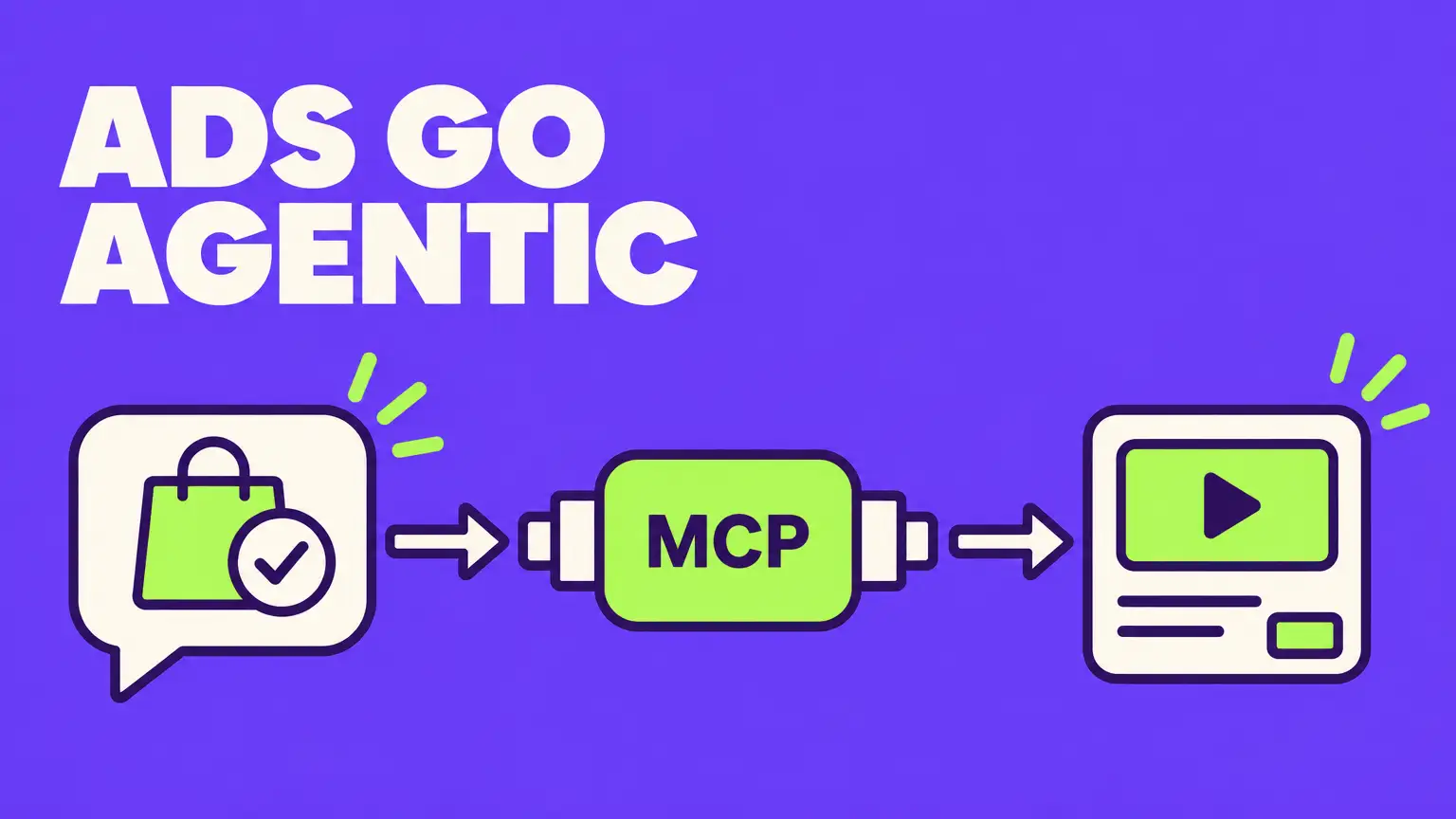
Meta Ads MCP: What the Connection Means for Ad Teams
Meta ads MCP server in Databricks Marketplace: verified availability, possible uses and approval rules for agentic advertising tasks.
 Trends & Insights
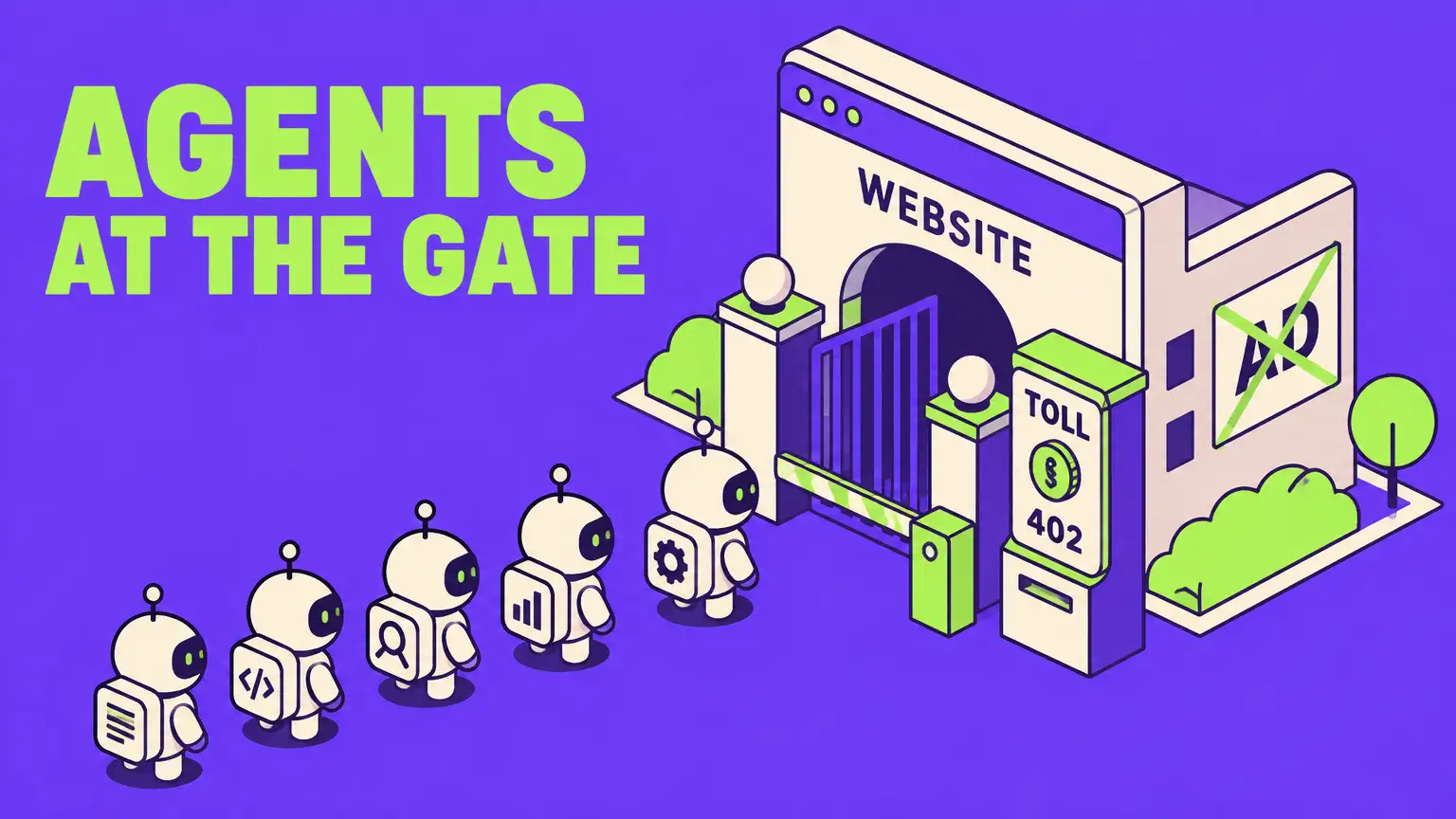
Why Websites Block AI Agents — and What Brands Should Do
Agents do not see ads. Why blocking is mainly a revenue question, how pay per crawl works and which content brands should keep open.