AI in Sales: 10 Use Cases for More Closed Deals in 2026
In short
From lead scoring to automated outreach sequences to churn prevention: 10 immediately actionable AI use cases that help your sales team generate 50% more qualified leads.
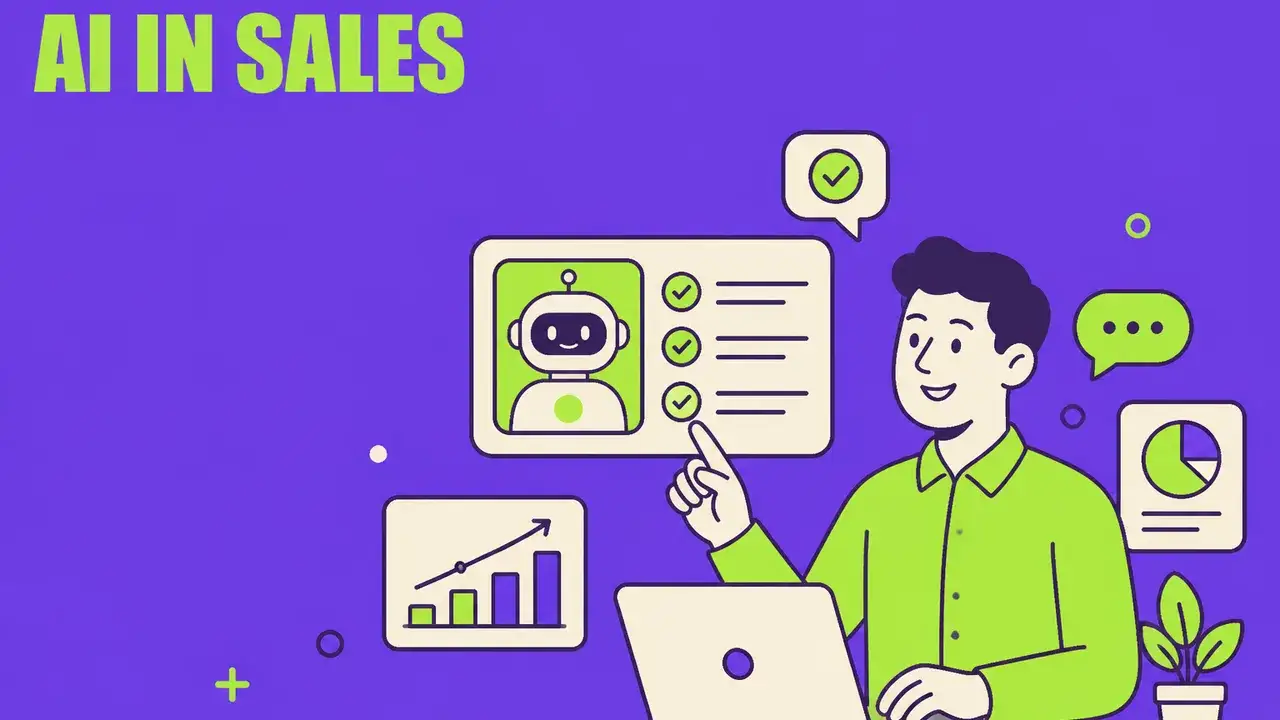
Table of Contents
AI in Sales: Why Now?
Sales is undergoing a paradigm shift in 2026. According to recent studies, 78% of top-performing sales teams already use AI tools – achieving up to 50% more qualified leads. But where exactly should you start?
This guide shows you 10 concrete use cases that are immediately actionable – from lead scoring to automated follow-ups.
1. Intelligent Lead Scoring
The Problem: Your team spends 60% of time on leads that will never buy.
The AI Solution: Machine learning models analyze historical deal data and automatically score leads by closing probability.
Practical Example:
- CRM data + website behavior + email engagement = score from 0–100
- Sales focuses only on leads with score > 70
- Result: 40% higher conversion rate, 25% less wasted time
Tools: HubSpot Predictive Lead Scoring, Salesforce Einstein, Clay
2. Automated Outreach Sequences
The Problem: Writing personalized emails takes 15 minutes per lead.
The AI Solution: LLMs generate hyper-personalized email sequences based on LinkedIn profiles, company news, and previous interactions.
Practical Example:
- AI scans prospect's LinkedIn profile
- Generates 3-step email sequence with personal hook
- Automatic follow-up based on open rates
- Result: 3× higher reply rate than generic templates
Tools: Lavender, Instantly, Smartlead, Apollo.io
3. Meeting Prep in 2 Minutes
The Problem: Thorough preparation for a sales call takes 30–45 minutes.
The AI Solution: AI assistants create a complete briefing in seconds: company profile, recent news, decision-maker info, potential pain points.
Practical Example:
- Input: Company name + contact person
- Output: 1-page briefing with conversation guide
- Including: Latest quarterly figures, industry trends, competitive landscape
- Result: Better conversation quality, higher win rate
Tools: Claude (with web access), Perplexity Pro, ChatGPT Deep Research
4. AI-Powered Call Coaching
The Problem: Managers can't sit in on every call. Feedback comes too late.
The AI Solution: Conversation intelligence analyzes sales calls in real-time: talk ratio, objection handling, next steps, sentiment.
Practical Example:
- AI transcribes every call automatically
- Analyzes: talk ratio (ideal: 40/60), question quality, buying signals
- Creates coaching recommendations per rep
- Result: 27% improvement in win rate after 3 months
Tools: Gong, Chorus (ZoomInfo), Fireflies.ai, tl;dv
5. Automatic CRM Maintenance
The Problem: Sales reps spend 28% of their time on CRM data entry instead of selling.
The AI Solution: AI automatically captures emails, calls, and meetings, updating CRM fields – without manual input.
Practical Example:
- After every call: automatic summary + CRM update
- Email conversations automatically assigned to the right deal
- Pipeline status suggested based on communication patterns
- Result: 5+ hours per week recovered per rep
Tools: HubSpot AI, Salesforce Einstein Activity Capture, Folk CRM
6. Proposal Creation in Minutes
The Problem: A custom proposal takes 2–4 hours.
The AI Solution: AI generates tailored proposals based on meeting notes, customer requirements, and best-practice templates.
Practical Example:
- Input: Meeting transcript + product catalog + price list
- Output: Complete proposal with executive summary, solution, ROI calculation, pricing
- Automatic adaptation to industry and company size
- Result: 80% faster proposal creation, more consistent quality
Tools: Claude Opus, Qwilr, PandaDoc AI, Proposify
7. Competitive Analysis on Demand
The Problem: The prospect already uses a competitor – and you don't know how to differentiate.
The AI Solution: AI creates real-time battlecards with differentiation points, competitor weaknesses, and counter-arguments.
Practical Example:
- "Create a battlecard against [Competitor X]"
- AI analyzes: website, G2 reviews, pricing, feature comparison
- Generates: talking points, objection handling, win stories
- Result: 35% higher win rate against identified competitors
Tools: Klue, Crayon, Claude with web access
8. Predictive Forecasting
The Problem: Revenue forecasts are based on gut feeling and optimistic estimates.
The AI Solution: Machine learning analyzes historical patterns, pipeline health, and engagement signals for precise forecasts.
Practical Example:
- AI analyzes: email engagement, meeting frequency, stakeholder involvement
- Predicts closing probability per deal
- Identifies "at risk" deals early
- Result: 95% forecast accuracy vs. industry-standard 50%
Tools: Clari, BoostUp, Salesforce Einstein Forecasting
9. Automated Social Selling
The Problem: Building LinkedIn presence takes time away from selling.
The AI Solution: AI generates LinkedIn posts, strategically comments on prospect content, and identifies buying signals in social media.
Practical Example:
- AI creates 3 LinkedIn posts per week based on industry insights
- Identifies job changes, funding rounds, expansion news at target accounts
- Suggests contextual comments
- Result: 4× more inbound inquiries via LinkedIn
Tools: Taplio, Shield Analytics, Phantombuster, Claude
10. After-Sales: Churn Prevention
The Problem: Customers churn before you notice something is wrong.
The AI Solution: AI detects churn signals early: usage decline, support tickets, sentiment changes in communication.
Practical Example:
- AI monitors: login frequency, feature usage, support requests, NPS
- Alerts when churn risk > 60%
- Suggests proactive measures (check-in call, feature training, upgrade offer)
- Result: 30% less churn, 20% higher customer lifetime value
Tools: Gainsight, ChurnZero, Totango
The Hybrid Approach: Human + AI
The best sales teams in 2026 don't rely on "AI instead of humans" but on "AI + humans":
| Task | Human | AI |
|---|---|---|
| Relationship building | ✅ | ❌ |
| Negotiation | ✅ | ❌ |
| Data analysis | ❌ | ✅ |
| CRM maintenance | ❌ | ✅ |
| Strategic consulting | ✅ | 🤝 Support |
| Personalization | 🤝 Approval | ✅ Generation |
Quick Start: Productive in 30 Days
Week 1–2: Set up CRM automation (Use Case #5) Week 2–3: Activate lead scoring (Use Case #1) Week 3–4: Automate email outreach (Use Case #2)
Tip: Start with the use case that saves you the most manual work – not the "coolest" feature.
Conclusion: AI Is a Multiplier, Not a Replacement
AI in sales doesn't replace good salespeople – it makes them faster, better-informed, and more focused. The 10 use cases in this guide can be implemented individually or combined. ROI is measurable in most cases within 4–8 weeks.
The question is no longer whether AI will be used in sales – but how quickly your team gets started.
Frequently Asked Questions
What is "AI in Sales: 10 Use Cases for More Closed Deals in 2026" about?
From lead scoring to automated outreach sequences to churn prevention: 10 immediately actionable AI use cases that help your sales team generate 50% more qualified leads.
AI in Sales: Why Now?
Sales is undergoing a paradigm shift in 2026. According to recent studies, 78% of top-performing sales teams already use AI tools – achieving up to 50% more qualified leads.
Intelligent Lead Scoring: what matters?
The Problem: Your team spends 60% of time on leads that will never buy. The AI Solution: Machine learning models analyze historical deal data and automatically score leads by closing probability.
Automated Outreach Sequences: what matters?
The Problem: Writing personalized emails takes 15 minutes per lead. The AI Solution: LLMs generate hyper-personalized email sequences based on LinkedIn profiles, company news, and previous interactions.
Related Articles
You might also be interested in these posts
 Strategy
Search Console Generative AI Reports: How to Read AI Impressions Correctly
Rolled out worldwide since August 2026: what Google Search Console's new AI reports show, what they hide, and how to measure GEO properly anyway.
 Strategy
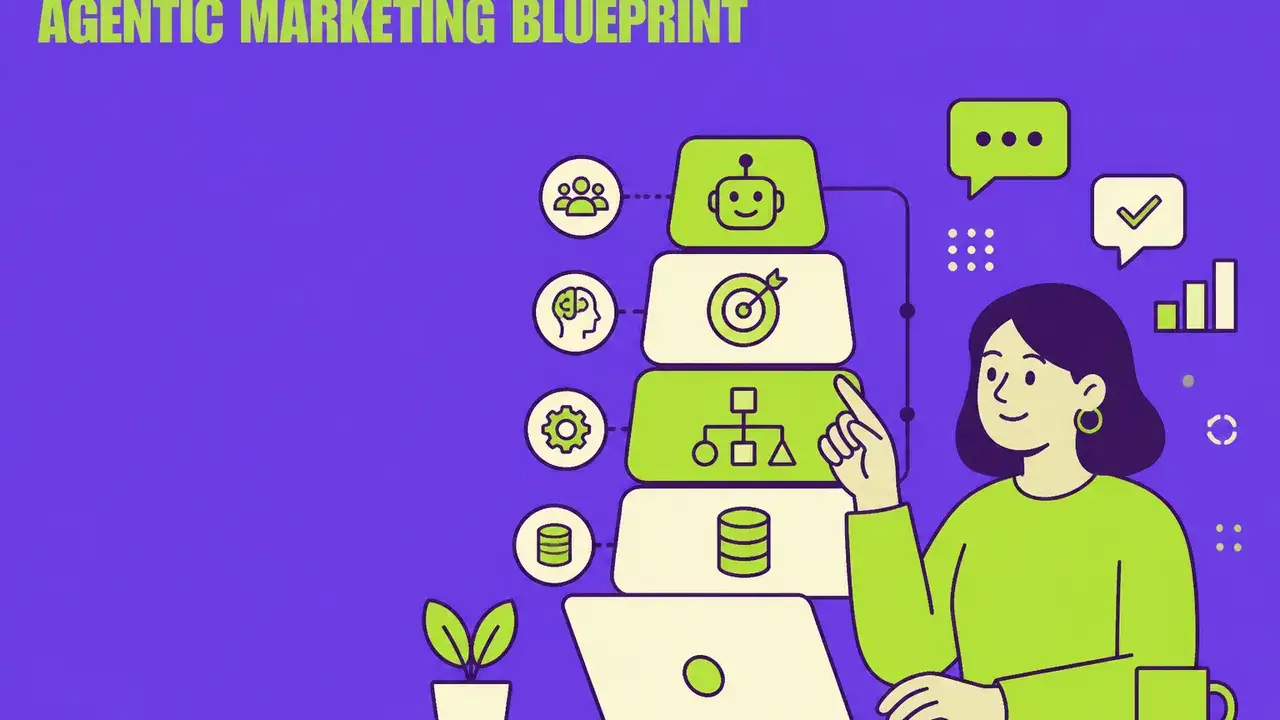
Agentic Marketing Blueprint: The Four Layers of Working Agent Teams
Knowledge, tools, agents, control: the reference architecture marketing organisations converge on in 2026 — including sequence, roles and metrics.
 Strategy
Cutting LLM Inference Cost: The Math Behind Tokens, Latency and Budget
Caching, model routing, context discipline: the full calculation marketing teams use to cut inference cost by 40 to 70 percent without losing quality.