GEO: Generative Engine Optimization – The End of SEO As We Know It
In short
How to optimize your content for ChatGPT, Perplexity and Google AI Overviews. The ultimate guide to GEO and AEO for marketing professionals in 2025.

Table of Contents
The Silent Revolution of Search
Something fundamental is happening right now: The way people search for and find information is changing radically. Instead of scrolling through 10 blue links, more and more users simply ask ChatGPT, Perplexity, or Claude – and get a precise answer immediately.
The numbers are clear:
- 40% of Gen Z already use TikTok and AI instead of Google for searches
- ChatGPT has over 100 million weekly users
- Google's AI Overviews appear on 25% of all search queries
- Zero-click searches have reached 65% of all Google searches
What does this mean for your marketing? SEO isn't dead – but it's transforming. Welcome to the era of Generative Engine Optimization (GEO).
What is GEO? The New Discipline Explained
Generative Engine Optimization (GEO) is the strategic optimization of content so that it is recognized, cited, and used as a source by AI systems – so-called Answer Engines – in generated responses.
While traditional SEO aims to rank in search results, GEO aims to be cited in AI-generated answers.
GEO vs. SEO vs. AEO: The Differences
| Aspect | SEO (Classic) | AEO | GEO |
|---|---|---|---|
| Goal | Ranking in SERPs | Featured Snippets | AI Citations |
| Focus | Keywords & Links | Direct Answers | Citability |
| Metrics | Position, CTR | Position Zero | Citation Rate |
| Platforms | Google, Bing | Google, Voice | ChatGPT, Perplexity, Claude, Gemini |
| Content Type | Keyword-optimized | Q&A Format | Authoritative, structured |
Answer Engine Optimization (AEO) is the predecessor to GEO, focusing on optimization for Voice Search and Featured Snippets. GEO goes a step further and optimizes for fully generative AI systems.
The Science Behind GEO: What Really Works?
A groundbreaking study by researchers from Princeton, Georgia Tech, and IIT Delhi systematically examined which strategies actually work when optimizing for generative engines.
The 9 Proven GEO Strategies (by Effectiveness)
| # | Strategy | Effectiveness | Description |
|---|---|---|---|
| 1 | Include Statistics & Numbers | +40% | Concrete data and percentages massively increase credibility |
| 2 | Expert Quotes | +35% | Direct quotes from recognized authorities |
| 3 | Simple Language | +30% | Clear, understandable formulations instead of jargon |
| 4 | Authoritative Claims | +28% | Confident, factual statements |
| 5 | Source Citations | +25% | Links to primary data sources |
| 6 | Structured Data | +22% | Schema.org markup and clear hierarchies |
| 7 | Technical Terms | +18% | Domain-specific terminology (context-dependent) |
| 8 | Unique Insights | +15% | Original data and unique perspectives |
| 9 | Timeliness | +12% | Regular updates and date specifications |
Source: "GEO: Generative Engine Optimization" Research Paper, 2024
The GEO Framework: 6 Pillars of Optimization
Pillar 1: Citability
AI systems cite content that is rated as trustworthy and citation-worthy. This means:
Practical Measures:
- Clear author profiles with proof of expertise
- Structured About pages with credentials
- Consistent NAP data (Name, Address, Phone)
- Schema.org Person and Organization markup
- External validation (press mentions, citations)
Example: Instead of "An expert says..." write "Dr. Maria Smith, Professor of Digital Marketing at Hamburg University, explains: ..."
Pillar 2: Information Gain
Information Gain describes the unique added value your content provides – information that cannot be found anywhere else.
How to Create Information Gain:
- Conduct your own studies and data collection
- Develop proprietary frameworks and methods
- Exclusive interviews and expert insights
- Original analyses of known data
- Share first-party data insights
Important: AI systems recognize regurgitated content. Only truly original insights are classified as valuable and cited.
Pillar 3: Structural Clarity
Generative engines extract information based on clear structure:
Best Practices:
- Clear H1-H6 hierarchy
- Concise paragraphs (3-5 sentences max)
- Bullet points for lists and enumerations
- Tables for comparisons and data
- FAQ sections with direct answers
- TL;DR summaries
Note: Schema.org markup (Article, Speakable, FAQ) is automatically generated by the website infrastructure and does not need to be manually embedded.
Pillar 4: Semantic Depth
AI systems understand context better than ever. This means:
Semantic Optimization:
- Complete topic coverage (Topic Clusters)
- Natural keyword integration
- Use synonyms and related terms
- Clearly define and link entities
- Contextual relevance over keyword density
Example: An article about "Marketing Automation" should naturally include terms like "Customer Journey", "Lead Nurturing", "Trigger-based Emails", and "CRM Integration".
Pillar 5: Multi-Format Presence
Generative engines aggregate from various sources and formats:
Content Mix for Maximum Visibility:
- Long-form articles (2,000+ words)
- Video content with transcripts
- Podcast episodes with show notes
- Infographics with alt text
- Interactive tools and calculators
- Social media presence (LinkedIn, X)
Pillar 6: Trust Signals
E-E-A-T (Experience, Expertise, Authoritativeness, Trustworthiness) remains central:
Trust Checklist:
- Author with proven expertise
- External links to authoritative sources
- Regular content updates
- Transparent source citations
- HTTPS and technical security
- Privacy compliance (GDPR)
- Imprint and contact details
Practical GEO Checklist for Every Article
Before Creation
- Research what AI systems currently answer about your topic
- Identify information gaps (Information Gain Potential)
- Collect original data, statistics, or quotes
During Creation
- Write a concise introductory paragraph (often cited)
- Integrate 3-5 concrete statistics with source citations
- Include expert quotes with full name and title
- Structure with clear H2/H3 headings
- Create at least one table with comparison data
- Answer the 5 W questions directly
After Publication
- Implement complete Schema.org markup
- Test whether AI systems cite your content
- Track citation mentions in Perplexity and ChatGPT
- Regularly update with new data
The Tools for GEO Monitoring
Since traditional SEO tools don't cover GEO, new solutions are emerging:
| Tool | Function | Price |
|---|---|---|
| Profound | AI citation tracking, Answer Engine Insights | Enterprise |
| Perplexity API | Direct citation monitoring | Pay-per-use |
| Otterly.ai | AI Search Monitoring | From $99/month |
| Scrunch AI | ChatGPT & Perplexity Tracking | Beta |
DIY Method: Manual Monitoring
- Search your core topics in ChatGPT, Perplexity, Claude
- Check if your brand/domain is cited
- Document citations and their context
- Analyze which competitors are being cited
- Identify optimization potential
GEO for Different Content Types
Blog Articles
- Concise introduction with core message
- Data-driven argumentation
- Clear takeaways at the end
- FAQ section
Product Pages
- Technical specifications structured
- Comparison tables to alternatives
- User reviews and testimonials
- Schema.org Product markup
Company Pages
- Clear value proposition
- Team profiles with credentials
- Case studies with measurable results
- Organization Schema
The Future: What Comes After GEO?
The evolution continues:
2025-2026: Answer Engine Dominance
- ChatGPT Search increasingly replaces Google searches
- AI Overviews become standard
- Voice search via smart glasses
2027+: Agentic Search
- AI agents research independently
- Multi-step reasoning for complex questions
- Personalized Knowledge Graphs
Conclusion: GEO is not a temporary tactic but the foundation for long-term digital visibility.
Conclusion: GEO is Not Optional
The transformation from Search Engines to Answer Engines cannot be stopped. Companies that invest in GEO now secure first-mover advantages in a world where visibility is no longer defined by Position 1 in Google, but by AI citations.
Your Next Steps:
- Audit: Check if your content is currently being cited by AI systems
- Prioritize: Identify your most important content pieces for GEO optimization
- Implement: Apply the 6 GEO pillars to your top content
- Measure: Establish citation monitoring
- Iterate: Continuously optimize based on results
The question is no longer whether you should do GEO – but how quickly you start.
Frequently Asked Questions
What is "GEO: Generative Engine Optimization – The End of SEO As We Know It" about?
How to optimize your content for ChatGPT, Perplexity and Google AI Overviews. The ultimate guide to GEO and AEO for marketing professionals in 2025.
The Silent Revolution of Search: what matters?
Something fundamental is happening right now: The way people search for and find information is changing radically. Instead of scrolling through 10 blue links, more and more users simply ask ChatGPT, Perplexity, or Claude – and get a precise answer immediately.
What is GEO? The New Discipline Explained: what matters?
Generative Engine Optimization (GEO) is the strategic optimization of content so that it is recognized, cited, and used as a source by AI systems – so-called Answer Engines – in generated responses.
GEO vs. SEO vs. AEO: The Differences: what matters?
Answer Engine Optimization (AEO) is the predecessor to GEO, focusing on optimization for Voice Search and Featured Snippets. GEO goes a step further and optimizes for fully generative AI systems.
Related Articles
You might also be interested in these posts
 Strategy
Google AI Mode & the Death of 10 Blue Links – GEO as the New SEO Discipline
Google AI Mode replaces traditional search with AI answers. Learn how Generative Engine Optimization (GEO) works and how to secure your brand visibility in the AI era.
 Strategy
Visibility in AI Search and Agentic Commerce: What Counts in 2026 Instead of Rankings
Citation share instead of click-through rate, product attributes instead of images: the complete guide to visibility in AI answers and with shopping agents.
 Strategy
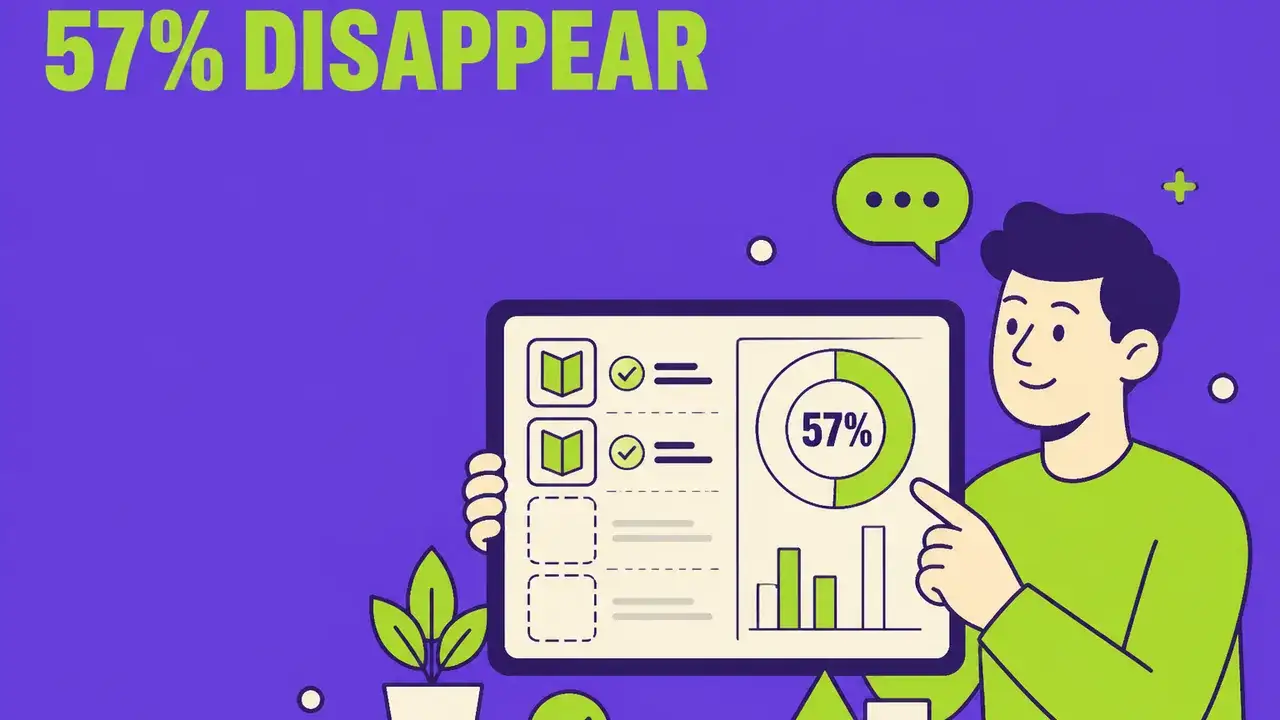
57% Disappear: Why Your Guides Drop Out of AI Search
An analysis of 2.4M citations shows: comparison pages survive, complete guides die after a month.