The Agentic Stack 2026: 20 Tools That Carry Agentic Development
In short
Supabase, Vercel, Inngest, Langfuse, Attio and 15 more: the five layers of an agentic stack, what each tool does, where the limits are — and four criteria for your own selection.
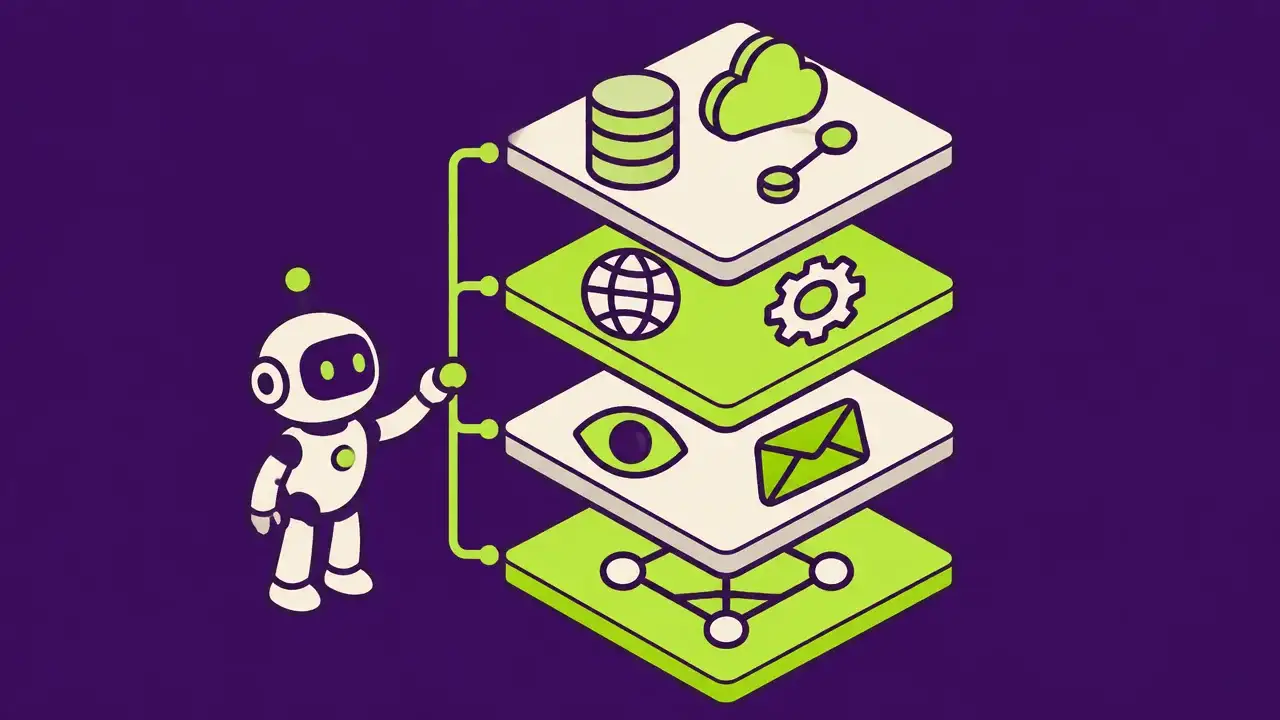
Table of Contents
Anyone working with agents in 2026 notices quickly: the model is the smallest part of the problem. A prototype takes an afternoon. A process you can commit to in front of a client needs something else — a data layer, reliable delivery, a secured runtime, traceability and a route by which results reach business systems.
That is what "agentic stack" means. The twenty tools below are sorted by category — backend, frontend, infrastructure, AI tools, DevOps and business processes. Each tool has its own glossary entry with definition, limits and sources.
1) Why the stack shifted
Three developments changed the requirements.
First, runs break. An agent calling twelve tools in sequence eventually fails at number nine — timeout, rate limit, invalid response. Without checkpointed steps it expensively starts over.
Second, agents execute code. That makes the execution environment a security question, not a convenience question.
Third, quality can no longer be asserted. As soon as an agent touches customers, acceptance needs numbers: error rate on a fixed test set, cost per request, duration per step.
The grouping follows from those three points.
2) Backend and data
This is what an agent knows and remembers — and where the damage of a wrong move is decided.
Supabase
Postgres with auth, storage, functions and vector search via pgvector. For agents usually both knowledge base and state store. The actual security anchor is row level security — not the app in front of it.
Neon
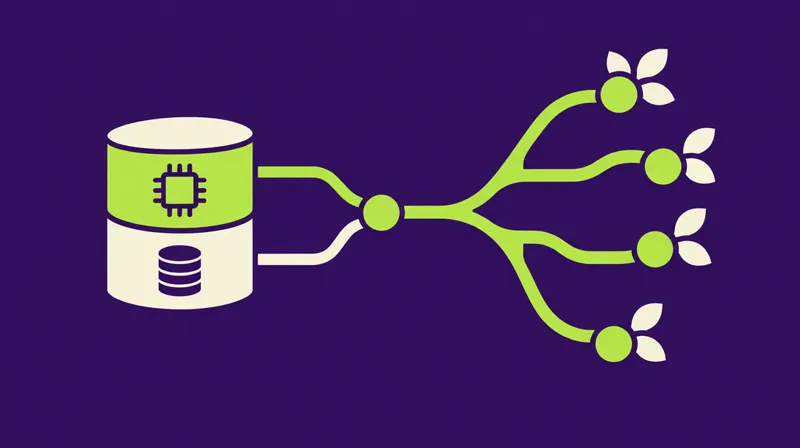
Serverless Postgres with branching. Every agent attempt gets its own database copy instead of access to production. That is the cheapest form of damage control.
3) Frontend and delivery
The layer that decides whether an agent-generated change is reviewed before it reaches customers.
Vercel
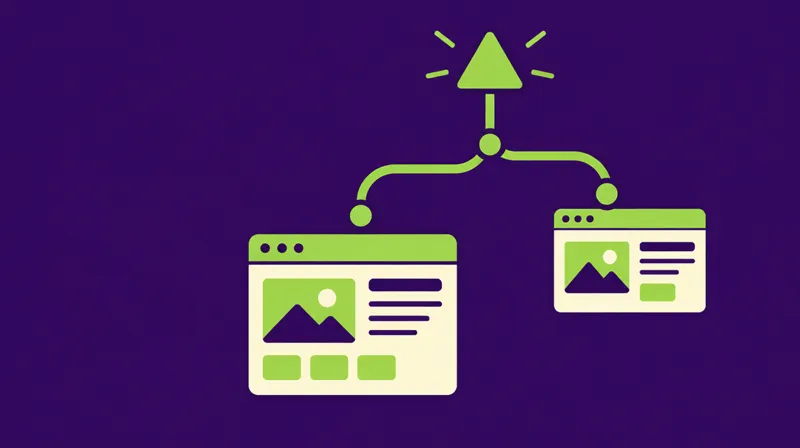
Delivery with a preview per branch. The underrated governance benefit: an agent-generated change is reviewable before it goes live. Function regions default and must be set deliberately for EU data.
Netlify
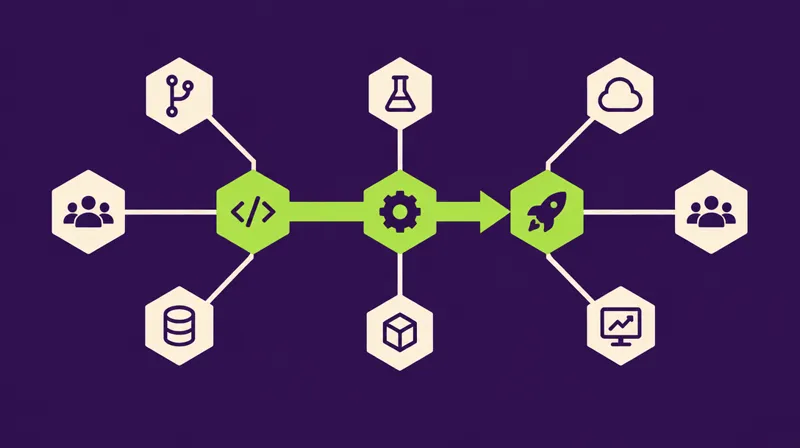
The same idea, framework-neutral, without a database product of its own. Worth knowing, because then two systems have to fit together and two contracts need review.
4) Infrastructure and runtime
Where third-party and self-written code actually runs — and how long a process may take.
Cloudflare Workers

Very short start times at the network edge. Ideal as a model proxy that shields keys and caps consumption. Data localization is possible but tied to enterprise terms.
→ Cloudflare Workers in the glossary
E2B
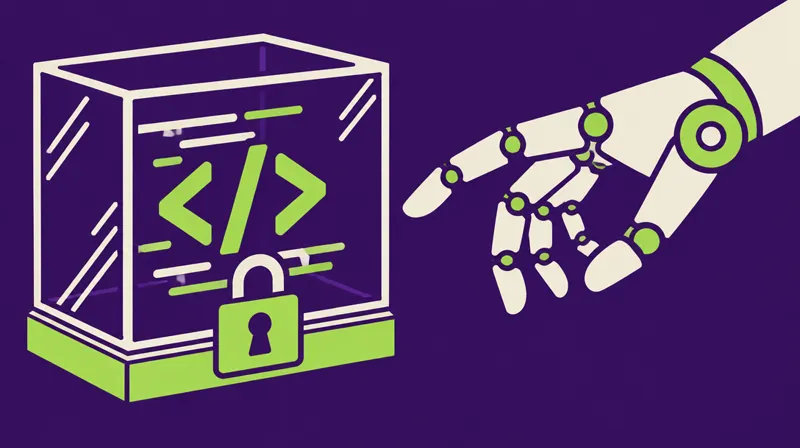
Isolated sandboxes for code the agent wrote itself. That is the condition for code execution to remain a proposal rather than access to your own environment.
Temporal
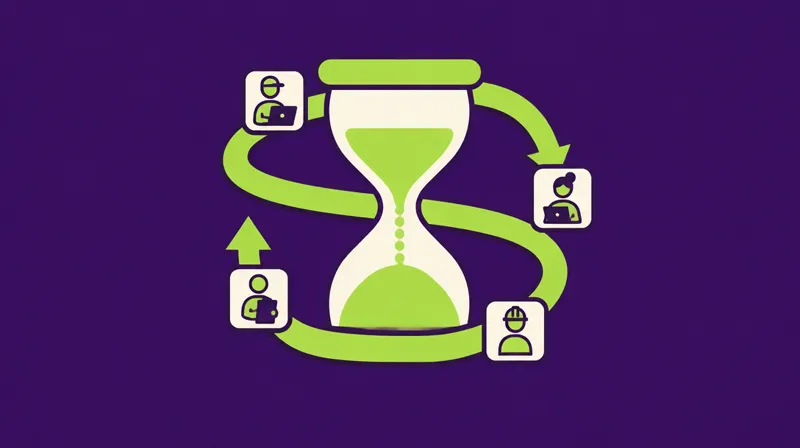
Durable execution, open source and broad across languages. Powerful when self-hosted and markedly more effort — a decision for teams with operational capacity.
This layer carries a pattern that has taken hold: a coordinating agent in a protected environment, executing agents in isolated machines — the Brain and Hands Pattern.
5) AI tools: agent frameworks and knowledge access
The tools that build the agent itself and supply it with evidence.
AI SDK
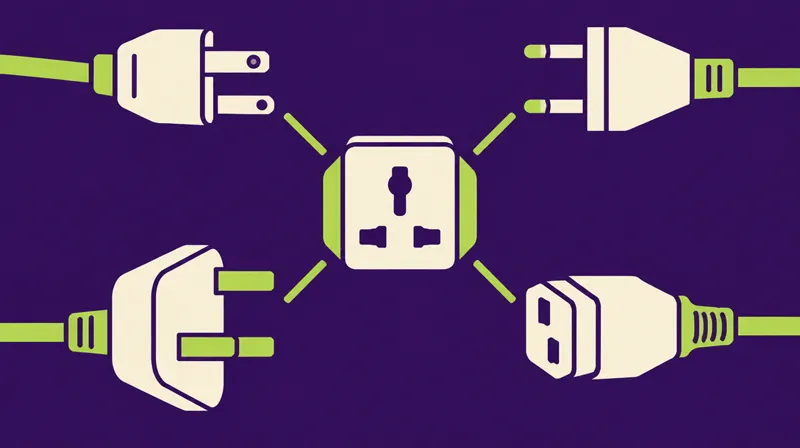
One interface across providers, with tool calls, structured outputs and agent loops. Switching models becomes configuration rather than a project — but it is a library, not a durable runtime.
Mastra
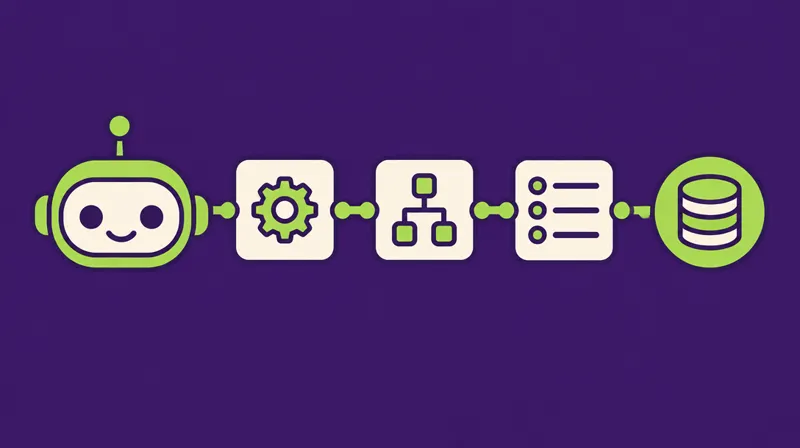
TypeScript framework bringing agents, typed workflows, memory and evaluations together. Young APIs, but no switch to Python.
Firecrawl
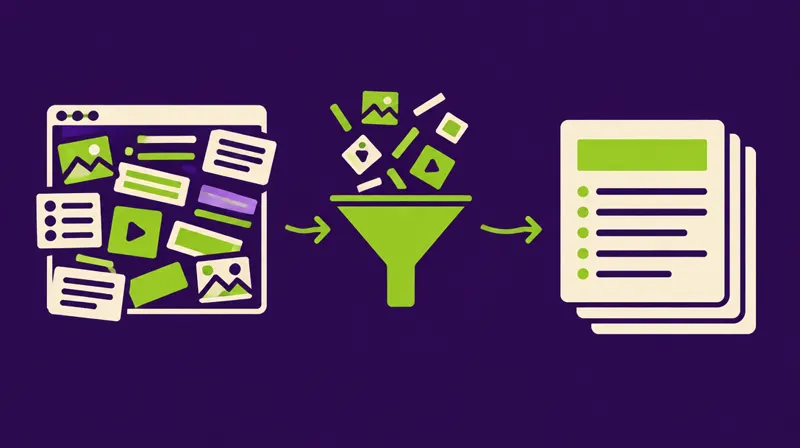
Pages, whole sites and documents as clean Markdown. The standard route to turning your own website into a knowledge base.
Exa
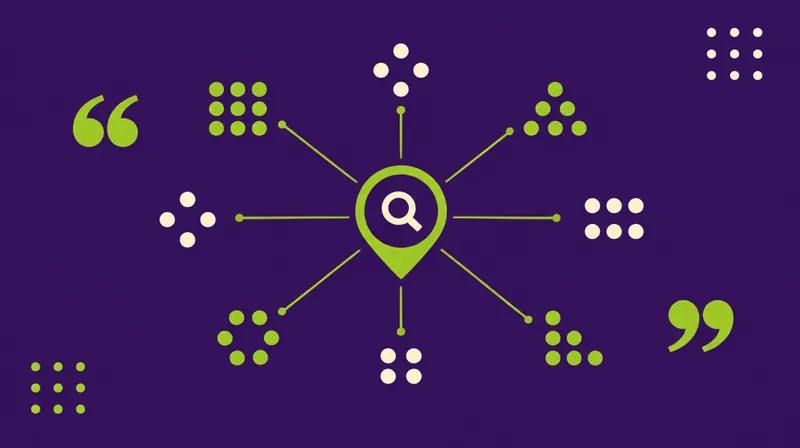
Search by meaning rather than keywords, with full text and category filters. It enables answers with citations instead of assertions — date and provenance still need checking.
Browserbase
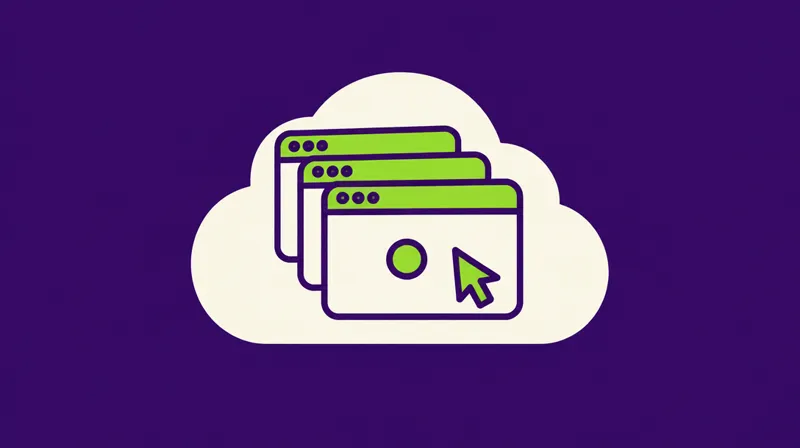
Cloud browsers for everything without an API: portals, ad accounts, booking systems. Recorded sessions make the procedure reviewable.
The same caveat applies to all three data tools: technical feasibility is not permission. Terms of service, copyright and credentials belong before implementation, not after.
6) DevOps: orchestration, observability and evaluation
The category most often missing and the one that saves money fastest.
Inngest
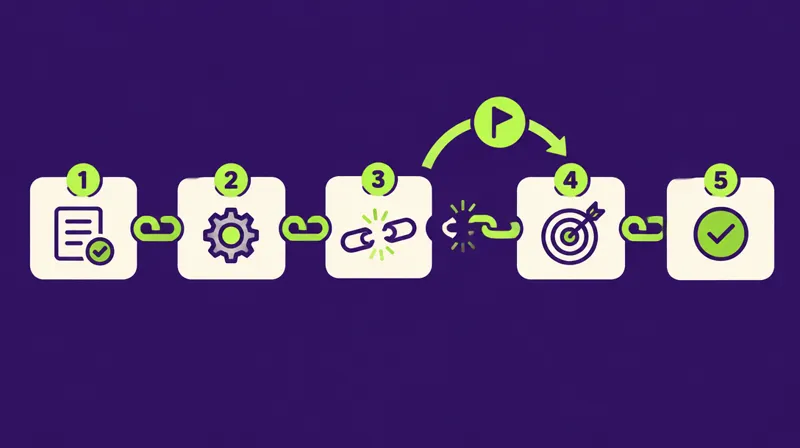
Durable execution in checkpointed steps. A run resumes at the last successful step after a failure and may wait hours for a human approval.
Langfuse
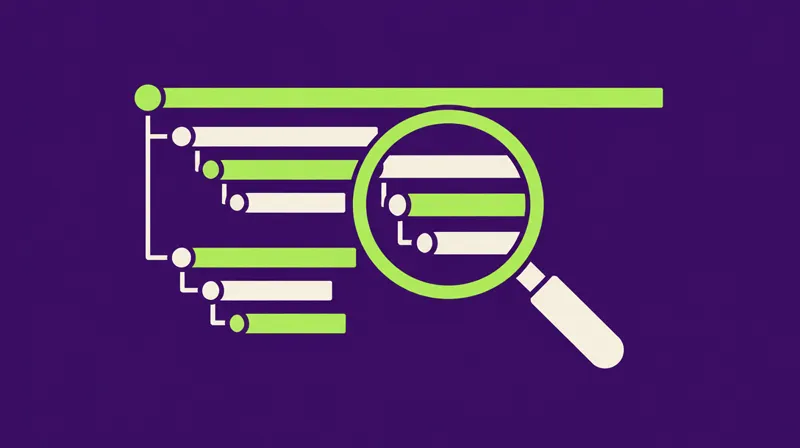
Open-source tracing, prompt management, test datasets and evaluations. Self-hostable and therefore EU-capable — relevant because traces contain conversation content. Self-hosting brings several databases with it.
LangSmith
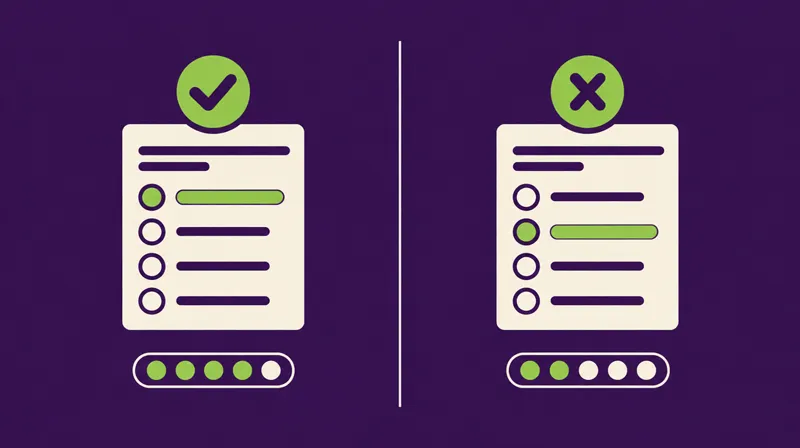
A commercial platform for the same purpose, strongest in the LangChain world, with alerts, comparison runs and human annotations.
Sentry

Error and performance monitoring that places agent runs next to database and HTTP calls from the same request. It answers the production question: model, tool or slow query?
PostHog
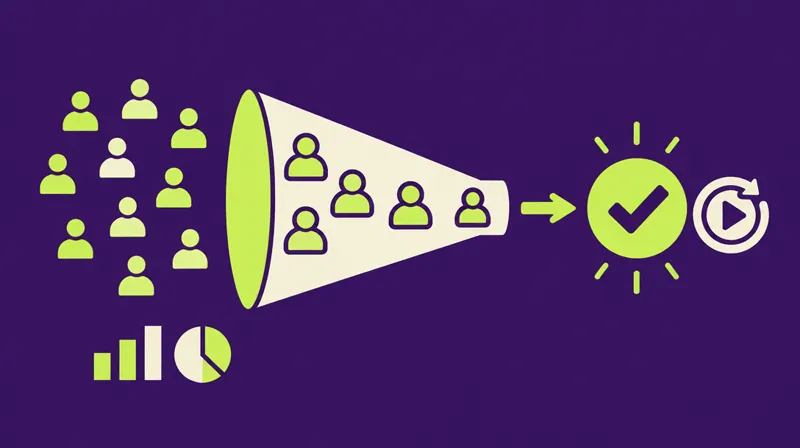
Links product behaviour with model calls. That lets you measure whether an AI feature not only runs but completes more tasks.
The distinction matters: execution monitoring tells you whether something broke. Evaluation tells you whether the result was usable. A run without errors can be substantively wrong.
7) Business processes and automation
The category where value becomes visible — or disappears.
Attio
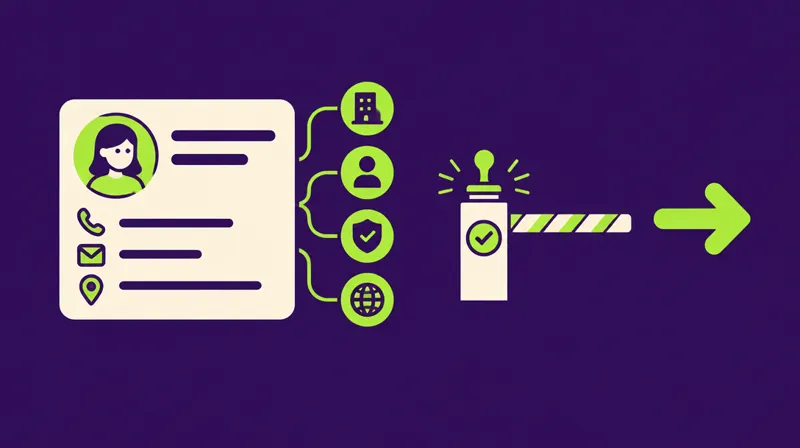
AI-native CRM with an official MCP server. Reads pass through, writes require confirmation — exactly the separation sales data needs. Customer data sits in the EU by default.
Resend

Email API for confirmations, notifications and newsletters. The sending region is selectable; account and log data sit in the US per the vendor — a point for your processing register.
n8n
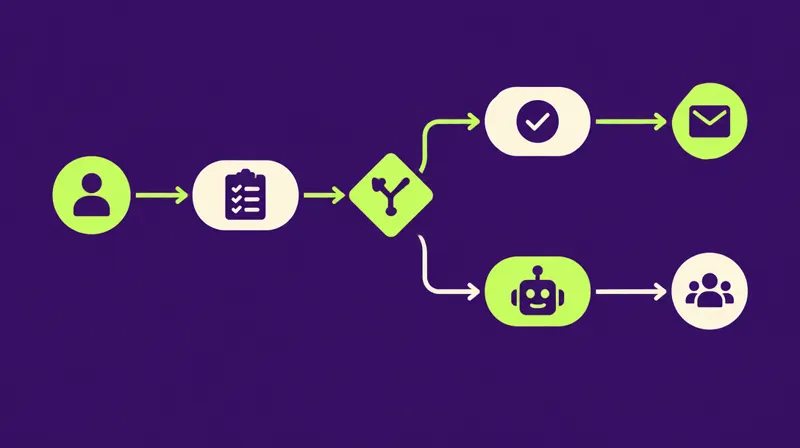
Visible workflows with AI nodes, self-hostable. Not open source in the classic sense, and when self-hosted the data protection responsibility sits entirely with the operator.
8) Four criteria for your own selection
A feature-by-feature comparison rarely produces a good decision. These four questions do:
- Data sovereignty. Where do content, logs and conversation data live — and is that the place we name to clients? Be careful with vendors treating processing region and metadata storage differently.
- Operational effort. What does running it cost when nobody has time? Open source and self-hostable is only cheaper if someone owns the upgrades.
- Lock-in. How expensive is leaving in eighteen months? An abstraction over models is cheap, one over platforms rarely is.
- Provability. Can we show what happened after a failure? Without traces, logs and approval steps, only the narrative remains.
9) What we use ourselves
Our own website and lead paths run on Postgres with row level security, edge functions for forms and chat, and separate mail delivery for confirmations and notifications. Newsletters run through double opt-in with a real unsubscribe link. Agents work here on tasks with a fixed scope and an approval step — not as permanently running automatons.
We only quote solid numbers on time saved from our own measurements. Third-party productivity multipliers — the widely cited 10x to 40x — are marketing material and not transferable to other organisations. Your own baseline is the only number against which progress can be demonstrated.
Conclusion
There is no correct stack, but there are five questions everyone must answer: where the data lives, what happens after an interruption, where third-party code runs, how we measure quality, and how the result reaches a business system. With those five answers you can swap tools without endangering the project. Without them you collect subscriptions.
Related reading: Agentic engineering instead of autocomplete, Vibe coding vs. software architecture and Malleable software in the enterprise.
Frequently Asked Questions
What is "The Agentic Stack 2026: 20 Tools That Carry Agentic Development" about?
Supabase, Vercel, Inngest, Langfuse, Attio and 15 more: the five layers of an agentic stack, what each tool does, where the limits are — and four criteria for your own selection.
Why the stack shifted: what matters?
Three developments changed the requirements. First, runs break. An agent calling twelve tools in sequence eventually fails at number nine — timeout, rate limit, invalid response.
Backend and data: what matters?
This is what an agent knows and remembers — and where the damage of a wrong move is decided.
Supabase: what matters?
<img src="/blog/tools/supabase.webp" alt="Database with a key and vector search, flat illustration" loading="lazy" width="800" height="450" / Postgres with auth, storage, functions and vector search via pgvector.
Related Articles
You might also be interested in these posts
 Tools & Technology
The Agentic Stack 2026, Part 2: 20 More Tools for Memory, Quality and Execution
Pinecone, Weaviate, Zep, LiteLLM, Braintrust, Composio and 14 more: the layers you only need once a prototype goes live — with limits, sources and four selection questions.
 Tools & Technology
Legacy Refactoring and Code Translation: What Agents Really Deliver
Python to Rust in days rather than months: how agentic porting works in practice, why factors of 10 to 40 are not transferable and which tests, benchmarks and ownership must be settled first.
 Tools & Technology
Grok Bot: xAI's AI Teammates With Their Own Computer
In beta since 11 August 2026: bots with their own cloud computer sign in to your tools and finish tasks. What that means for marketing, permissions and Grokipedia.