Marketing Automation 2025: The Complete Guide to Data-Driven Campaigns
From email workflows to multi-channel orchestration: Learn how modern marketing automation with AI revolutionizes your campaigns and maximizes ROI.
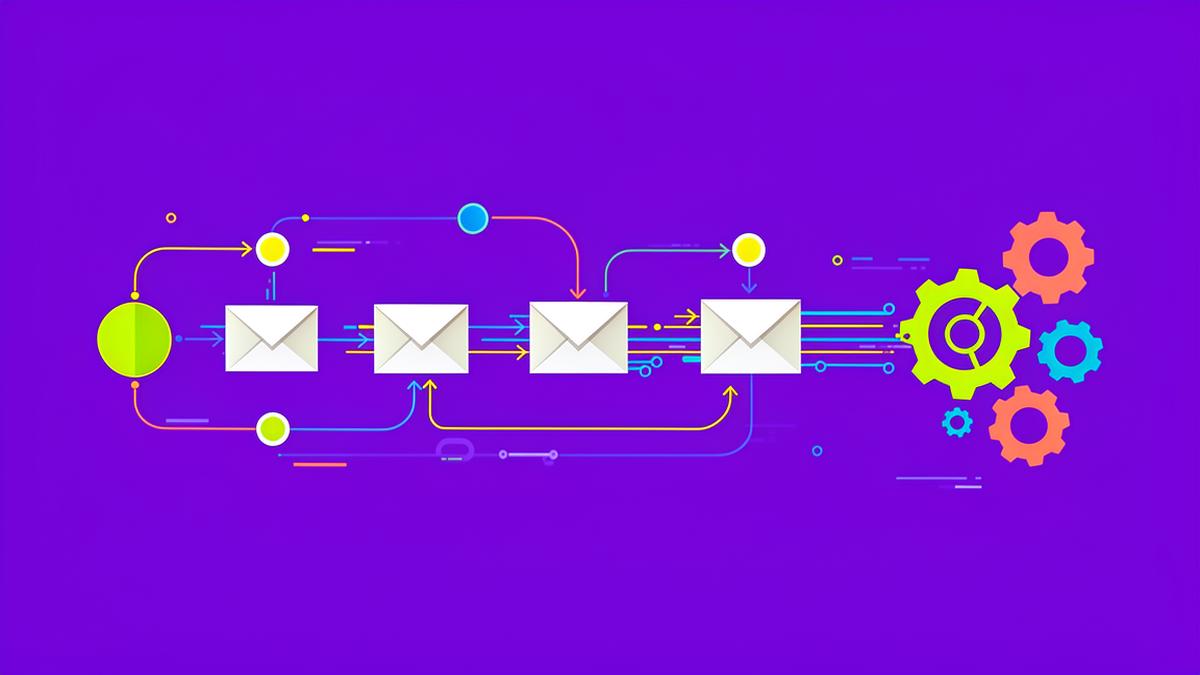
Marketing Automation: More Than Just Email Sequences
Marketing automation has evolved from simple email drip campaigns to an intelligent, data-driven orchestration platform. In 2025, marketing automation no longer means "fill out a form → receive email series," but intelligent management of the entire customer lifecycle.
The Evolution of Marketing Automation
Generation 1 (2010-2015): Email Automation
- Simple trigger-based emails
- Static drip campaigns
- Basic segmentation
Generation 2 (2015-2020): Multi-Channel Automation
- Integration of multiple channels
- Lead scoring models
- Dynamic content personalization
Generation 3 (2020-2023): Predictive Automation
- Machine learning for timing
- Predictive lead scoring
- Customer journey mapping
Generation 4 (2024+): AI-Native Automation
- Generative AI for content
- Real-time decisions
- Autonomous campaign optimization
- Hyper-personalization
Core Components of Modern Marketing Automation
1. Customer Data Platform (CDP) as Foundation
All automation starts with data:
Unify Data Sources:
- Website behavior (Pageviews, clicks, scroll depth)
- Email engagement (Opens, clicks, replies)
- CRM data (Deals, communication, history)
- Social media interactions
- Offline touchpoints (Events, calls)
- Third-party data (Intent data, Firmographics)
Unified Customer Profile:
- 360° view of every contact
- Real-time updates
- Dynamic segment membership
- Predictive scores integrated
2. Journey Orchestration Engine
From linear funnels to dynamic journeys:
Journey Types:
- Acquisition Journeys: From stranger to lead
- Nurture Journeys: From lead to MQL
- Sales Journeys: From MQL to customer
- Retention Journeys: From customer to advocate
- Win-Back Journeys: From churned to re-engaged
Journey Logic:
- Multi-branch decisions
- Wait-until conditions
- Exit criteria and re-entry rules
- Cross-journey coordination
Example: Intelligent Nurture Journey
Start: Lead downloaded Whitepaper
↓
[AI Score Check] → High Intent → Fast-Track to Sales
↓
Low/Medium Intent → Enter Nurture
↓
[Branch: Industry]
├── Tech → Tech-specific Case Study
├── Finance → Compliance-focused Content
└── Retail → Retail Success Stories
↓
[Engagement Check after 7 days]
├── Engaged → Deeper Content
├── Passive → Re-Engagement Attempt
└── Unengaged → Pause + Retry in 30 Days
↓
[Behavior Trigger]
├── Pricing Page Visit → Sales Alert + Personalized Offer
├── Demo Request → Immediate Sales Handoff
└── Content Engaged → Continue Nurture
3. AI-Powered Personalization
Customize every interaction individually:
Content Personalization:
- Dynamic email content based on profile
- Personalized product recommendations
- Individual offers and pricing
- Tonality adapted to preferences
Channel Personalization:
- Preferred channel detection
- Optimal timing per user
- Individual frequency cap
- Device-specific optimization
AI-Generated Content:
- Subject lines with highest open rate
- Personalized intros
- Dynamic CTAs based on stage
- Automatic A/B test winners
4. Predictive Analytics & Scoring
Translate data into actions:
Lead Scoring 2.0:
- Demographic scoring (Firmographics, job title)
- Behavioral scoring (Engagement, intent signals)
- Predictive scoring (AI-based conversion probability)
- Account-level scoring (ABM-ready)
Recognize Intent Signals:
- Research behavior on the website
- Content consumption patterns
- Third-party intent data
- Competitor comparison signals
- Timing indicators (Budget cycles)
Next-Best-Action Recommendations:
- Automatic recommendations for sales
- Optimal next content
- Best channel & timing
- Offer optimization
5. Multi-Channel Orchestration
Think and act across channels:
Supported Channels:
- Email (still #1)
- SMS/WhatsApp
- Push notifications
- In-app messaging
- Social media (Paid & Organic)
- Display retargeting
- Direct mail (Physical)
- Sales outreach (SDR Sequences)
Cross-Channel Coordination:
- Cross-channel frequency caps
- Sequential messaging across channels
- Fallback logic (Email → SMS → Call)
- Attribution tracking
Automation Use Cases by Funnel Stage
Top-of-Funnel (Awareness)
Use Case 1: Content Syndication Automation
- Automatically atomize blog post to social posts
- Paid promotion for top-performing content
- Automatically populate retargeting audiences
Use Case 2: Lead Magnet Delivery & Follow-Up
- Immediate asset delivery after download
- Personalized follow-up series
- Content upgrade offers based on interest
Use Case 3: Webinar/Event Automation
- Registration confirmation & reminders
- Live attendance tracking
- Post-event follow-up (Attendee vs. No-show)
- On-demand conversion campaign
Middle-of-Funnel (Consideration)
Use Case 4: Lead Nurturing Sequences
- Educational content series
- Progressive profiling (Collect data gradually)
- Engagement-based acceleration
- Sales-ready alerts
Use Case 5: Product Education Automation
- Feature-specific campaigns
- Use-case-based content
- Competitor comparison content
- ROI calculator promotion
Use Case 6: Re-Engagement Campaigns
- Reactivate inactive leads
- "We miss you" campaigns
- New content notifications
- Exclusive offer for returners
Bottom-of-Funnel (Decision)
Use Case 7: Demo Request Follow-Up
- Automatic meeting scheduling
- Pre-demo preparation content
- Post-demo follow-up
- Quote reminder sequence
Use Case 8: Trial Onboarding
- Day 1/3/7/14 onboarding emails
- Feature adoption tracking
- In-app guidance triggers
- Conversion offer before trial ends
Use Case 9: Sales Enablement Automation
- Automatic alerts for hot leads
- Content recommendations for sales calls
- Proposal follow-up sequences
- Contract reminder automation
Post-Purchase (Retention)
Use Case 10: Customer Onboarding
- Welcome series with quick wins
- Training content delivery
- First value moment tracking
- Health score monitoring
Use Case 11: Expansion & Upsell
- Usage-based upgrade prompts
- Feature teasers for higher tiers
- Customer success check-ins
- Renewal automation
Use Case 12: Advocacy Program
- NPS survey automation
- Review request sequences
- Referral program promotion
- Case study recruitment
The Tech Stack for Marketing Automation 2025
Core Platform Options:
| Platform | Strengths | Best For |
|---|---|---|
| HubSpot | All-in-one, Ease of use | SMB, First automation |
| Marketo | Enterprise features, ABM | Enterprise B2B |
| Salesforce Marketing Cloud | Integration, Personalization | Enterprise, Salesforce users |
| ActiveCampaign | Value, CRM integration | SMB, E-commerce |
| Braze | Mobile-first, Real-time | Apps, Consumer |
| Customer.io | Developer-friendly, Flexible | Product-led, Tech |
Supplementary Tools:
CDP Layer:
- Segment, mParticle, Rudderstack
AI/Personalization:
- Dynamic Yield, Mutiny, Clearbit
Intent Data:
- Bombora, 6sense, Demandbase
Enrichment:
- ZoomInfo, Apollo, Clearbit
Analytics:
- Mixpanel, Amplitude, Heap
KPIs & Success Measurement
Automation-specific KPIs:
Engagement Metrics:
- Email open rate (Benchmark: 20-25%)
- Click rate (Benchmark: 2-5%)
- Reply rate (for personalized sequences)
- Unsubscribe rate (<0.5%)
Journey Metrics:
- Journey completion rate
- Time in journey
- Exit point analysis
- Re-entry rate
Conversion Metrics:
- MQL conversion rate
- SQL conversion rate
- Influenced pipeline
- Marketing-sourced revenue
Efficiency Metrics:
- Cost per MQL
- Time to MQL
- Lead velocity rate
- Marketing automation ROI
Implementation Roadmap
Phase 1: Foundation (Month 1-2)
- Platform selection and setup
- Data integration (CRM, Website)
- Basic segmentation
- Template creation
Phase 2: Quick Wins (Month 2-3)
- Welcome email automation
- Lead magnet delivery
- Basic nurture sequence
- Sales alerts
Phase 3: Optimization (Month 3-4)
- Lead scoring implementation
- Start A/B testing
- Multi-branch journeys
- Reporting setup
Phase 4: Advanced (Month 4-6)
- Activate predictive features
- Multi-channel integration
- Advanced personalization
- Attribution tracking
Phase 5: Scale (Month 6+)
- Use AI features
- Cross-journey orchestration
- Advanced ABM plays
- Continuous optimization
Conclusion: Automation as Competitive Advantage
Marketing automation is no longer "nice-to-have," but critical infrastructure for scalable growth. The difference between good and excellent automation lies in intelligence: AI-native systems that learn, optimize, and personalize – in real-time.
The most successful companies in 2025 will no longer ask "Should we automate?" but "How do we automate smarter than the competition?"
Your next step: Conduct a marketing automation audit. Identify the biggest manual processes and the journeys with the highest automation potential.
Related Articles
You might also be interested in these posts
 Tools & Technology
Creative Automation 2026: Platforms, Tools & Workflows for Marketing Teams
Pillar guide to creative automation in 2026: definition, workflow, AI tool stack, 8-criteria vendor scorecard, and the platform landscape (Smartly, Celtra, Pencil, Storyteq, Bannerbear & co.).
 Tools & Technology
Adobe CX Enterprise Coworker: The Agentic Orchestration Layer Across the Experience Cloud
Adobe CX Enterprise Coworker (2026): agentic orchestration across the Experience Cloud. Compared to Agentforce, Breeze, plus 5 use cases.
 Tools & Technology
Claude Code in Marketing: CLI vs. MCP — and Why the Answer Is "Both"
Claude Code as CLI or via Model Context Protocol? When each tool wins, how marketing teams combine both — with decision matrix, 10 use cases, and realistic cost analysis.